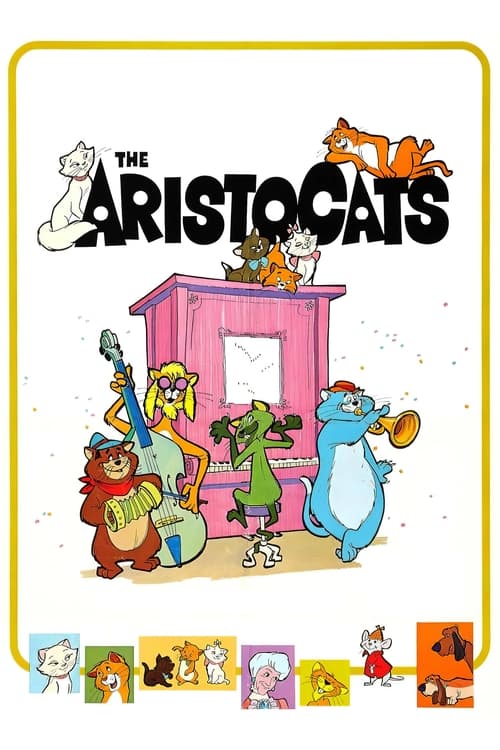
The Aristocats
1970
No user ratings available yet
Representation score: 0.8 out of 10
Representation Score
Minimal
1961
GDirector
Wolfgang Reitherman, Clyde Geronimi, Hamilton Luske
Runtime
79 minutes
Average Rating
No ratings yetNew Showbiz Analysis
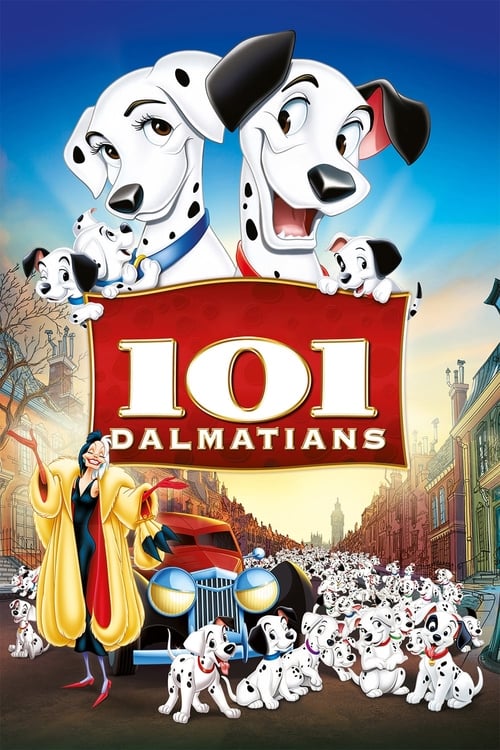
This classic animation upholds mid-century social norms and domestic ideals through its narrative structure. The story relies on clear moral contrasts, positioning the nuclear family as the ultimate symbol of safety and goodness. However, the film lacks intentionality in challenging conventional clichés and instead reinforces traditional values. By focusing on animal characters and a homogeneous human cast, the film avoids addressing complex identity issues.
Category Breakdown
The film does not depict any same-sex relationships or non-cisgender identities. It operates within a framework that assumes everyone is straight and cisgender.
The characters adhere to mid-century gender roles, with Anita representing domestic femininity and Roger embodying the provider role. Cruella De Vil stands out as a strong female character, but her vanity serves as a warning.
The human characters in the film are uniformly white, reflecting the mid-century London setting. The focus on animal characters avoids any discussion of human racial diversity.
The story emphasizes the stability of the traditional family unit against individual greed. While Cruella critiques excessive consumerism, the film upholds traditional social and moral values.
Neither physical nor mental disabilities are represented among the human or animal characters. Characters' roles are defined by their plot functions rather than by any disabilities.
Present on Screen
Limited or Absent
Official Synopsis
When a litter of dalmatian puppies are abducted by the minions of Cruella De Vil, the parents must find them before she uses them for a diabolical fashion statement.
1970
1972
1996

1997
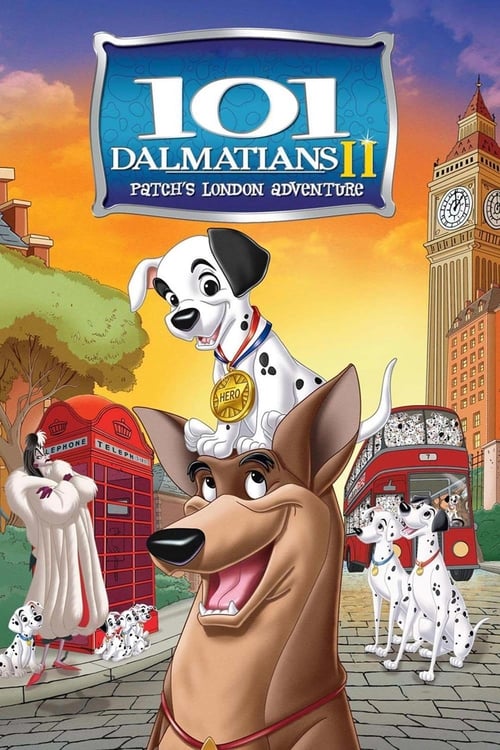
2003
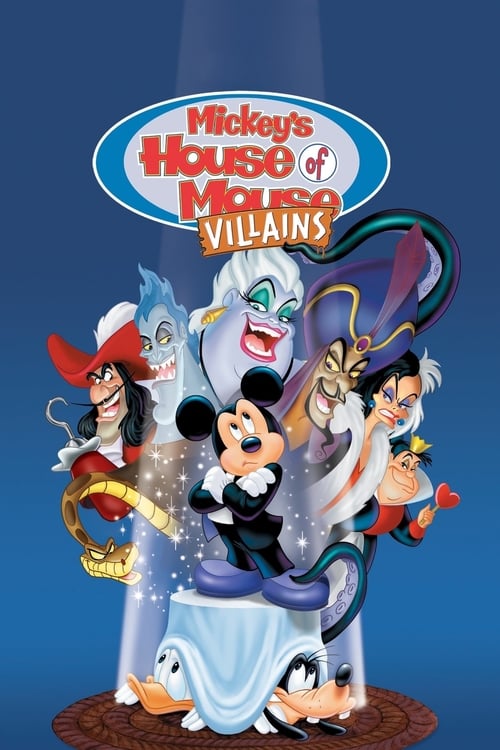
2002
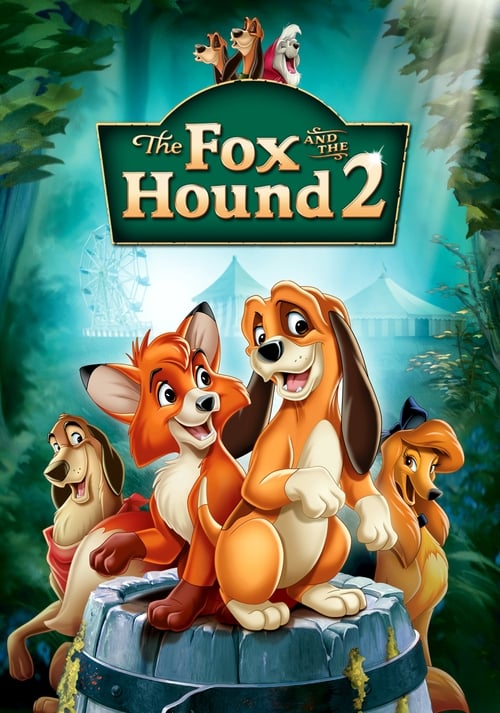
2006
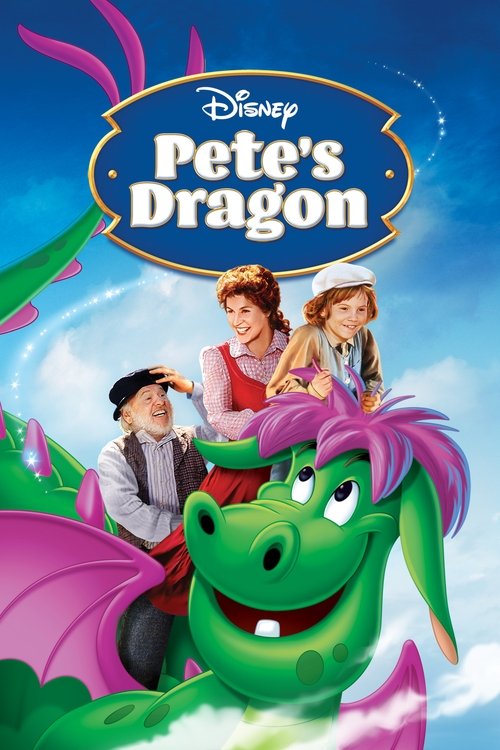
1977
No reviews yet. Be the first to share your thoughts on this movie!
Use the rating form above to leave a star rating and optional review.