The Karate Kid
2010
No user ratings available yet
Representation score: 3.8 out of 10
Representation Score
Minimal
1984
PGDirector
John G. Avildsen
Runtime
127 minutes
Average Rating
No ratings yetNew Showbiz Analysis
The film successfully challenges racial stereotypes by positioning Mr. Miyagi as the primary mentor, moving away from typical Hollywood conventions. This creates a nuanced ethnic backdrop through the interplay of the protagonist's Italian-American roots and Miyagi's Japanese heritage. However, the film remains rooted in traditional structures. The conflict is centered on masculine archetypes of aggression and defense, while the romantic elements adhere to conventional gender roles. Ultimately, the movie celebrates individual resilience and traditional discipline. It prioritizes a classic underdog story over a critique of systemic power or diverse social identities.
Category Breakdown
The film does not include any LGBTQ+ characters or scenarios involving non-straight relationships. The love story revolves around a traditional heterosexual relationship between Daniel and Ali.
The story focuses on male-driven competition and mentorship. While Ali Mills has a significant role as a romantic interest, she operates within a traditional gender framework.
Mr. Miyagi stands out as a key figure by serving as the moral authority in the film. This challenges typical stereotypes by placing an Asian immigrant in a position of wisdom.
The narrative follows a classic Western storyline emphasizing individual merit and discipline. Traditional values such as respect for elders and personal responsibility are highlighted.
There are no visible or invisible disabilities depicted among the main characters or in the central plot.
Present on Screen
Limited or Absent
Official Synopsis
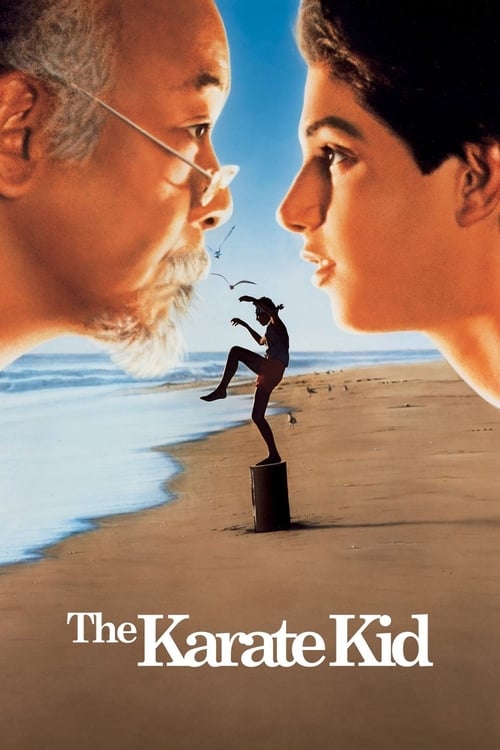
New Jersey teen Daniel LaRusso moves to Los Angeles with his mother, and soon strikes up a relationship with Ali. He quickly finds himself the target of bullying by a group of thugs, led by Ali's ex-boyfriend Johnny, who study karate at the Cobra Kai dojo under ruthless sensei John Kreese. Fortunately, Daniel befriends Mr. Miyagi, an unassuming repairman who just happens to be a martial arts master himself. Miyagi takes Daniel under his wing, training him in a more compassionate form of karate for self-defense and, later, preparing him to compete against the brutal Cobra Kai.
2010
1994
1989
1986
1986

1980

2008
1992
No reviews yet. Be the first to share your thoughts on this movie!
Use the rating form above to leave a star rating and optional review.