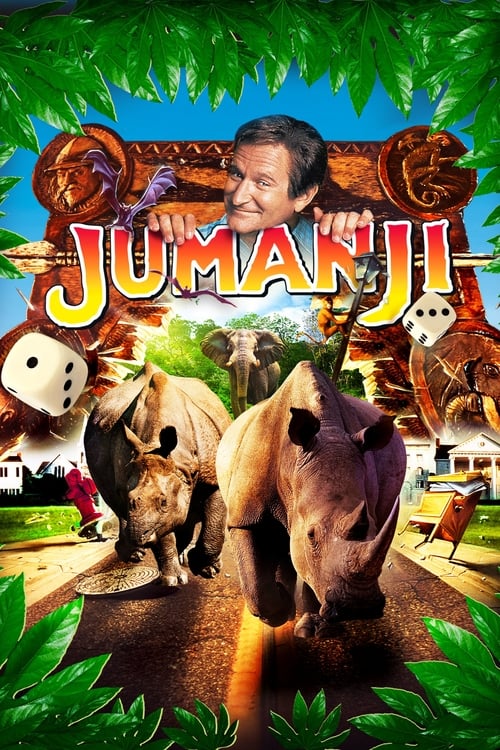
Jumanji
1995
No user ratings available yet
Representation score: 1.6 out of 10

Representation Score
Good
1985
PGDirector
Walter Murch
Runtime
109 minutes
Average Rating
No ratings yetNew Showbiz Analysis
Return to Oz is a surrealist departure from traditional fantasy, replacing moralistic hierarchies with a fractured, dystopian landscape. It avoids the sanitized clichés of the genre, opting for a postmodern exploration of systemic decay and survivalism. The film's strength lies in its challenge to traditional gender roles and authority structures. By centering women's ability to drive the story and complex, antagonistic female characters, it creates a more nuanced and volatile world compared to typical fairy tales. However, the film's reliance on non-human metaphors for social 'otherness' means it lacks meaningful human racial diversity and characters who reflect more than one aspect of diversity. While it critiques social conformity, the human cast remains largely homogenous.
Category Breakdown
The film does not include explicit representations of LGBTQ+ identities or same-sex relationships. The story centers on the protagonist's struggle in a harsh, non-human environment.
Women play a significant role in driving the story, challenging traditional gender hierarchies. Characters like Princess Mombi have complex, often antagonistic motivations that go against typical nurturing roles.
The film lacks a diverse human cast, focusing instead on non-human species as metaphors for social stratification. The absence of characters reflecting multiple aspects of diversity limits the score.
The narrative stands out by questioning Western moral absolutes and institutional stability. It presents a morally relative landscape where traditional social contracts no longer hold.
Characters like the Wheelers have visible physical differences and are used as tools for creating surreal tension. Their roles balance between having a significant role in driving the story and serving as symbolic devices.
Present on Screen
Limited or Absent
Official Synopsis
Dorothy, saved from a psychiatric experiment by a mysterious girl, finds herself back in the land of her dreams, and makes delightful new friends, and dangerous new enemies.
1995
1975
1995
1990

1986
1958
2013
2001
No reviews yet. Be the first to share your thoughts on this movie!
Use the rating form above to leave a star rating and optional review.