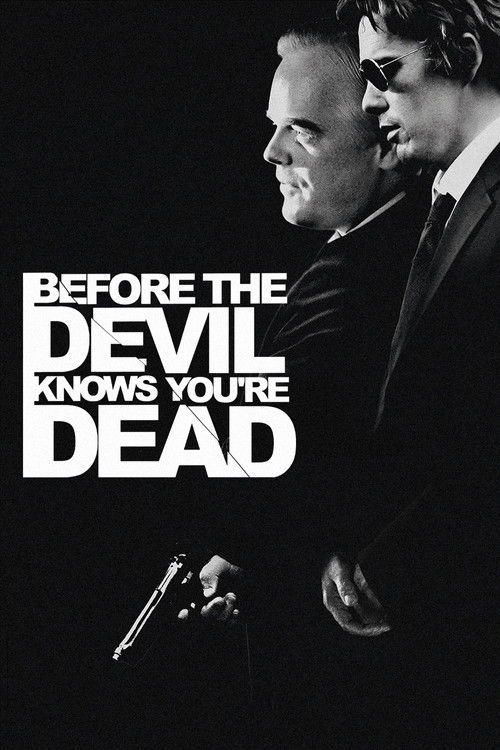
Before the Devil Knows You're Dead
2007
No user ratings available yet
Representation score: 1.4 out of 10
Representation Score
Good
1975
RDirector
Sidney Lumet
Runtime
124 minutes
Average Rating
No ratings yetNew Showbiz Analysis
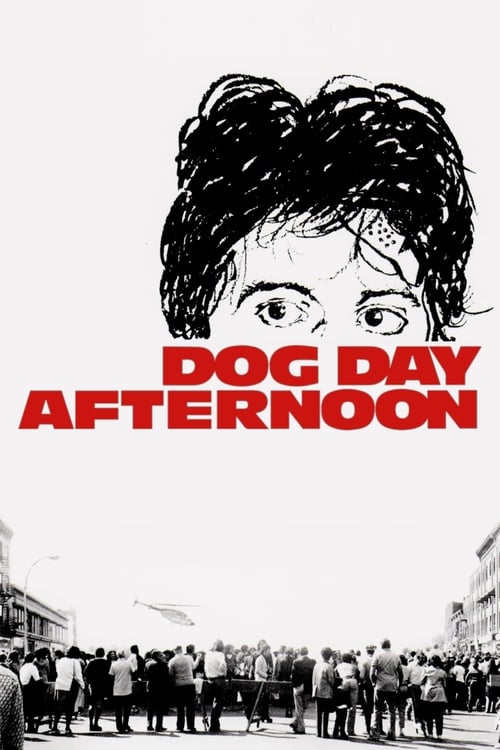
Dog Day Afternoon is a seminal crime drama that uses a high-stakes hostage situation to illuminate the struggles of a non-cisgender individual. By framing a bank robbery as a desperate response to systemic healthcare barriers, the film shifts from a standard procedural to a profound exploration of queer identity and necessity. Lumet’s direction facilitates a sophisticated moral relativism. The protagonist's actions are framed as a rebellion against an oppressive social order, effectively blurring the lines between criminal behavior and systemic victimhood. This approach successfully challenges the sanctity of Western institutions like the police and the media. While the film excels in its progressive handling of identity and institutional critique, it remains limited by its narrow socioeconomic focus. The setting is largely homogeneous, prioritizing class-based struggle over multi-layered racial dynamics.
Category Breakdown
The film centers on a non-cisgender identity, making queer necessity the primary driver of the plot. The emotional bond between Sonny and Leon challenges traditional domestic relationships and places a underrepresented identity at the heart of the story.
The narrative disrupts traditional masculine hierarchies by focusing on a man's vulnerability and devotion to a partner. It challenges the tough criminal stereotype through complex, non-traditional relational dynamics.
Set in a largely homogeneous working-class Brooklyn environment, the film focuses on class struggle. It does not actively prioritize racial or ethnic blending within its central cast.
The story offers a potent critique of capitalism and the legal system. It portrays the police and media as chaotic, deconstructing the perceived infallibility of state authority.
The film explores psychological distress and socioeconomic instability, but lacks central depictions of physical or neurodivergent disabilities that drive the narrative arc.
Present on Screen
Limited or Absent
Official Synopsis
Based on the true story of would-be Brooklyn bank robbers John Wojtowicz and Salvatore Naturile. Sonny and Sal attempt a bank heist which quickly turns sour and escalates into a hostage situation and stand-off with the police. As Sonny's motives for the robbery are slowly revealed and things become more complicated, the heist turns into a media circus.
2007
1973

2018
1973
2006
1974
2022
1985
No reviews yet. Be the first to share your thoughts on this movie!
Use the rating form above to leave a star rating and optional review.