
Scarecrow
1973
No user ratings available yet
Representation score: 6.0 out of 10
Representation Score
Excellent
1969
NC-17Director
John Schlesinger
Runtime
113 minutes
Average Rating
No ratings yetNew Showbiz Analysis
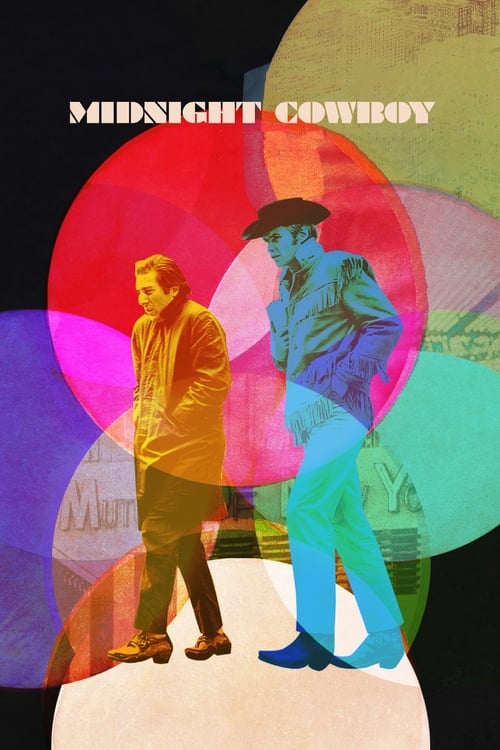
Midnight Cowboy offers a raw deconstruction of traditional American myths. By featuring underrepresented characters, the film challenges the rigid social and gender hierarchies of the late 1960s. The film excels in its sensitive portrayal of disability and its critique of institutional stability. It avoids stereotypes, focusing on the emotional bonds between its characters in a dehumanizing urban environment. However, the film remains confined to a narrow racial perspective. While it avoids the sanitized homogeneity of mainstream cinema, the absence of ethnic diversity reflects the localized scope of its narrative.
Category Breakdown
The film centers on intimate connections between men, Joe Buck and Ratso Rizzo, highlighting their emotional and physical vulnerabilities. It presents a nuanced view of male-to-male relationships, challenging traditional assumptions about male relationships.
The film portrays masculinity through the lens of vulnerability and economic struggle, presenting Joe Buck as a naive figure. It shows masculinity as fragile and commodified rather than inherently dominant.
The movie focuses on the socioeconomic hardships faced by its white characters within a specific New York underworld. It lacks a diverse cast, reflecting the limitations of its time period and local context.
The story critiques capitalism and the American Dream as exploitative systems. It emphasizes moral relativism, prioritizing empathy and survival over strict adherence to laws or religious doctrines.
Ratso Rizzo’s chronic illness is integral to his identity, not just a plot device. His condition is shown as a lived reality that shapes his character and humanity.
Present on Screen
Limited or Absent
Official Synopsis
Joe Buck is a wide-eyed hustler from Texas hoping to score big with wealthy New York City women; he finds a companion in Enrico "Ratso" Rizzo, an ailing swindler with a bum leg and a quixotic fantasy of escaping to Florida.
1973
1971
1991
1973

1970

1978
1971
1970
No reviews yet. Be the first to share your thoughts on this movie!
Use the rating form above to leave a star rating and optional review.