
Rocky II
1979
No user ratings available yet
Representation score: 2.0 out of 10
Representation Score
Limited
1982
PGDirector
Sylvester Stallone
Runtime
100 minutes
Average Rating
No ratings yetNew Showbiz Analysis
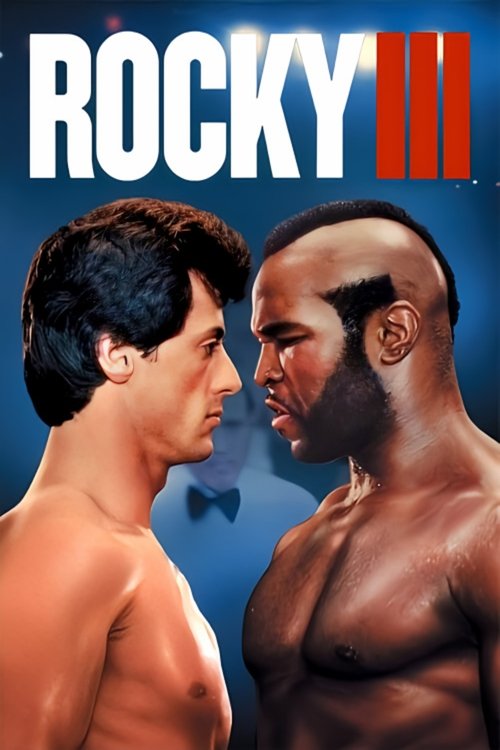
Rocky III serves as a transitional text that balances traditional social hierarchies with a sophisticated critique of fame. While it lacks LGBTQ+ inclusivity and features limited women's ability to drive the story, it moves beyond simple underdog clichés by examining the hollow nature of commercial success. The film's strength lies in its racial dynamics, specifically through the formidable presence of Clubber Lang. This character provides a actively leading challenge to the established boxing hierarchy, offering meaningful representation for the era. However, the film remains tethered to 1980s gender norms. Women are relegated to supportive roles, and the narrative focus remains centered on masculine combat and interpersonal male rivalries.
Category Breakdown
The film operates within a strictly straight-centered framework. There is no presence of non-cisgender identities or same-sex intimacy.
Adrian Balboa serves as an emotional anchor rather than an agentic character. The plot is driven almost exclusively by male combatants and their rivalries.
Clubber Lang and Apollo Creed provide a significant Black presence. Lang is afforded high ability to act and physical dominance, avoiding passive minority clichés.
The story critiques Western capitalism by exploring how celebrity wealth can erode a hero's purpose. It contrasts pure struggle against commercialized success.
There are no visible or invisible disabilities portrayed as central to the narrative or character control.
Present on Screen
Limited or Absent
Official Synopsis
Following Rocky Balboa's intense battle with his most powerful adversary yet – the ferocious Clubber Lang – Rocky joins forces with former rival Apollo Creed in an effort to get back his fighting spirit.
1979

1972
1985

1979

2006
1956
1990
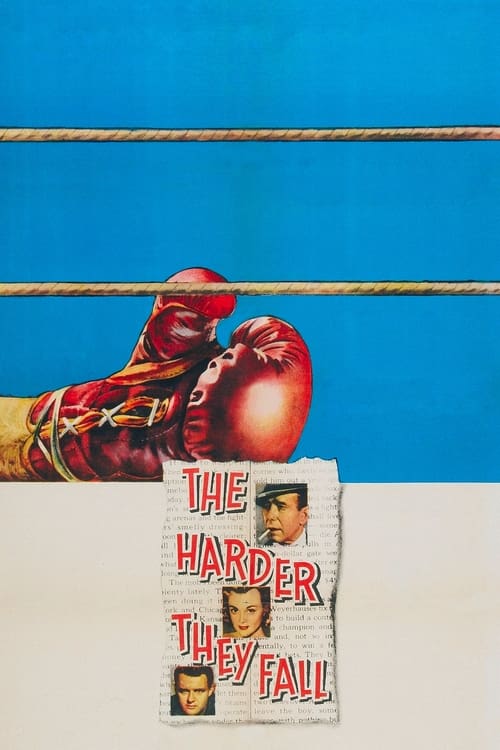
1956
No reviews yet. Be the first to share your thoughts on this movie!
Use the rating form above to leave a star rating and optional review.