Primal Fear
1996
No user ratings available yet
Representation score: 4.7 out of 10
Representation Score
Fair
1987
RDirector
Peter Yates
Runtime
121 minutes
Average Rating
No ratings yetNew Showbiz Analysis
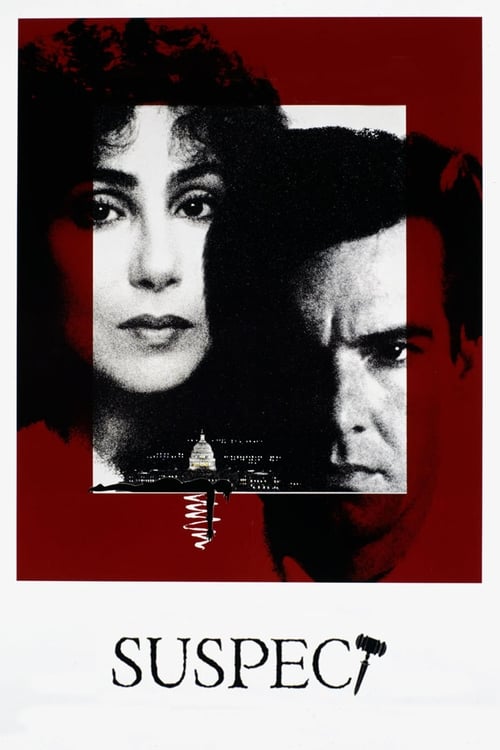
Suspect functions as a critique of institutional authority rather than a broad demographic study. Its primary strength lies in its portrayal of disability, using Carl Anderson's deafness to highlight systemic vulnerabilities and communication barriers within the legal system. While the film excels in its nuanced portrayal of a underrepresented individual, it remains limited by the social constraints of its era. The lack of racial and LGBTQ+ diversity results in a narrow social scope that feels somewhat dated. Ultimately, the film succeeds by shifting the focus from a standard whodunit to a study of how society perceives and misjudges those with physical differences.
Category Breakdown
The film does not include any LGBTQ+ characters or narratives that explore non-straight relationships. The interpersonal dynamics focus on heterosexual relationships without delving into queer identity.
Kathleen Riley plays a significant role in driving the story and challenges the legal hierarchy, showing women's ability to take control and act independently. She subverts traditional passive female roles.
The cast is predominantly made up of actors from similar backgrounds, reflecting the norms of 1980s crime dramas. The narrative focuses on a largely Anglo-Saxon social stratum with little diversity.
The story critiques the fallibility of Western institutions and questions the connection between formal law and actual morality. It presents truth as subjective, challenging the idea of objective justice.
Carl Anderson, a deaf and mute veteran, is central to the plot. The film explores how sensory disabilities intersect with perceived criminality and systemic exclusion.
Present on Screen
Limited or Absent
Official Synopsis
When a Supreme Court judge commits suicide and his secretary is found murdered, all fingers point to Carl Anderson, a homeless veteran who's deaf and mute. But when public defender Kathleen Riley is assigned to his case, she begins to believe that Anderson may actually be innocent. Juror Eddie Sanger, a Washington lobbyist, agrees, and together the pair begins their own investigation of events.
1996
1948
1989
1989
1994
1981
1999
1953
No reviews yet. Be the first to share your thoughts on this movie!
Use the rating form above to leave a star rating and optional review.