
The Two Jakes
1990
No user ratings available yet
Representation score: 2.6 out of 10
Representation Score
Limited
1974
RDirector
Roman Polanski
Runtime
130 minutes
Average Rating
No ratings yetNew Showbiz Analysis
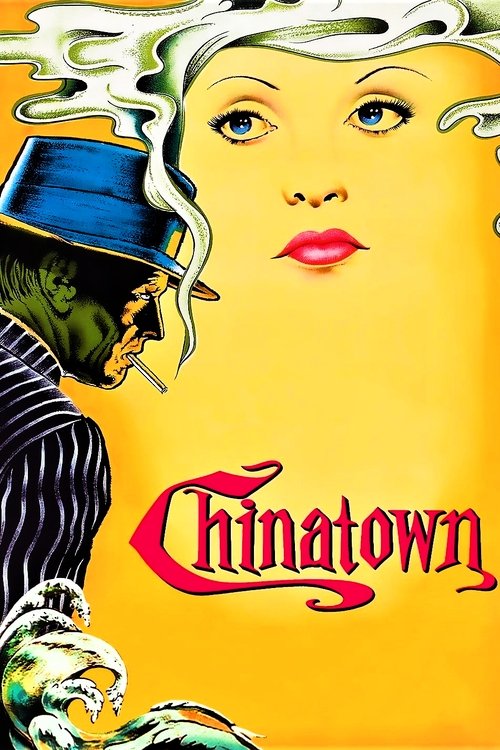
Chinatown is a complex study of systemic corruption that excels in thematic depth while falling short in demographic representation. The film's strength lies in its subversion of genre clichés and its critique of institutional power and resource monopolization. However, the period setting limits racial and LGBTQ+ diversity. The narrative reflects the social hierarchies and segregation of the 1930s, focusing almost exclusively on white, straight-centered power structures. Ultimately, the film presents a tension between its historical lack of representation and its progressive deconstruction of gendered archetypes and capitalist exploitation.
Category Breakdown
The film does not include any LGBTQ+ characters or narratives. The social landscape adheres to the strict heterosexual norms of the 1930s.
The film deconstructs the femme fatale archetype by showing Evelyn Mulwray as a victim of patriarchal violence. It highlights how male authority figures exert power over women.
The cast is predominantly white, reflecting the racial segregation of 1937 Los Angeles. The story focuses on the Anglo-Saxon elite without diverse casting.
The film critiques capitalism and municipal authority, framing the American Dream as a result of theft and exploring the breakdown of the traditional family unit.
There is no significant or meaningful depiction of physical or neurodivergent disabilities within the main character arcs.
Present on Screen
Limited or Absent
Official Synopsis
Private eye Jake Gittes lives off of the murky moral climate of sunbaked, pre-World War II Southern California. Hired by a beautiful socialite to investigate her husband's extra-marital affair, Gittes is swept into a maelstrom of double dealings and deadly deceits, uncovering a web of personal and political scandals that come crashing together.
1990
1975
1958
1947
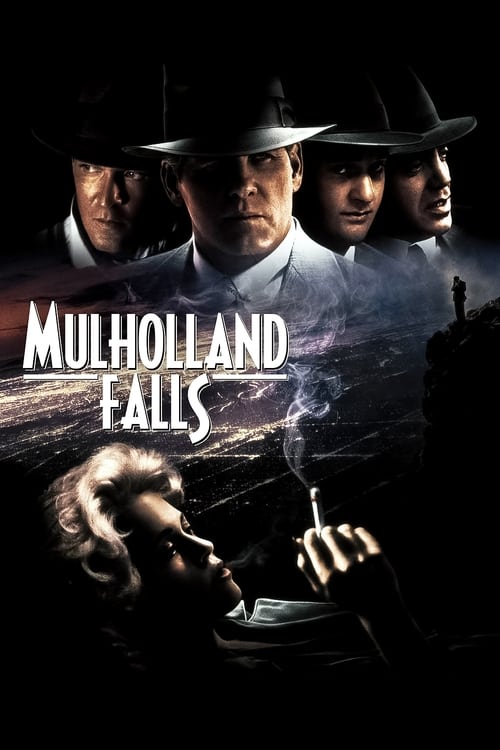
1996
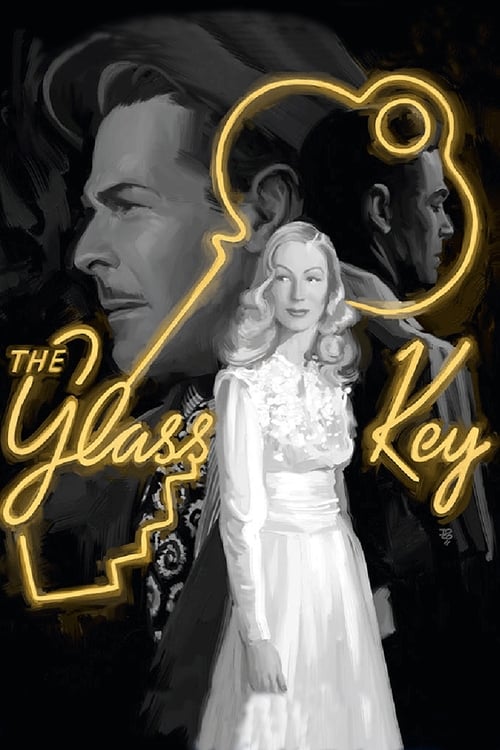
1942
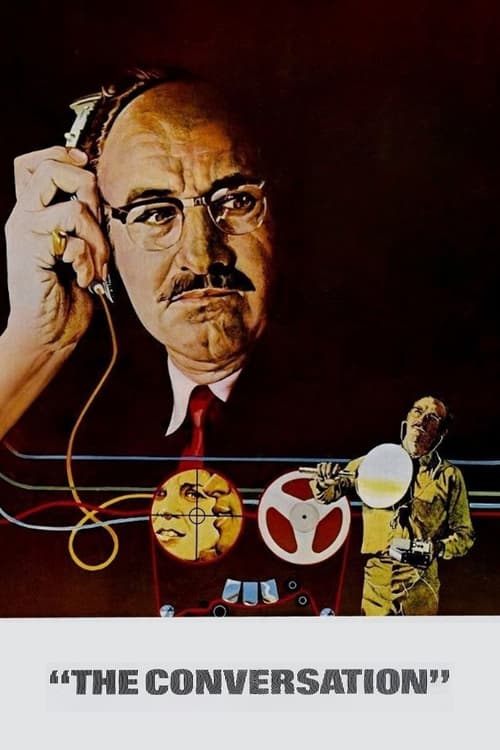
1974
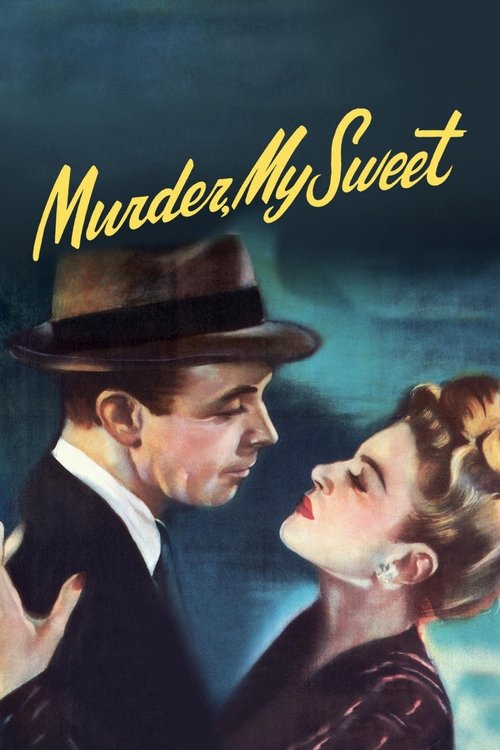
1944
No reviews yet. Be the first to share your thoughts on this movie!
Use the rating form above to leave a star rating and optional review.