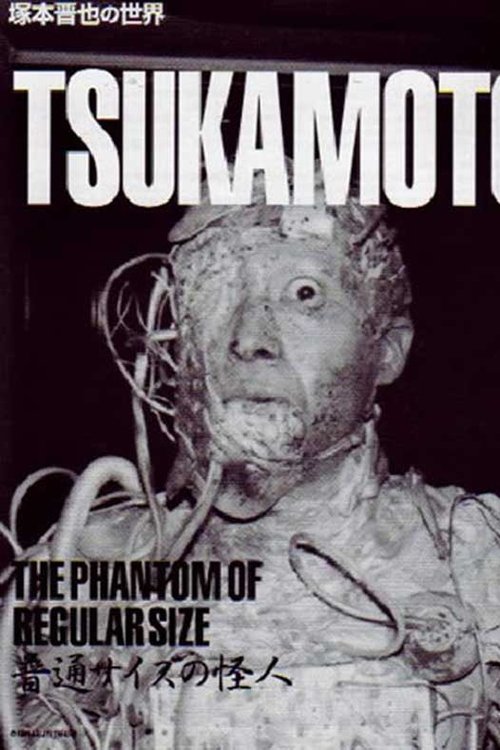
The Phantom of Regular Size
1986
No user ratings available yet
Representation score: 7.9 out of 10
Representation Score
Good
1989
NRDirector
Shinya Tsukamoto
Runtime
67 minutes
Average Rating
No ratings yetNew Showbiz Analysis
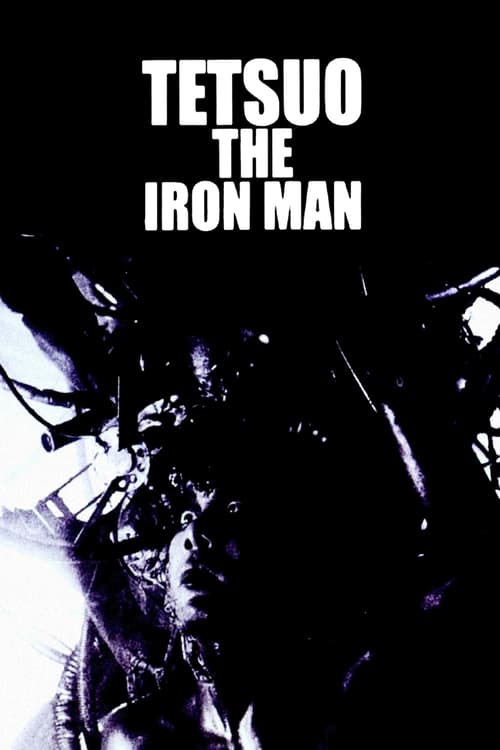
Tetsuo: The Iron Man is a visceral deconstruction of the human form that uses body horror to challenge biological and social boundaries. It excels in cultural critique, offering a powerful anti-capitalist perspective on rapid technological advancement and industrial decay. However, the film remains limited by a narrow demographic focus. The narrative is heavily male-centric, and the setting reflects a homogeneous Japanese urban environment without much racial or ethnic diversity. Ultimately, the film's strength lies in its postmodern approach to identity. It uses grotesque mutation to explore themes of fluidity and the breakdown of traditional norms, moving beyond conventional storytelling structures.
Category Breakdown
The film challenges traditional views of sexuality through intense, non-traditional physical intimacy. The hyper-stylized homoerotic tension and male-centric physical obsession suggest a fluid understanding of identity.
The narrative focuses on male transformation and struggle. Female characters are present but have less influence compared to the male characters' journey.
The film reflects a homogeneous urban environment typical of Japan. It establishes a unique cyberpunk identity by rejecting Western cinematic aesthetics.
The story critiques capitalism and dehumanizing technology. It portrays machines as parasitic forces that render traditional social structures irrelevant.
The film explores radical physical changes through the protagonist's journey. He navigates his altered reality with significant control, offering a complex look at post-human existence.
Present on Screen
Limited or Absent
Official Synopsis
A "metal fetishist", driven mad by the maggots wriggling in the wound he's made to embed metal into his flesh, runs out into the night and is accidentally run down by a Japanese businessman and his girlfriend. The pair dispose of the corpse in hopes of quietly moving on with their lives. However, the businessman soon finds that he is now plagued by a vicious curse that transforms his flesh into iron.
1986
1992
1995
1977
1982
1986
1977
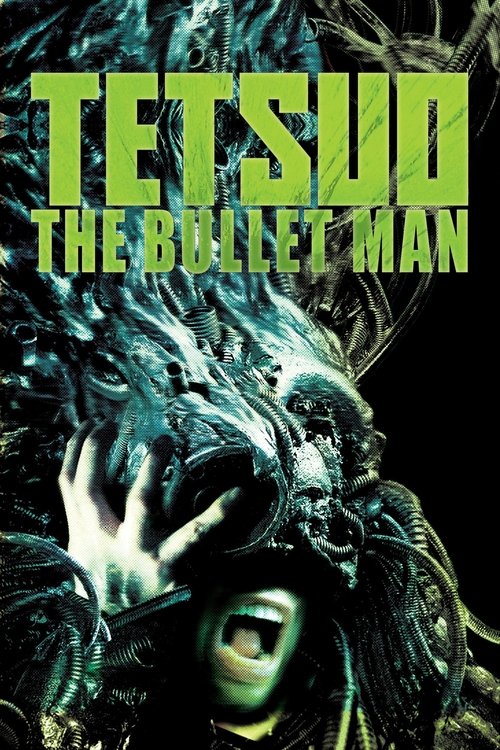
2010
No reviews yet. Be the first to share your thoughts on this movie!
Use the rating form above to leave a star rating and optional review.