Gone with the Wind
1939
No user ratings available yet
Representation score: 1.4 out of 10
Representation Score
Limited
1975
PGDirector
Stanley Kubrick
Runtime
188 minutes
Average Rating
No ratings yetNew Showbiz Analysis
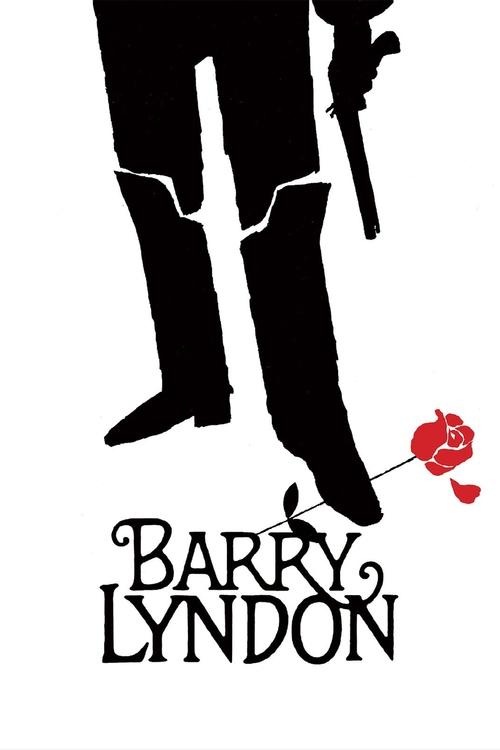
Barry Lyndon serves as a critical examination of 18th-century social hierarchy. It avoids glorifying the aristocracy and instead focuses on how rigid systems limit personal freedom and individual potential. The film's strength lies in its critique of class structures and its rejection of the 'Great Man' myth. It offers a modern, detached perspective on social mobility and the pursuit of wealth and status.
Category Breakdown
The film follows strict 18th-century norms and does not depict any non-binary gender identities or same-sex relationships.
Women in the film, such as Lady Lyndon, play important roles but have limited control over their lives due to the era's patriarchal society. Marriage is shown as a means for social advancement.
The film highlights ethnic tensions through the Irish identity of the main character. However, the cast is predominantly white, reflecting the social context of the time.
The story questions Western institutions, showing the aristocracy as superficial and empty. It favors moral relativism over traditional heroic stories.
There is no significant portrayal of physical or neurodivergent disabilities in the main storyline.
Present on Screen
Limited or Absent
Official Synopsis
An Irish rogue uses his cunning and wit to work his way up the social classes of 18th century England, transforming himself from the humble Redmond Barry into the noble Barry Lyndon.
1939

1956
1965
1934
1977

1970
2000

1989
No reviews yet. Be the first to share your thoughts on this movie!
Use the rating form above to leave a star rating and optional review.