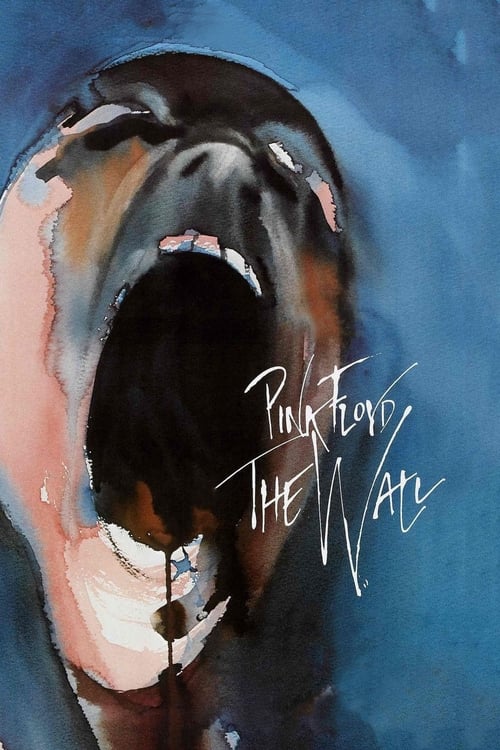
Pink Floyd: The Wall
1982
No user ratings available yet
Representation score: 4.2 out of 10
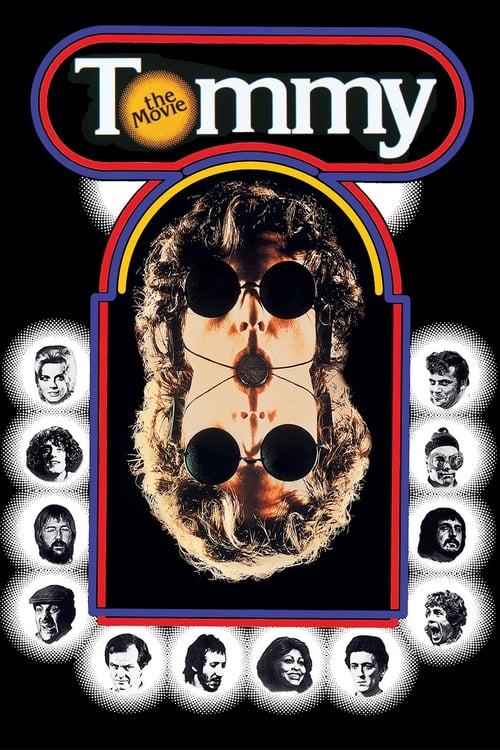
Representation Score
Excellent
1975
PGDirector
Ken Russell
Runtime
111 minutes
Average Rating
No ratings yetNew Showbiz Analysis
Ken Russell’s *Tommy* is a surreal critique of societal and spiritual institutions. It effectively destabilizes traditional hierarchies of gender and religion through camp aesthetics and powerful female characters. The film's deconstruction of the 'messiah' cliché provides a sophisticated look at how institutions exploit individual trauma. However, the film is limited by the casting conventions of its time. The lack of racial and ethnic diversity restricts its multi-layered depth, keeping the story rooted in a more homogeneous British setting. Overall, the film excels as a postmodern critique of capitalism and religious fanaticism, even though it falls short in representing diverse racial identities.
Category Breakdown
The film uses a highly stylized camp aesthetic that challenges traditional gender and sexual presentations. Although it doesn't have an explicit queer storyline, the theatrical performances disrupt typical gender roles.
Female characters like the Mother and the Acid Queen play key roles, driving the plot forward with significant influence. This challenges traditional gender hierarchies by showing male authority figures as ineffective or exploitative.
The cast is fairly uniform, reflecting the mid-century British context. There is a noticeable absence of meaningful racial or ethnic diversity among the main characters.
The film critically examines organized religion and the concept of the messiah. It highlights the exploitation of individuals through trauma and the dysfunction of traditional family structures.
The protagonist's deafness, muteness, and blindness are central to the story. The film avoids inspirational stories and instead focuses on his psychological isolation and eventual mastery of pinball.
Present on Screen
Limited or Absent
Official Synopsis
After a series of traumatic childhood events, a psychosomatically deaf, dumb and blind boy becomes a master pinball player and the object of a religious cult.
1982

2015

1972

1974
1982
1973

1999
1980
No reviews yet. Be the first to share your thoughts on this movie!
Use the rating form above to leave a star rating and optional review.