
Instinct
1999
No user ratings available yet
Representation score: 4.3 out of 10
Representation Score
Fair
1963
ApprovedDirector
Samuel Fuller
Runtime
102 minutes
Average Rating
No ratings yetNew Showbiz Analysis
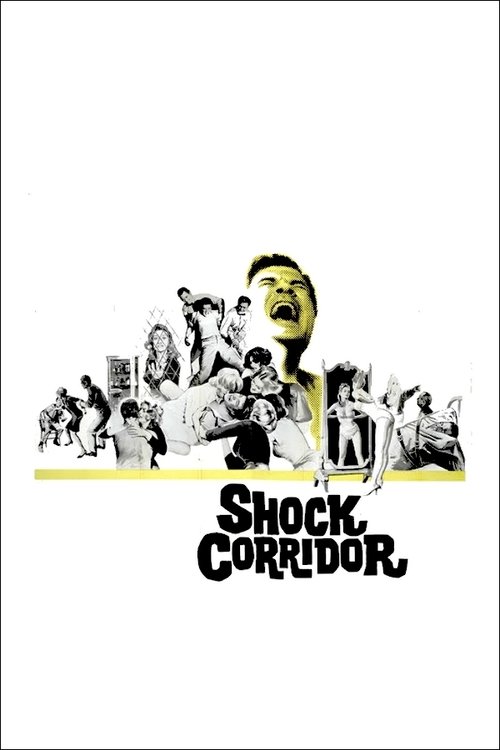
Samuel Fuller’s work serves as a gritty critique of mid-century social and systemic stability. The film succeeds by deconstructing the authority of Western institutions and the perceived boundaries of sanity. It explores the breakdown of the family unit and the medical establishment. However, the film lacks modern markers of diversity. It remains centered on traditional demographic norms, offering little in the way of LGBTQ+ representation or high-level racial diversity. The focus is primarily on the psychological desperation of a central, largely conventional cast.
Category Breakdown
The film centers on the tumultuous relationship between Johnny and his wife, ignoring any non-straight or non-cisgender identities. There is no representation of LGBTQ+ individuals or narratives.
Shelley Winters portrays a central, unstable driver of psychological tension rather than a submissive domestic figure. The film challenges traditional gender roles by presenting a dysfunctional marriage.
Dr. Fong provides a notable example of a non-Anglo-Saxon professional. However, the cast largely follows the demographic norms of the time.
The film critiques Western institutions, portraying the psychiatric system as corrupt and dehumanizing. It questions the American Dream and systemic stability.
The film presents a harrowing look at neurodivergence without mocking it. It uses the asylum setting to question the definition of sanity and normalcy.
Present on Screen
Limited or Absent
Official Synopsis
With the help of his girlfriend Cathy and Dr. Fong, a psychiatrist, ambitious journalist Johnny Barrett poses as a madman in order to be admitted to a mental institution where a bloody murder has been committed.
1999
1956
2019

1959

1948
1952

1975

1945
No reviews yet. Be the first to share your thoughts on this movie!
Use the rating form above to leave a star rating and optional review.