The King and I
1956
No user ratings available yet
Representation score: 2.0 out of 10
Representation Score
Limited
1965
GDirector
Robert Wise
Runtime
174 minutes
Average Rating
No ratings yetNew Showbiz Analysis
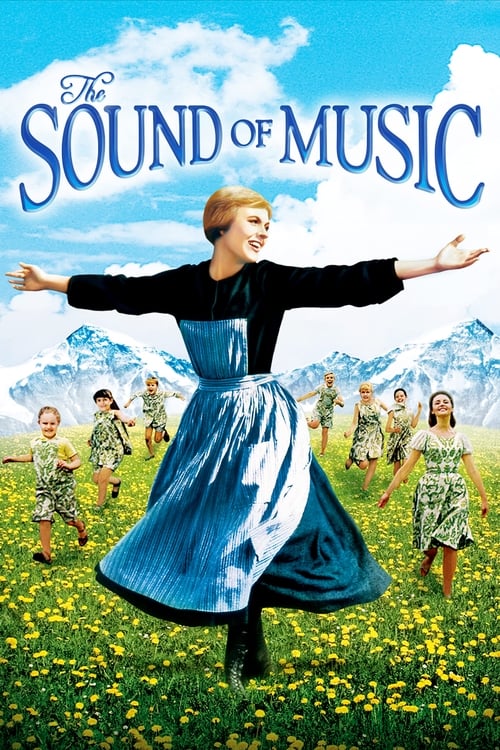
The film is a quintessential example of mid-century classical cinema. Its strength lies in its internal subversion of domestic authoritarianism rather than demographic breadth. Maria’s role challenges the rigid patriarchal structures established by the Captain. However, the work lacks multi-layered complexity and contemporary diversity markers. The narrative is geographically and racially homogeneous, adhering to the social conventions of its era and setting. Ultimately, the film's progressive value is found in its moral stance against fascist encroachment and its depiction of emotional restructuring within a traditional family unit.
Category Breakdown
The film operates within a framework that assumes everyone is straight or cisgender. There are no visible depictions of queer identities or subtext.
Maria subverts the submissive governess cliché through her spirited personality. Her presence disrupts the Captain's authoritarian hierarchy, moving the family toward a more collaborative emotional unit.
The cast is predominantly white and European, reflecting the demographic homogeneity of 1930s Salzburg. The narrative does not feature characters of color or explore diverse racial identities.
The story explores the tension between monastic devotion and worldly love. It critiques the Nazi regime as an oppressive force to defend family sanctity and national autonomy.
There are no prominent depictions of physical or neurodivergent disabilities. Characters are presented within the bounds of able-bodiedness without disability-related plot devices.
Present on Screen
Limited or Absent
Official Synopsis
In the years before World War II, a tomboyish postulant at an Austrian abbey is hired as a governess in the home of a widowed naval captain with seven children and brings a new love of life and music into the home.
1956
1944
1949

1954

1968
1958

1962
1939
No reviews yet. Be the first to share your thoughts on this movie!
Use the rating form above to leave a star rating and optional review.