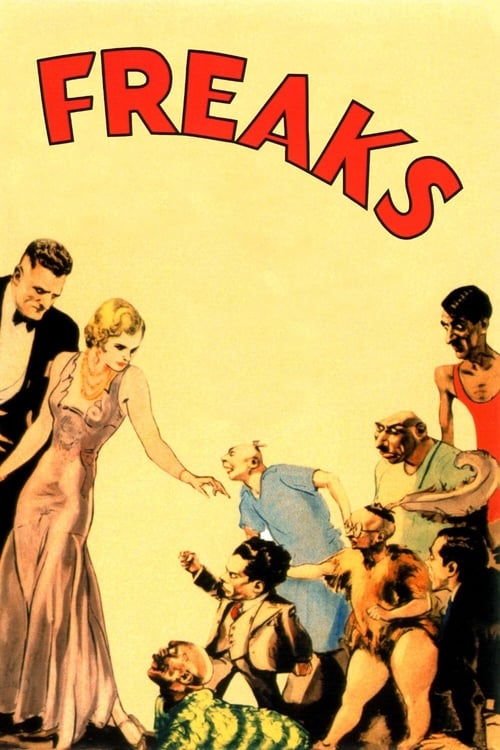
Freaks
1932
NRNo user ratings available yet
Representation score: 9.2 out of 10
These lists use approved disability representation scores for horror films that have written notes. Highest-scoring films are those whose notes describe more on-screen disability representation. Lowest-scoring films are those whose notes describe little or none. Neither list is a quality ranking.
By casting actual performers with physical disabilities, the film avoids using disability merely as a visual element. These characters play key roles in driving the story’s resolution.
The narrative centers on neurodivergence, presenting a social model of disability. The protagonist plays a significant role in driving the story, avoiding sentimental clichés and instead exploring systemic barriers.
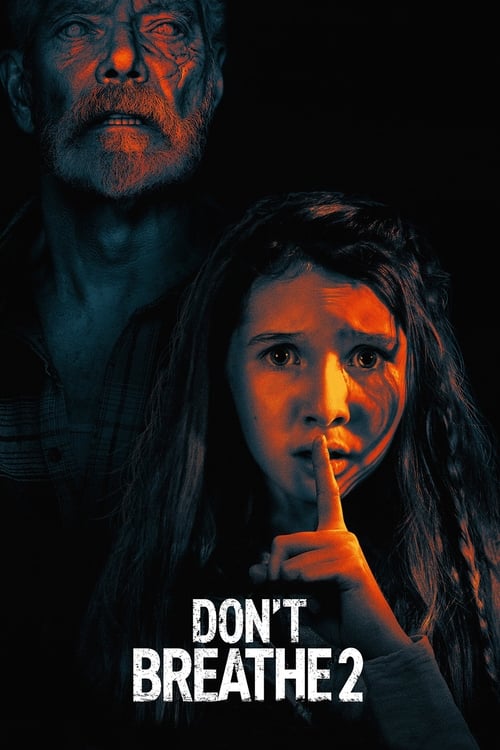
Regan’s deafness is integrated into the family's survival strategy, giving her a significant role in the story. The film avoids tragic clichés and focuses on the practical realities of her experience.
Regan Abbott’s deafness is portrayed as a tactical advantage in the film's survival mechanics. Her sensory experience is framed as an asset rather than a disadvantage.
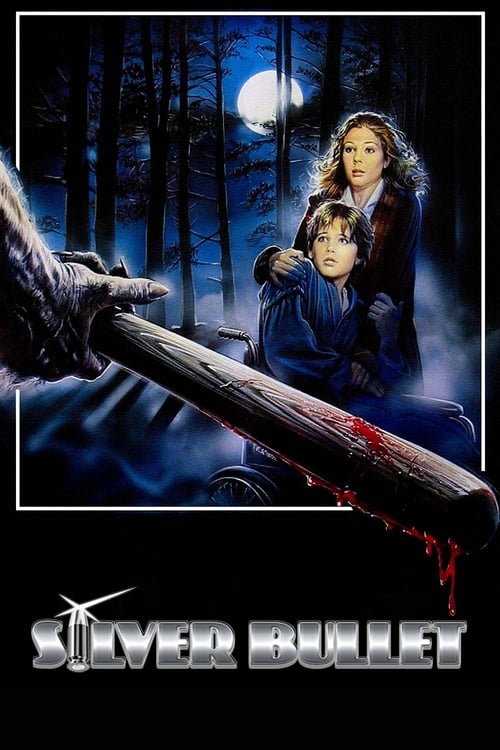
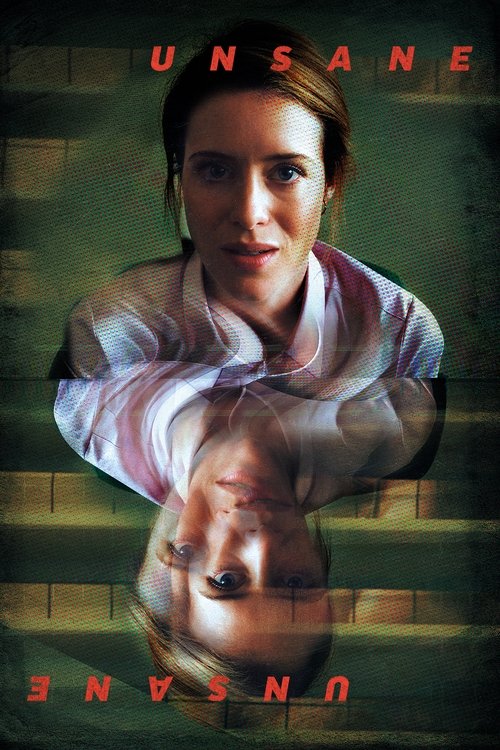
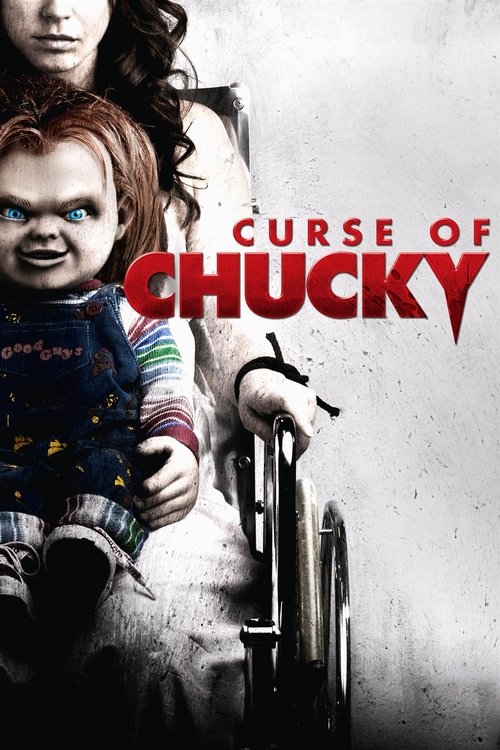
The film provides a nuanced portrayal of a wheelchair user, avoiding 'inspiration porn' clichés. It explores how physical vulnerability can be weaponized through medical gaslighting and systemic control.
Nica Pierce’s use of a wheelchair is part of her identity rather than a mere plot device. The film avoids using her disability for inspiration or pity, presenting it as a lived experience.
The film excels in depicting dementia through body horror, making the grandmother's decline a central, transformative force rather than a mere plot device.
The film looks at how neurodivergence and mental health issues were used to strip individuals of their rights. It highlights the loss of control and violations of bodily autonomy.
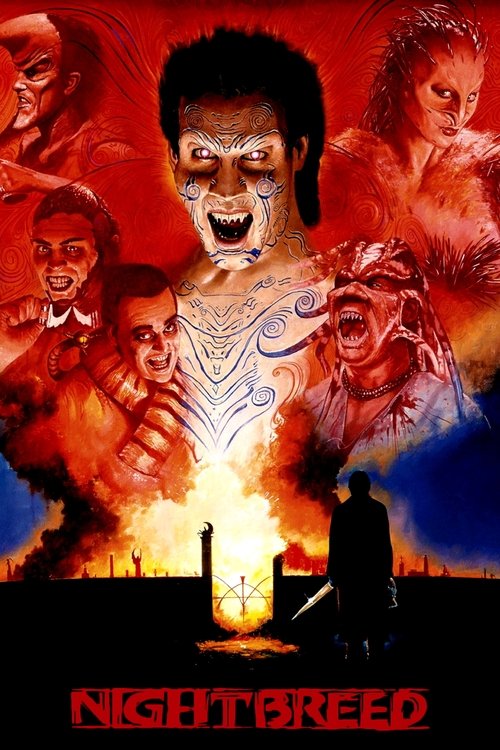
Physical differences are treated as a source of identity rather than mockery. The monstrous bodies in the film possess ability to act and autonomy, challenging common stereotypes about physical variations.
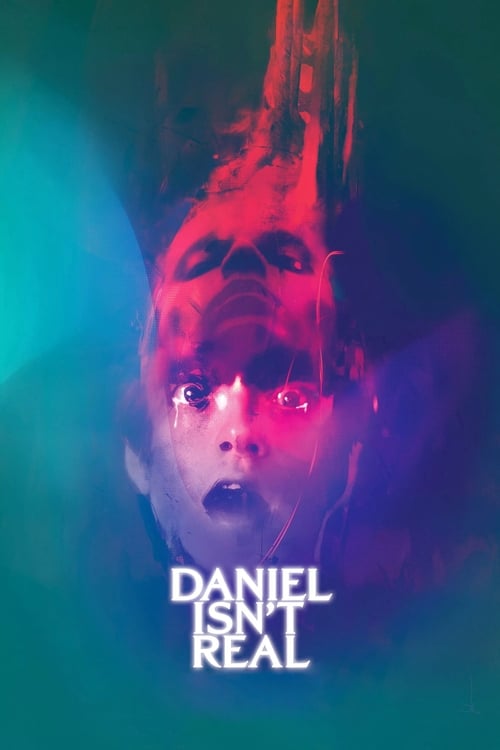
The film places neurodivergence and mental health at the core of the experience. The protagonist maintains high ability to act despite his fractured perception, avoiding the cliché of the passive mentally ill character.
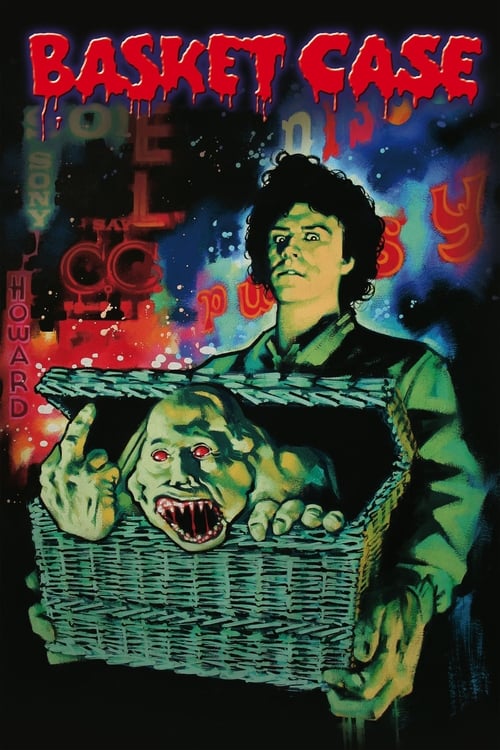
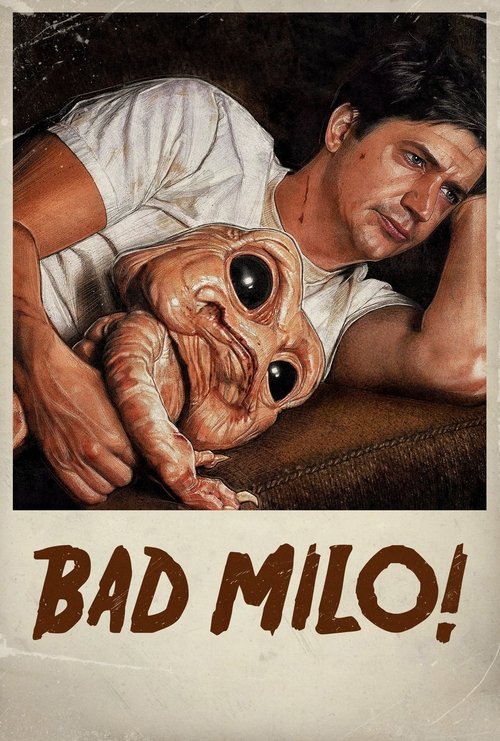
Belial is a sentient, independent character rather than a passive object of pity. The film centers the reality of living with profound physical differences.
Neurodivergence and serious mental health issues drive the plot. The film handles mental illness with depth rather than using it as a simple scare tactic.
The 'Hungry' serve as a metaphor for neurodivergence. Melanie’s hybrid consciousness is presented as a specialized form of ability to act rather than a condition to be pitied.
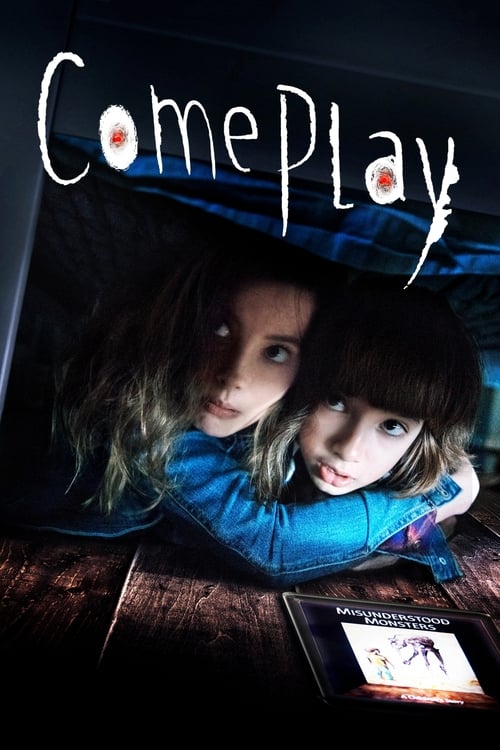
The film focuses on an autistic boy whose neurodivergence is central to the story. It explores his unique perspective and the communication challenges faced by his family.
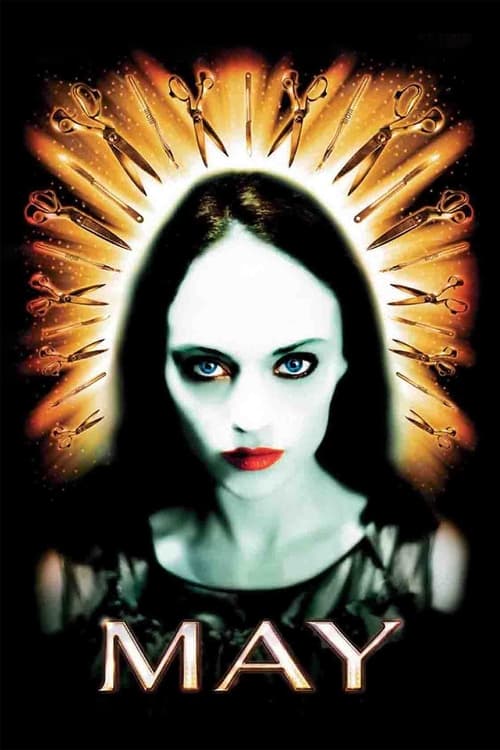
The film offers a nuanced portrayal of neurodivergence and physical difference. The protagonist's lazy eye and social awkwardness are integrated into her complex psychological profile rather than used as caricatures.
Marty’s paraplegia is portrayed with ability to act and nuance, avoiding pity or inspiration porn. His disability provides unique insights, challenging horror clichés by positioning him as an empowered outsider.
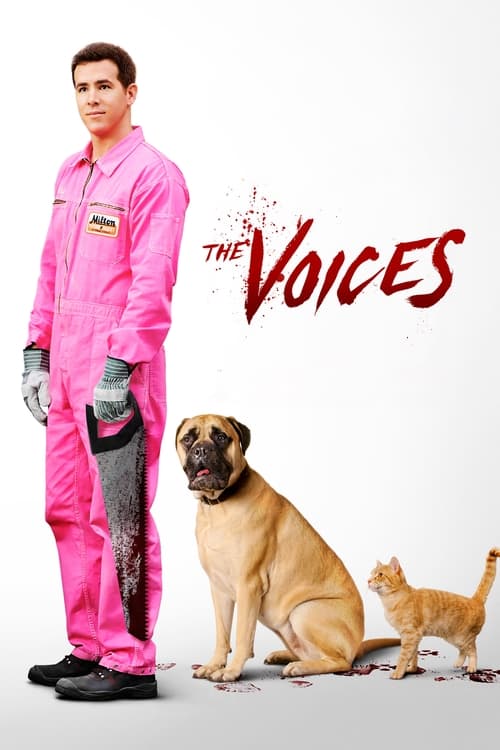
The protagonist's schizophrenia is central to the plot, offering a nuanced look at neurodivergence. The film treats her condition as a fundamental part of her identity rather than a plot device.
The story presents a detailed look at neurodivergence and mental health issues. It gives the protagonist a significant role in her struggle to define reality despite a clinical diagnosis.
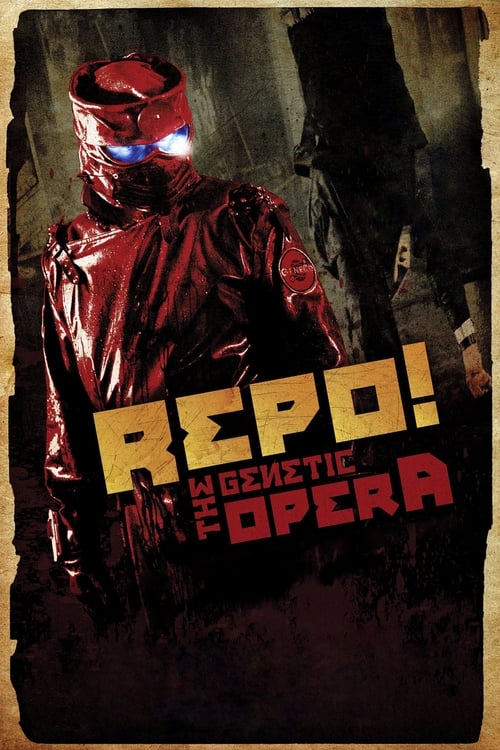
Physical vulnerability and organ failure serve as the central tension of the human condition. The film explores bodily autonomy and the systemic exploitation of those with physical deficits.
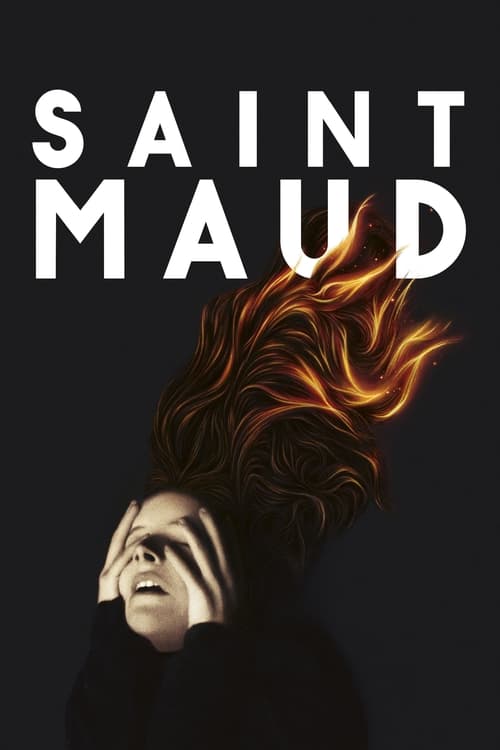
The film explores both Amanda’s visible chronic illness and Maud’s invisible psychological struggles. It avoids 'inspiration porn' by treating mental states as complex, lived experiences.
Characters with limb loss and dissociative identity disorder play key roles in the story. The film avoids pity by integrating their disabilities into their core identities.
The story offers a complex and nuanced portrayal of neurodivergence. It centers the protagonist's internal reality, giving him psychological control rather than using his condition as a simple plot device.
The deaf-mute protagonist's sensory experience is integrated into her survival. Her disability informs how she navigates her environment to gain control over her situation.
The film uses body horror to symbolize neurodivergence and chronic illness. The protagonist's fight for autonomy highlights the isolation caused by these conditions.
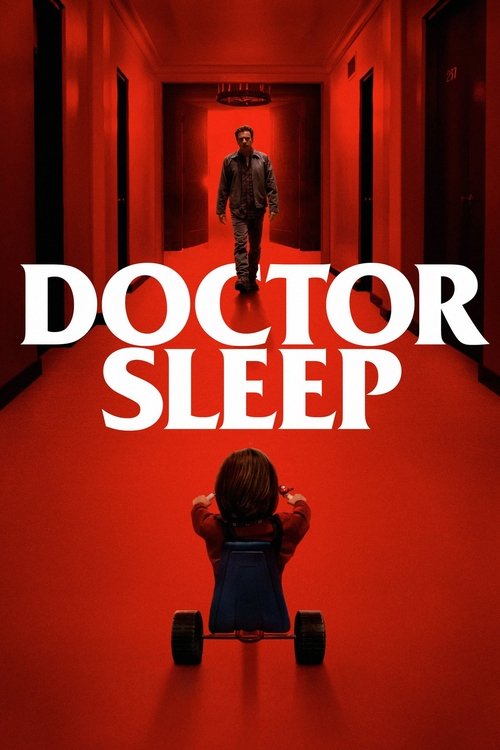
Dan Torrance’s battle with alcoholism and PTSD is treated with psychological nuance. The 'shine' also serves as a potential metaphor for neurodivergent ways of perceiving reality.
The film offers a detailed depiction of invisible disabilities such as PTSD and neurodivergence. Jessie's hallucinations illustrate how mental health issues affect perception and behavior without relying on inspirational stories.
The film depicts PTSD and hallucinations in a realistic manner, avoiding inspirational clichés. Instead, it portrays mental illness as a complex, destabilizing condition.
An autistic brother is a central figure in the survival stakes, suggesting a move toward more nuanced neurodivergent representation in genre cinema.
The narrative centers on the social isolation and 'otherness' experienced by a protagonist with physical limitations. It avoids using disability as a mere plot device or inspiration porn.
The character Fool is depicted with neurodivergent traits. Instead of using him for inspiration, the film integrates his cognitive perspective into the central survival narrative.
The film provides a detailed look at invisible disabilities through the lens of mental health and grief. It avoids clichéd portrayals, showing psychological management as a challenging, ongoing process.
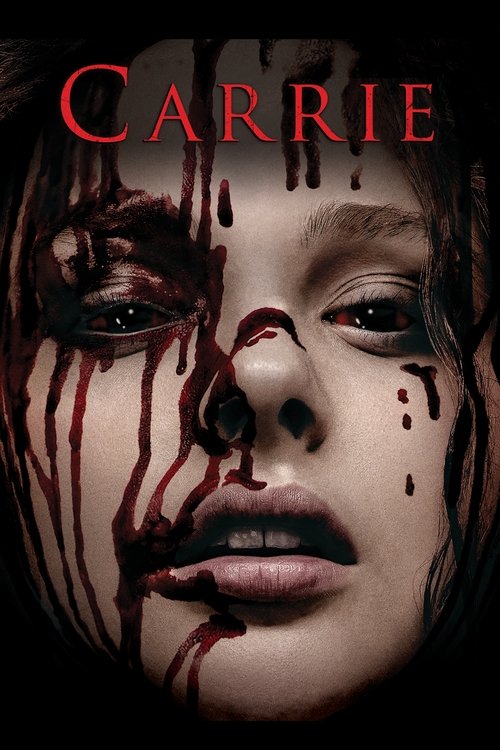
The film explores Carrie's social isolation and her telekinetic powers, which highlight psychological vulnerability and neurodivergence. However, these traits mainly serve as catalysts for the violent climax.
The film centers a protagonist with significant visual impairment. His ability to adapt to his disability and use heightened sensory intelligence drives the narrative.
Nica is shown as a capable central figure whose wheelchair is part of her everyday life. Her physical condition is integrated into her actions and survival strategies.
The film addresses themes of physical and psychological trauma, including self-harm, by focusing on the harsh realities of the characters' psychological states without resorting to inspirational narratives.
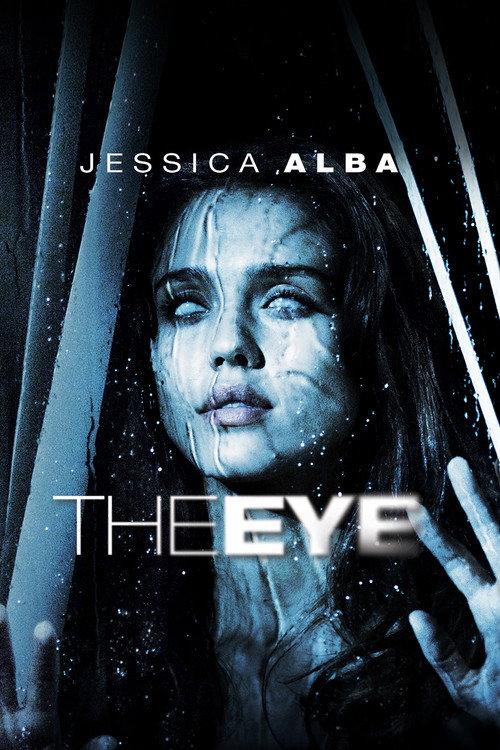
The film offers a detailed look at visual impairment and its psychological impact. It gives the protagonist a significant role, though supernatural elements sometimes overshadow the realistic portrayal of disability.
Addiction and grief are shown as complex ways to cope with trauma, rather than moral failures. This nuanced portrayal of mental health is integral to the film's storyline.
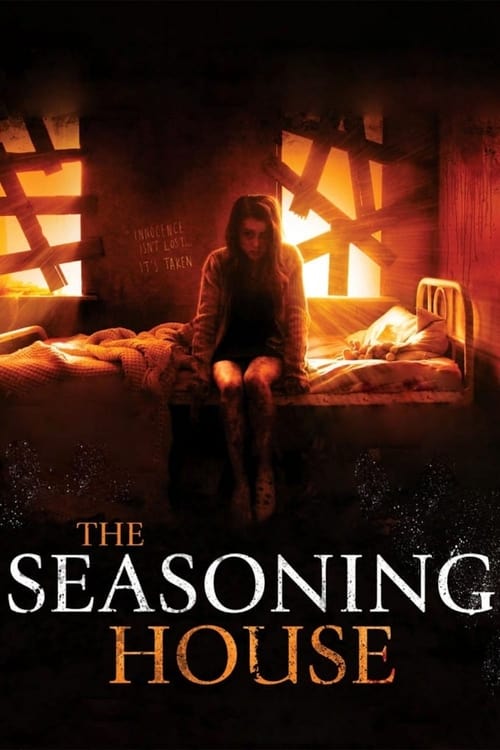
The protagonist's unique physical characteristic is treated as a central part of her identity rather than a spectacle. She maintains significant control over her life, avoiding common victim stereotypes.
The protagonist's permanent mutation serves as a central disability. The film avoids sentimentality, instead giving the character's ability to drive the story through his capacity for violent social disruption.
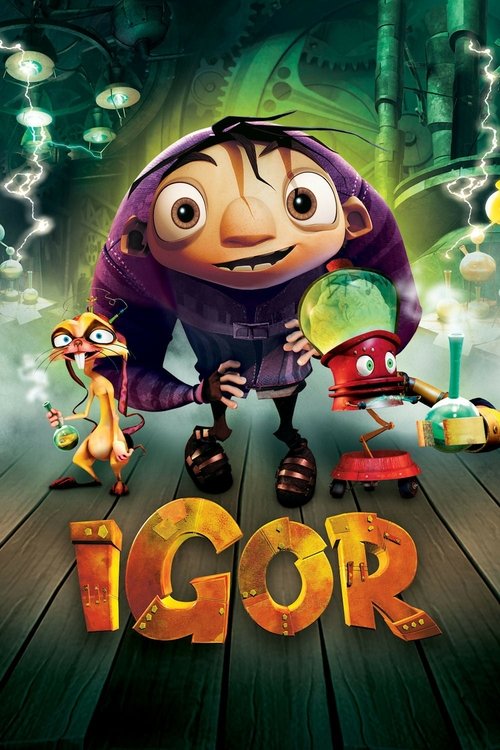
Igor, a hunchbacked protagonist, is given a significant role in driving the story and intellectual autonomy. The film allows him to drive the plot and showcases his creativity.
Biological mutation is explored through the lens of physical alteration. The film avoids sentimentalism, focusing instead on the violent implications of the protagonist's altered state.
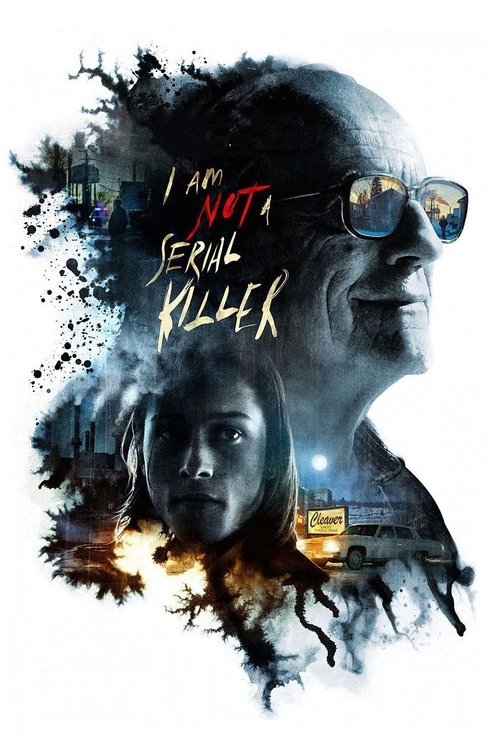
The film offers a nuanced portrayal of neurodivergence through John. His emotional detachment is treated as a complex identity rather than a mere plot device or source of mockery.
Julia’s broken leg is treated realistically, adding a practical obstacle to her survival without exaggeration. The injury complicates her survival strategies without resorting to inspirational stories.
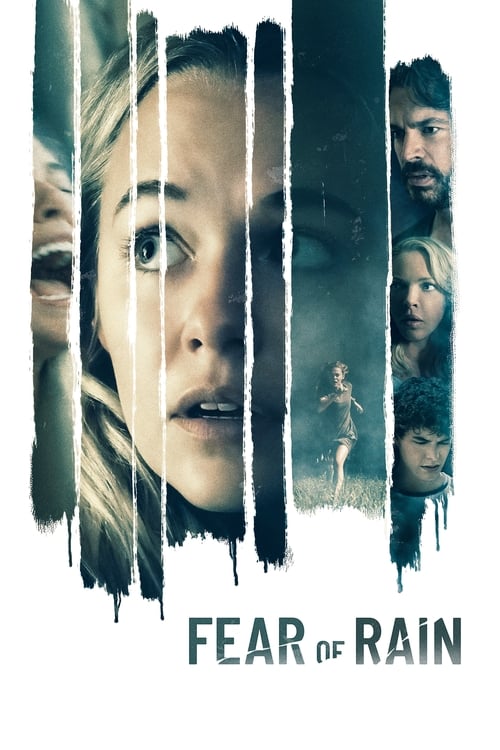
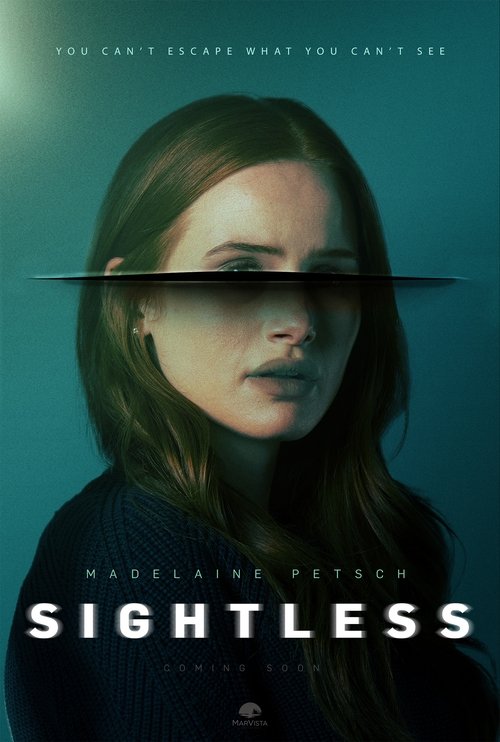
The protagonist deals with blindness, emphasizing the struggle for ability to act when others question her perceptions. The depth of this portrayal is yet to be fully realized.
The film focuses on physical and psychological vulnerabilities, featuring a bedridden mother and a socially isolated protagonist. It avoids the typical able-bodied hero archetype.
The protagonist's neurodivergent behavior and trauma-driven reactions are central to the film's conflict. Her unique cognitive processes are portrayed as a key survival mechanism, rather than a means for pity.
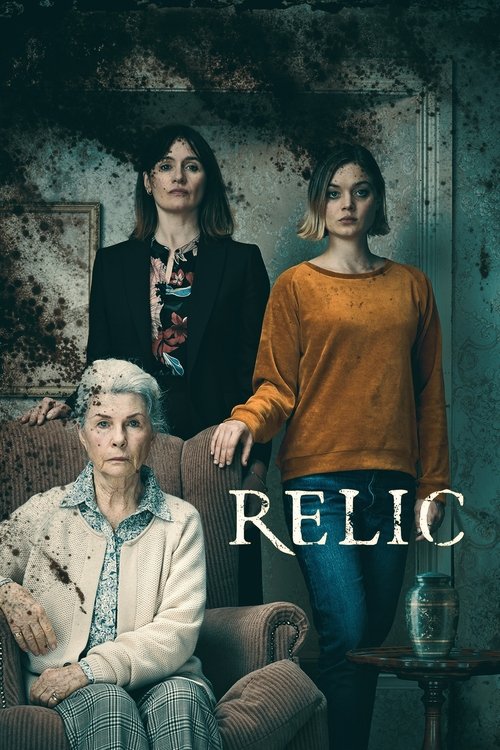
The film offers a nuanced portrayal of invisible disabilities such as dementia and sensory impairment. It avoids inspirational clichés and treats cognitive decline as a core element of psychological horror.
The plot centers on Dissociative Identity Disorder, exploring the impact of trauma on the protagonist without caricaturing her condition.
The story provides a harrowing look at neurodivergence and mental health issues. It avoids clichés by centering the protagonist's control over her own psychological crisis.
Spontaneous organ growth is treated as a new state of being rather than a disease. Characters navigate these physical changes with control and professional purpose.
The film does not prominently depict visible or invisible disabilities. Neurodivergence and chronic illness are not central character traits.
The film does not depict any visible or invisible disabilities. It does not engage with neurodivergence, physical disabilities, or mental health issues as central character dimensions.
There is no significant or intentional representation of physical or neurodivergent disabilities in the main character arcs.
There are no depictions of visible or invisible disabilities. Characters are defined solely by their physical ability to fight or flee during the survivalist conflict.
The film lacks characters with visible or invisible disabilities serving as central narrative drivers. Consequently, no meaningful representation is present in this category.
There are no prominent depictions of neurodivergence or physical disabilities used as character drivers or identity markers.
There is no representation of physical or neurodivergent disabilities among the main or supporting cast. Disability is not used as a narrative device.
The film doesn't show any characters with visible or invisible disabilities. Characters are defined by their spiritual roles rather than by any physical or mental differences.
The film does not specifically address disabilities, either visible or invisible. Characters are defined by their roles in the story rather than by any physical or mental conditions.
There are no visible or invisible disabilities portrayed with ability to act. The narrative does not engage with neurodivergence or physical disability.
There is no significant representation of physical or neurological disabilities. Psychological trauma is used as a standard horror element rather than a nuanced exploration of mental health issues.
Characters experience severe psychological trauma, but there are no specific depictions of visible or invisible disabilities used as central narrative drivers.
There are no prominent depictions of physical or neurodivergent disabilities that serve as central character arcs or plot devices.
There are no portrayals of neurodivergence, chronic illness, or visible disabilities. All characters are shown as fully able-bodied within the story.
The film does not depict any characters with visible or invisible disabilities. The protagonist's physical struggles arise from external trauma rather than chronic disability.
There are no characters with visible or invisible disabilities. Physical or mental conditions are framed through horror clichés rather than nuanced depictions of neurodivergence.
The film doesn't show any characters with visible or invisible disabilities. There are no characters defined by neurodivergence or physical impairments.
There are no significant representations of disabilities, either visible or invisible. Chronic illnesses and neurodivergence are not used as central themes or plot devices.
The film does not feature prominent characters with visible or invisible disabilities as central to the narrative arc.
There are no prominent characters with visible or invisible disabilities featured as central to their identity or ability to act.
The film does not feature prominent characters with visible or invisible disabilities.
The film explores psychological trauma resulting from violence. However, there are no specific, character-driven portrayals of physical or neurodivergent disabilities present.
No visible or invisible disabilities are shown as part of the character development or plot progression.
The film does not depict any visible or invisible disabilities. Characters are shown through typical lenses of physical health and mental well-being.

2012
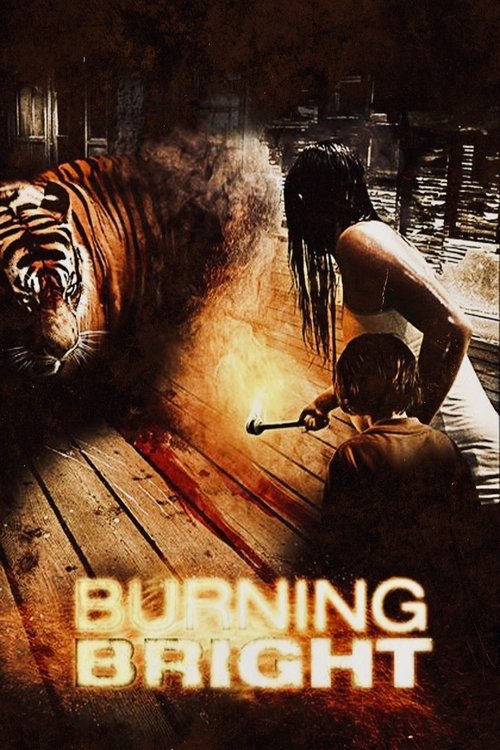
RThere are no significant depictions of visible or invisible disabilities within the main storyline.
There are no visible or invisible disabilities represented in the film. Neurodivergence or chronic illness does not influence the plot or character development.
The film does not meaningfully represent physical or neurodivergent disabilities. A child's disability is used merely as a narrative device.
The film does not feature characters with visible or invisible disabilities as central narrative elements. Disability is not used as a significant plot device.
The film does not depict any character with visible or invisible disabilities. Characters are defined by their physical ability to survive predatory encounters.
There are no portrayals of visible or invisible disabilities. Characters are defined solely by their physical ability to flee and survive the creature.
There are no depictions of disabilities or neurodivergence. Physical injuries serve mainly as plot devices rather than exploring the experiences of those with disabilities.
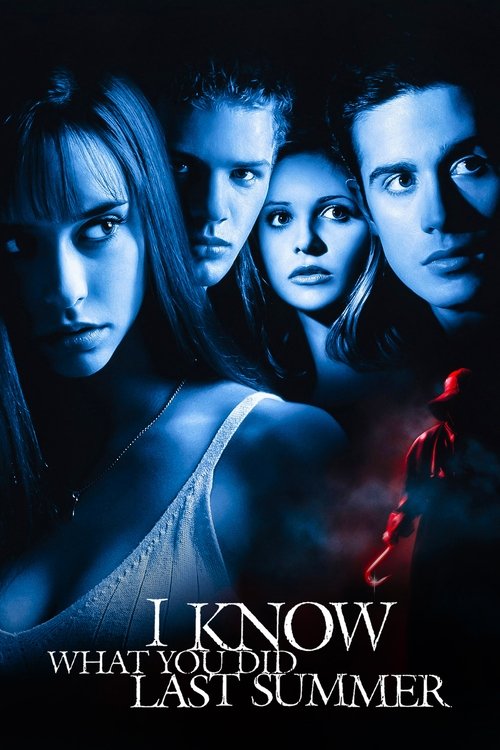
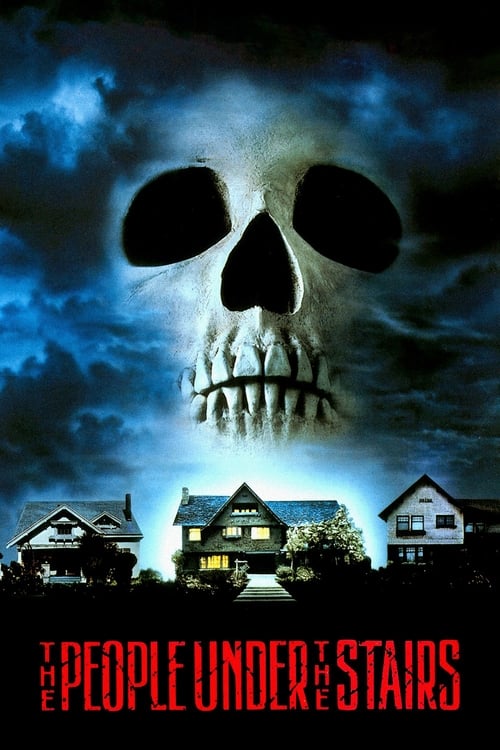
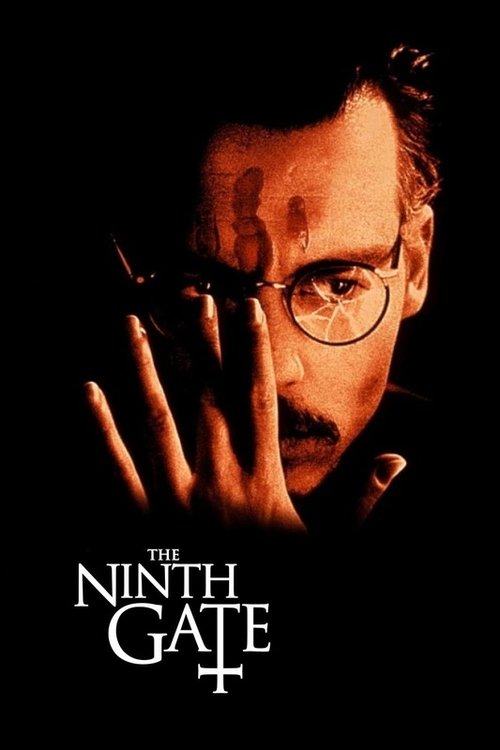
1997
RThe film does not feature any characters with visible or invisible disabilities or neurodivergence. Disability is not addressed as a narrative element.
There are no prominent depictions of visible or invisible disabilities that serve as central character arcs or plot devices within the story.
The film does not feature any characters with visible or invisible disabilities. Characters are defined solely by their physical utility in the survival context.
There are no prominent depictions of visible or invisible disabilities that serve as central plot drivers or character arcs.
The film does not feature any characters with physical, neurodivergent, or sensory disabilities. Characters are defined by their moral histories rather than their lived experiences of disability.
There is no depiction of physical or invisible disabilities. The story does not address neurodivergence or disability as part of character identity.
The story does not feature characters with visible or invisible disabilities as central to the narrative arc.
There are no characters depicted with visible or invisible disabilities. The film does not incorporate neurodivergence or physical impairment into its character development.
There are no visible or invisible disabilities depicted among the main characters.
There is no representation of physical, neurodivergent, or sensory disabilities. Characters are presented through a lens of standard physical capability.
No characters are shown to have visible or invisible disabilities throughout the main storyline.
The story does not feature characters with visible or invisible disabilities. The focus is on the psychological impact on the central characters.
The film does not prominently feature characters with visible or invisible disabilities as central plot drivers.
There is no visible or invisible disability representation. The story does not utilize neurodivergence or physical disability to explore identity.
There are no significant depictions of visible or invisible disabilities that play central roles in the narrative.
There is no representation of visible or invisible disabilities. The primary cast and character arcs do not include neurodivergence or chronic illness.
There are no visible or invisible disabilities shown in the characters. Characters are presented through a lens of physical and neurotypical normalcy.
There are no characters whose main story arc revolves around a visible or invisible physical or neurodivergent disability.
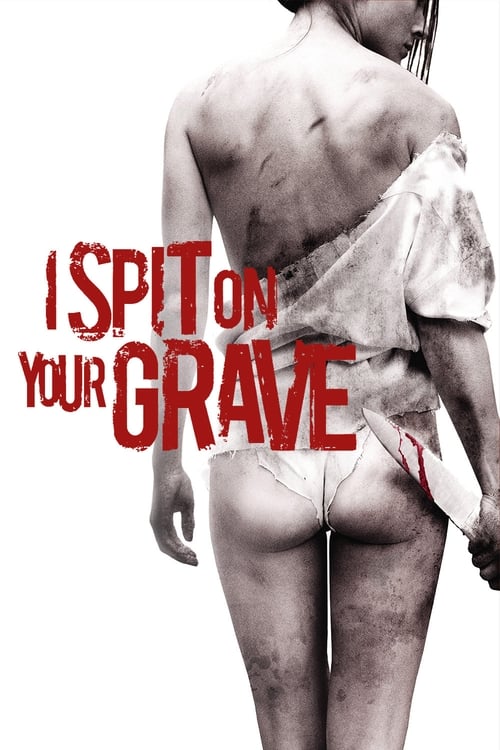
There are no depictions of visible or invisible disabilities or neurodivergence. Characters are defined solely by their roles in the revenge plot.