
The Fox and the Hound
1981
No user ratings available yet
Representation score: 0.3 out of 10
Representation Score
Minimal
1967
NRDirector
Wolfgang Reitherman
Runtime
78 minutes
Average Rating
No ratings yetNew Showbiz Analysis
The film is a classic example of mid-century traditionalist animation, reinforcing established social hierarchies and archetypal roles. It operates within a framework of traditional morality and social order, offering little disruption to Western storytelling norms. While set in the Indian jungle, the film treats the location as an exotic backdrop for adventure. It lacks nuanced cultural representation or a diverse human cast, adhering to the production standards of its era. Ultimately, the narrative focuses on a conventional coming-of-age journey. It lacks intentional characters who reflect more than one aspect of diversity, favoring stylized archetypes over complex social or identity-based explorations.
Category Breakdown
The film does not include any LGBTQ+ characters or explore non-straight relationships. Character interactions focus on mentorship and friendship.
Gender roles follow traditional archetypes, with Bagheera embodying a strict mentor figure and Kaa portrayed as a dangerous woman. These roles reinforce conventional personality traits without challenging hierarchies.
The story focuses on a single man-cub protagonist and lacks human racial diversity. It presents the Indian jungle as an exotic setting typical of mid-century Western animation.
The narrative emphasizes the 'Law of the Jungle' as a strict social order. It promotes traditionalist views of social cohesion without providing nuanced cultural representation.
The film does not feature characters with disabilities. The anthropomorphic animals are defined by their abilities and instincts, not by any impairments.
Present on Screen
Limited or Absent
Official Synopsis
The boy Mowgli makes his way to the man-village with Bagheera, the wise panther. Along the way he meets jazzy King Louie, the hypnotic snake Kaa and the lovable, happy-go-lucky bear Baloo, who teaches Mowgli "The Bare Necessities" of life and the true meaning of friendship.
1981

1997
2006
1972
2011

1977
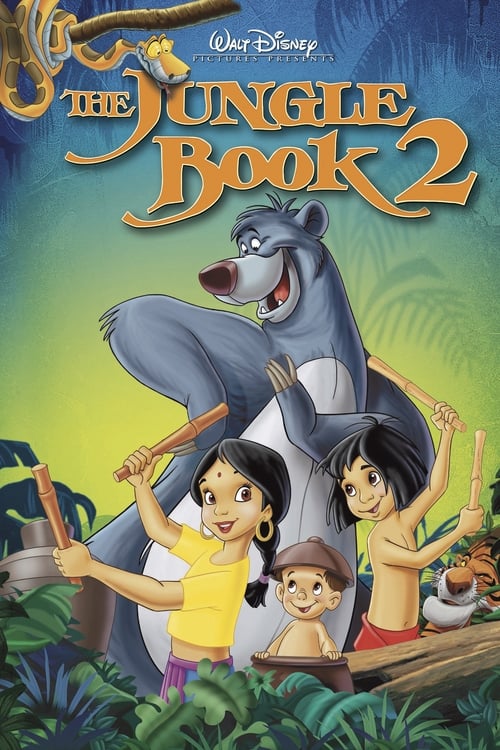
2003
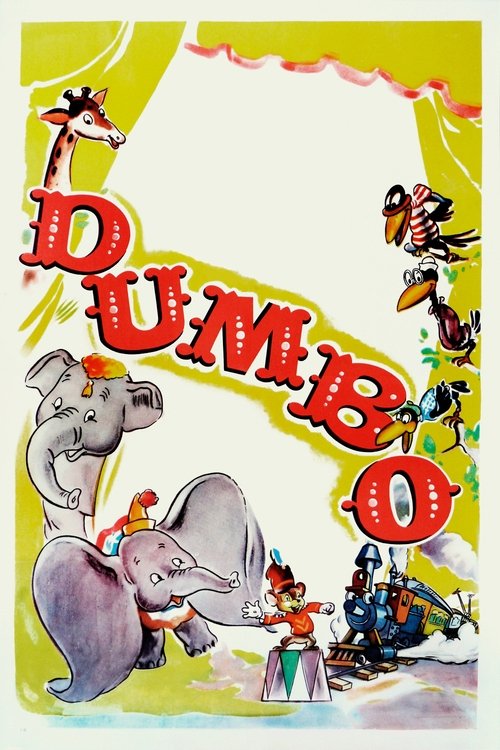
1941
No reviews yet. Be the first to share your thoughts on this movie!
Use the rating form above to leave a star rating and optional review.