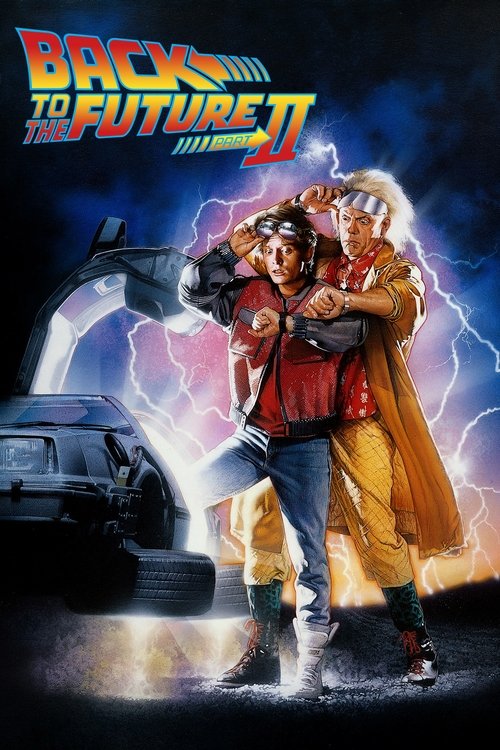
Back to the Future Part II
1989
No user ratings available yet
Representation score: 3.0 out of 10
Representation Score
Minimal
1985
PGDirector
Robert Zemeckis
Runtime
116 minutes
Average Rating
No ratings yetNew Showbiz Analysis
Back to the Future restores the 1950s nuclear family as the ideal. George McFly’s transformation from a bullied passive man to a confident protector is the film’s moral climax. The story treats personal bravery and traditional gender roles as the cure for social anxiety. The closing image of the restored family photo sells the 1950s as a stable, safe, and correctable past.
Category Breakdown
The film features no LGBTQ+ characters or relationships. The story follows straight pairings between Marty/Jennifer and George/Lorraine. The 1955 setting reinforces binary gender roles without deviation.
George starts as a passive, bullied man who gains status by standing up to Biff. Lorraine’s infatuation with her son drives the plot, but the ending restores the traditional hierarchy. Women function as catalysts or rewards rather than independent agents.
The cast is entirely white and middle-class. Hill Valley is depicted as a homogeneous suburban utopia. No racial tension, diversity, or non-white perspectives appear in the main narrative or supporting roles.
The film romanticizes the 1950s as a time of clear social codes and suburban safety. The core thesis is the restoration of the nuclear family and personal confidence. Conflict is resolved through individual bravery rather than systemic change.
No characters have lasting physical or mental disabilities. George’s physical awkwardness is treated as a temporary social flaw corrected by attitude, not a medical condition. No disabled bodies are depicted or discussed.
Present on Screen
Limited or Absent
Official Synopsis
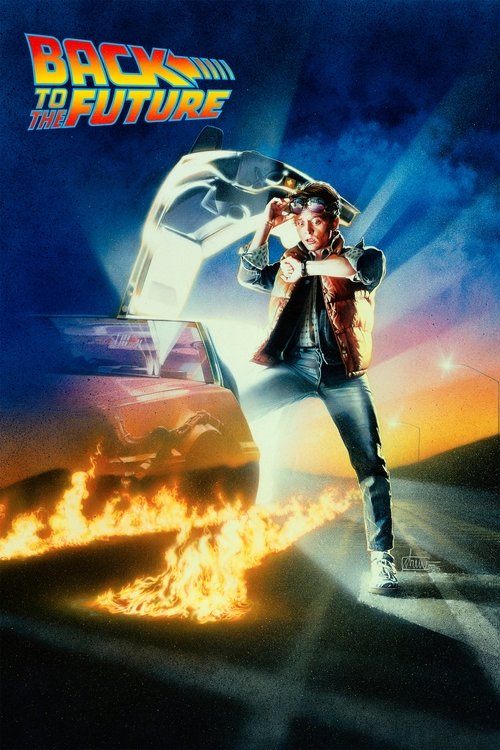
Eighties teenager Marty McFly is accidentally sent back in time to 1955, inadvertently disrupting his parents' first meeting and attracting his mother's romantic interest. Marty must repair the damage to history by rekindling his parents' romance and - with the help of his eccentric inventor friend Doc Brown - return to 1985.
1989
1981
1990
2000

2010
1984
1989
1991
No reviews yet. Be the first to share your thoughts on this movie!
Use the rating form above to leave a star rating and optional review.