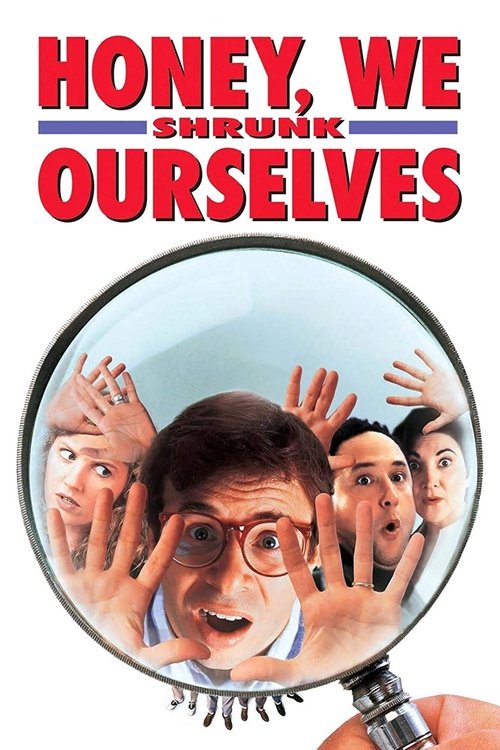
Honey, We Shrunk Ourselves
1997
No user ratings available yet
Representation score: 1.2 out of 10
Representation Score
Minimal
1989
PGDirector
Joe Johnston
Runtime
93 minutes
Average Rating
No ratings yetNew Showbiz Analysis
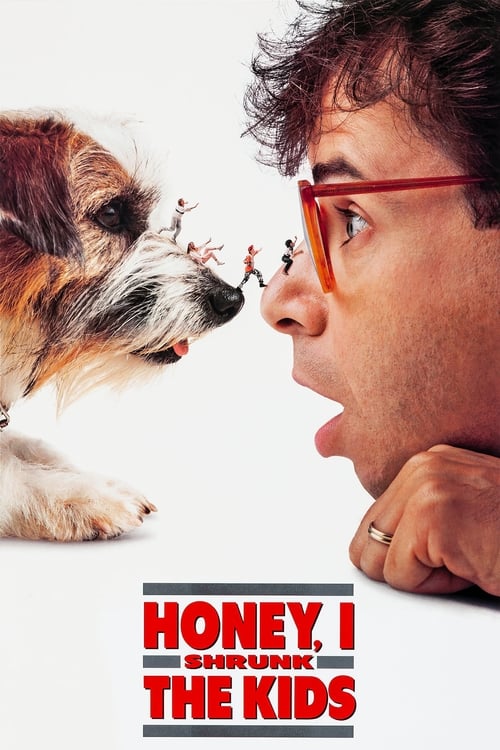
Honey, I Shrunk the Kids is a quintessential product of late-20th-century suburban Americana. It centers on a traditional nuclear family unit and reinforces established social hierarchies through a conventional lens. The film focuses on a homogeneous demographic, reflecting a specific, Anglo-centric view of domestic life. While it excels as an adventure-comedy, it does not challenge traditional gender roles or present a multicultural society. Ultimately, the story celebrates traditional domestic archetypes, offering limited representation for LGBTQ+ identities, diverse racial backgrounds, or disability.
Category Breakdown
The film does not depict any non-straight or non-cisgender identities. It does not challenge traditional gender roles or offer narratives that question these norms.
The story maintains traditional gender roles where female characters like Amy play significant roles through domestic duties, reinforcing rather than challenging these roles.
The film presents a homogeneous suburban environment with a primarily white cast, reflecting a narrow, Anglo-centric view of American suburban life.
The narrative upholds the stability of the nuclear family and Western progress without critiquing traditional institutions or presenting anti-Western sentiments.
The film does not include characters with visible or invisible disabilities as central figures. Physical vulnerability is used as a plot device rather than representing disability.
Present on Screen
Limited or Absent
Official Synopsis
The scientist father of a teenage girl and boy accidentally shrinks his and two other neighborhood teens to the size of insects. Now the teens must fight diminutive dangers as the father searches for them.
1997
1999
1992

1966
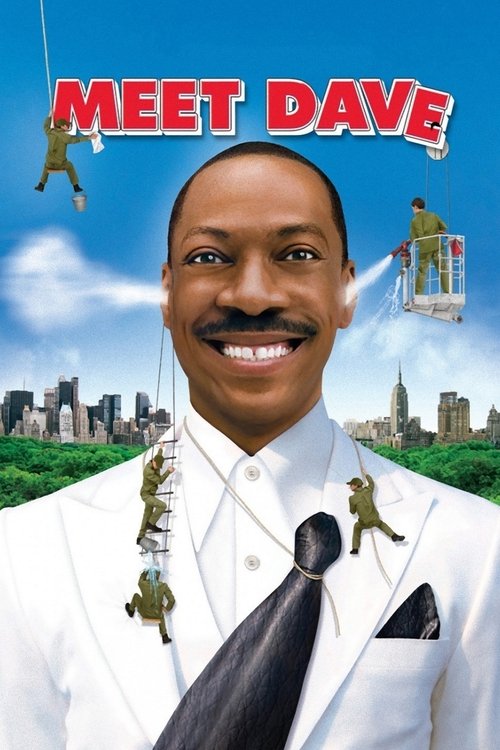
2008
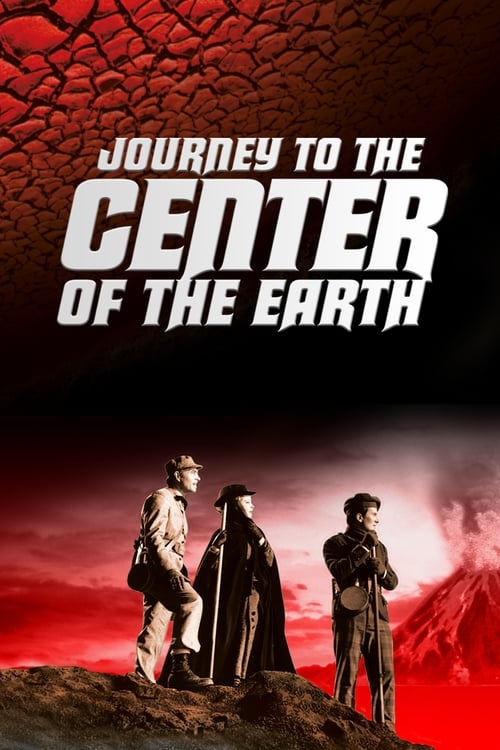
1959
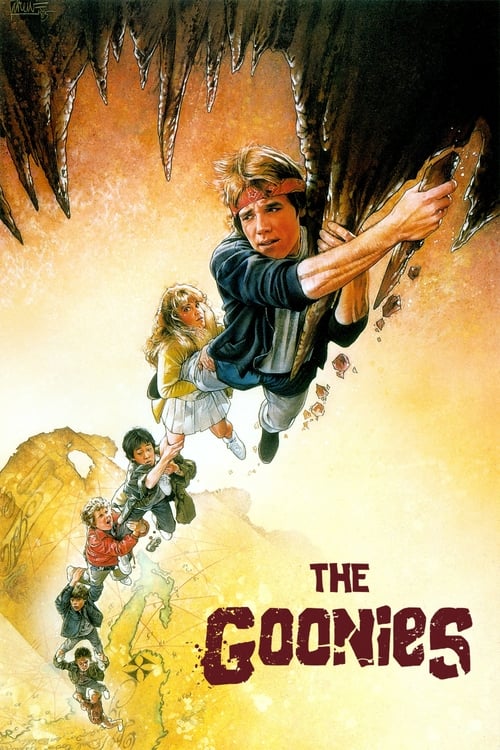
1985
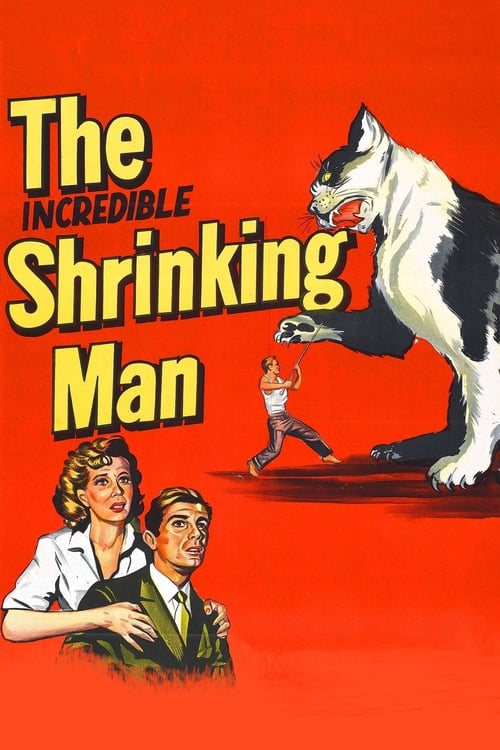
1957
No reviews yet. Be the first to share your thoughts on this movie!
Use the rating form above to leave a star rating and optional review.