The Wild Child
1970
No user ratings available yet
Representation score: 3.4 out of 10
Representation Score
Limited
1974
Not RatedDirector
Werner Herzog
Runtime
109 minutes
Average Rating
No ratings yetNew Showbiz Analysis
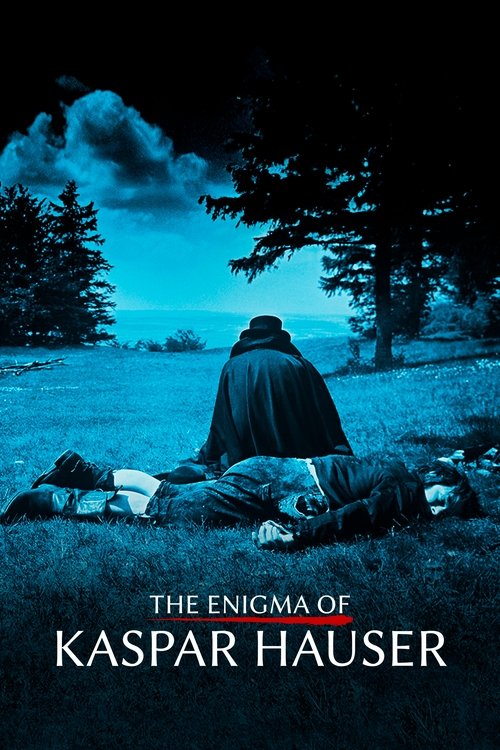
Werner Herzog’s film is a philosophical exploration of the tension between the individual and systemic power. While it lacks modern demographic diversity, it excels in its intellectual critique of Western norms. The film's strength lies in its profound critique of institutions such as the church and the scientific community. It portrays these structures as oppressive forces rather than stabilizing ones. However, the work remains tied to its historical setting, resulting in limited representation of race, gender, and LGBTQ+ identities. It prioritizes a specific, homogeneous European period over modern inclusivity.
Category Breakdown
The film does not include any LGBTQ+ characters or explore non-straight relationships. It focuses solely on the protagonist's experience in 19th-century society.
The story adheres to strict 19th-century German social structures. It does not challenge gender roles and instead focuses on the individual's struggle against societal norms.
Set in a specific historical European context, the film shows a largely uniform society. It reflects the demographics of the time without modern casting practices.
The film critically examines Western institutionalism. It portrays the church and state as oppressive forces that seek to dominate individuals' spirits.
The narrative offers a detailed look at neurodivergence and atypical development. It avoids exploitative portrayals and explores the cognitive challenges faced by those in extreme social isolation.
Present on Screen
Limited or Absent
Official Synopsis
The film follows Kaspar Hauser, who lived the first seventeen years of his life chained in a tiny cellar with only a toy horse to occupy his time, devoid of all human contact except for a man who wears a black overcoat and top hat who feeds him.
1970
2014
1972
1962
2013
1980
2007
2009
No reviews yet. Be the first to share your thoughts on this movie!
Use the rating form above to leave a star rating and optional review.