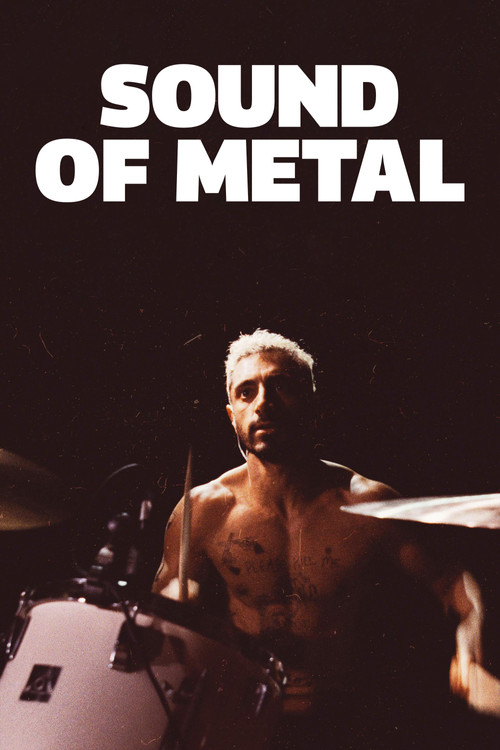
Sound of Metal
2020
RNo user ratings available yet
Representation score: 9.5 out of 10
These lists use approved disability representation scores for dramas that have written notes. Highest-scoring films are those whose notes describe more on-screen disability representation. Lowest-scoring films are those whose notes describe little or none. Neither list is a quality ranking.
The film excels by centering the Deaf experience through ASL and authentic casting. It avoids 'inspiration porn,' treating disability as a fundamental shift in existence.
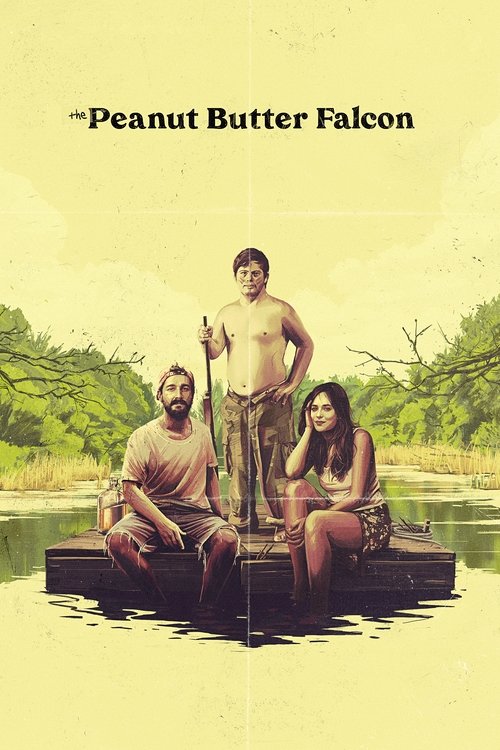
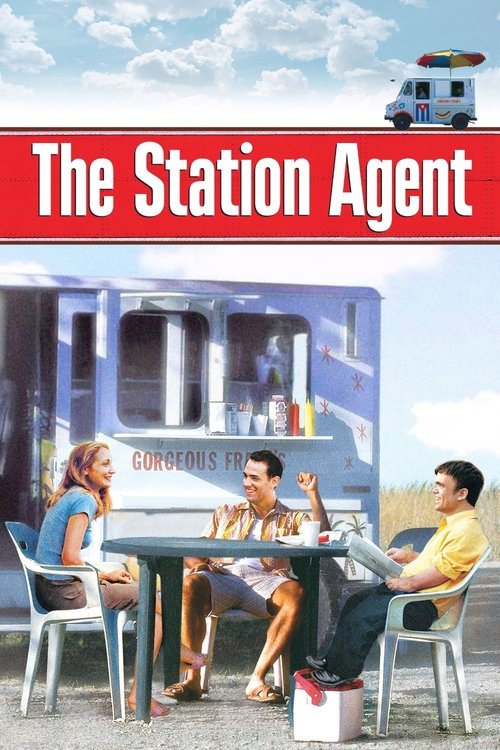
Casting Zack Gottsagen provides an authentic portrayal that avoids the 'inspiration porn' cliché. The protagonist has high ability to act and self-determined goals, treating his disability as part of his identity rather than a pitiful condition.
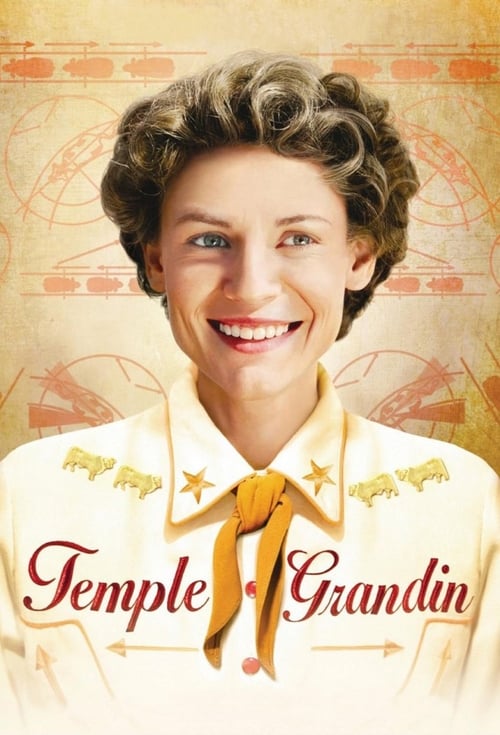
The film offers a compelling portrayal of neurodiversity, focusing on the lived experience of autism. It avoids inspirational clichés and instead highlights sensory processing as a key factor in scientific advancements.
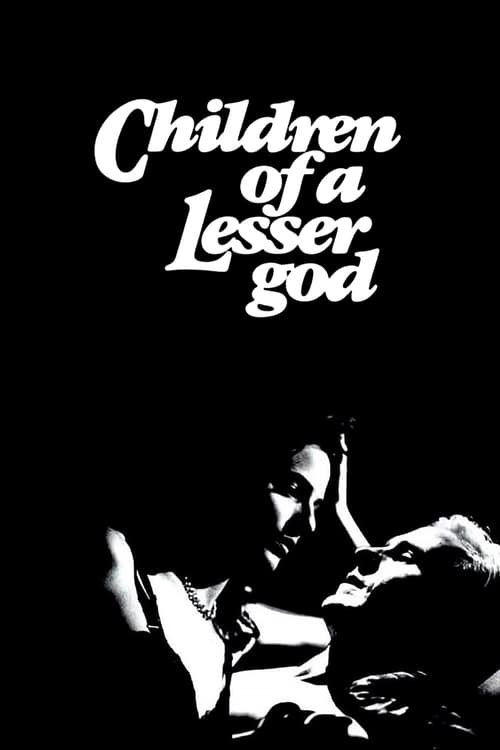
Casting Marlee Matlin adds authenticity to the film. Sarah is a complex, empowered character who fights for her right to communicate rather than serving as a sentimental figure.
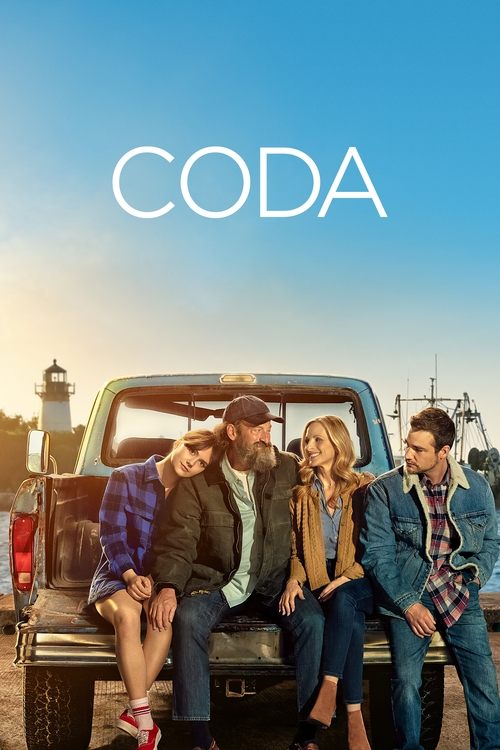
Casting actors with actual disabilities provides an authentic portrayal of Deaf life. Deafness is treated as a distinct cultural identity rather than a deficit to be overcome.
The film presents cerebral palsy as a complex obstacle to independence without falling into sentimentality. Christy Brown is a central figure whose intelligence and artistry shape the story.
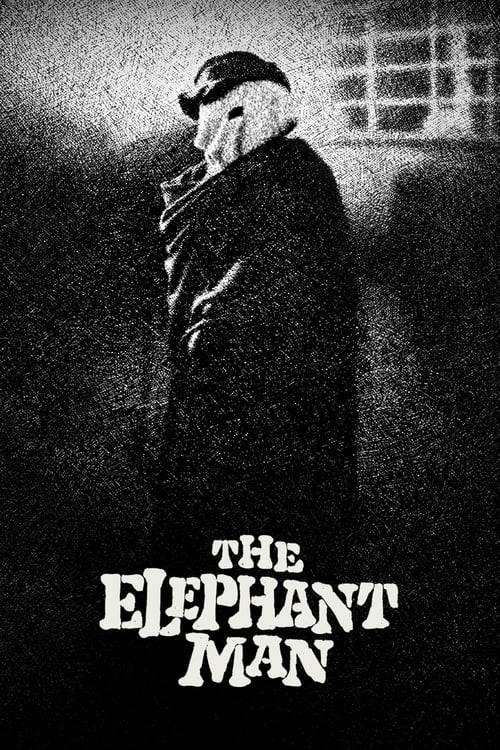
The film centers on Joseph Merrick's profound intellect and ability to act, using his condition to critique the voyeuristic nature of the 'normal' world.
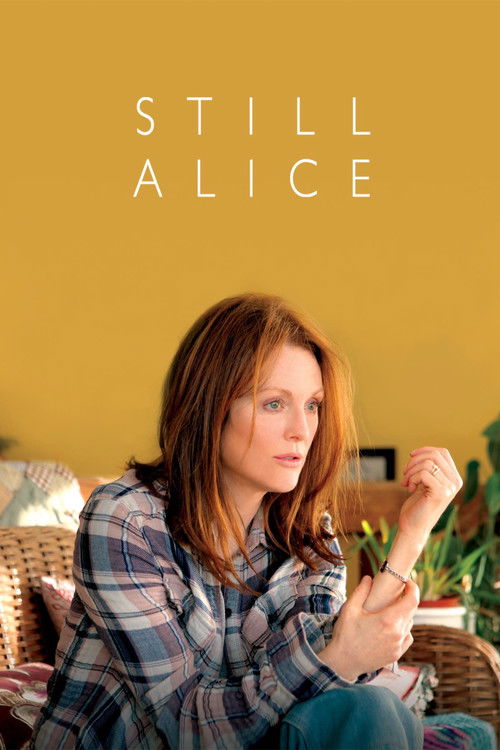
The film's portrayal of early-onset Alzheimer's is exceptional, avoiding overly inspirational depictions. It emphasizes the protagonist's struggle to maintain control and identity through a detailed psychological depiction of cognitive decline.
This is a standout element, providing a nuanced portrayal of Asperger’s Syndrome and severe obesity. Max is given real power rather than being treated as a mere plot device.
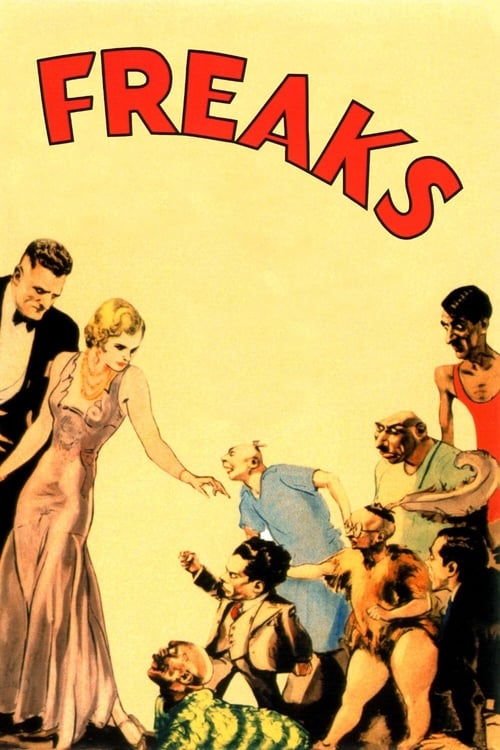
By casting actual performers with physical disabilities, the film avoids using disability merely as a visual element. These characters play key roles in driving the story’s resolution.
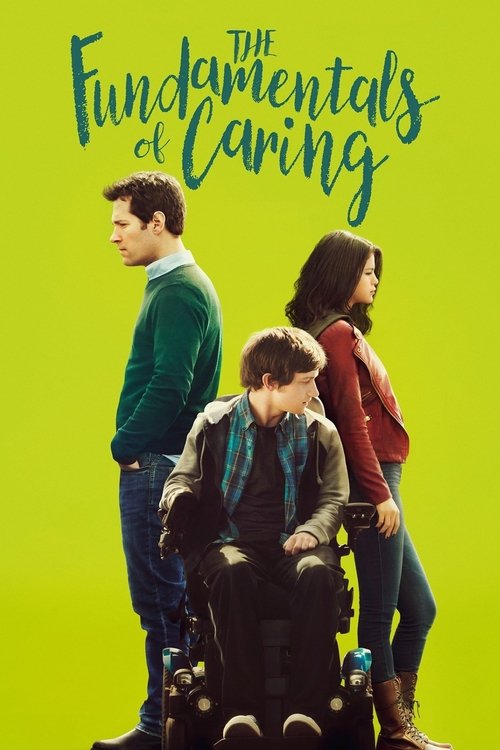
The protagonist seeks experiences actively rather than passively receiving care. The film avoids 'inspiration porn' by focusing on his complex, human desires.
This film marks a significant portrayal of disability. By focusing on a non-verbal, wheelchair-using protagonist, the film highlights his neurodivergent perspective as a valid and active creative force.
The story centers on the experiences of characters with Down syndrome, autism, and physical impairments. It avoids 'inspiration porn' by treating disability as a complex, central identity rather than just a plot device.
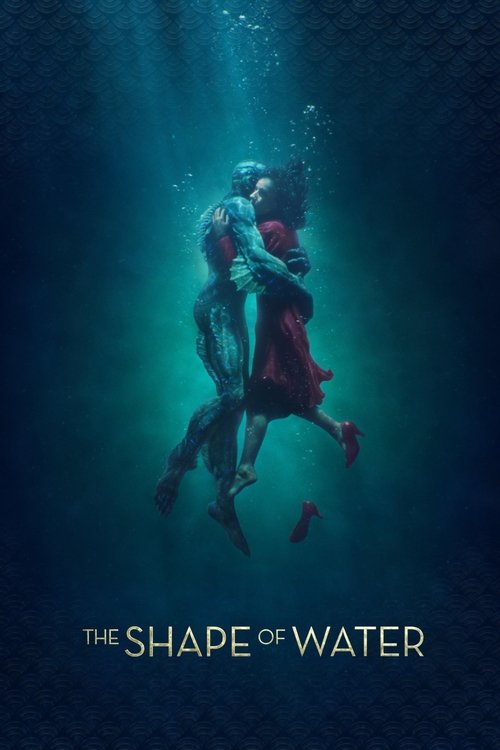
Elisa’s muteness is a core part of her identity, not a deficit or a subject of ridicule. The film shows that her inability to speak does not diminish her intelligence.
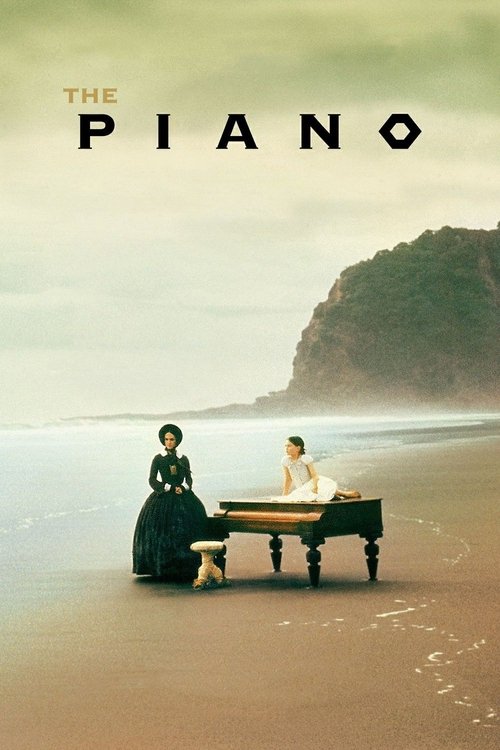
Ada’s mutism is shown with sensitivity, avoiding pity. Her piano playing serves as a powerful means of communication and a source of strength.
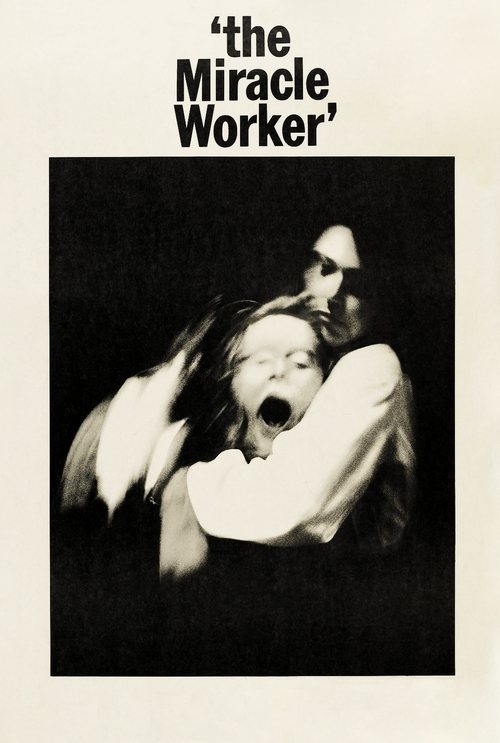
Helen Keller's deaf-blindness is portrayed as a complex, lived experience rather than a source of pity. The film avoids inspirational clichés by focusing on the challenging, psychological struggle for autonomy.
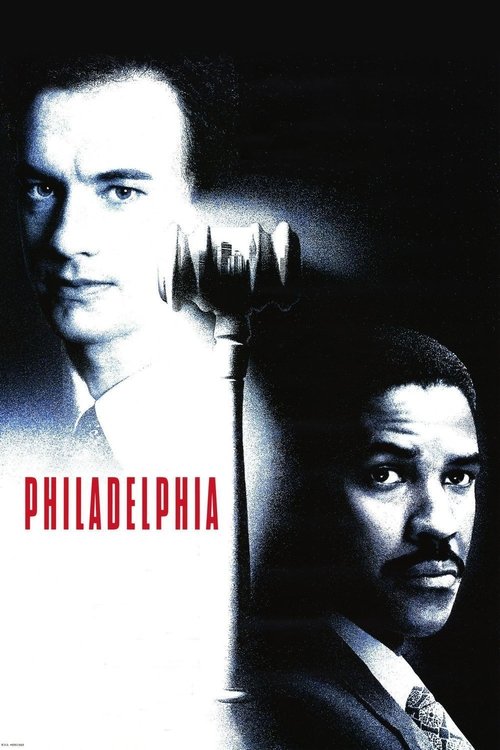
The portrayal of AIDS avoids 'inspiration porn' by focusing on the bodily deterioration and systemic erasure faced by the protagonist. His condition is shown as a site of discrimination rather than a personal flaw.
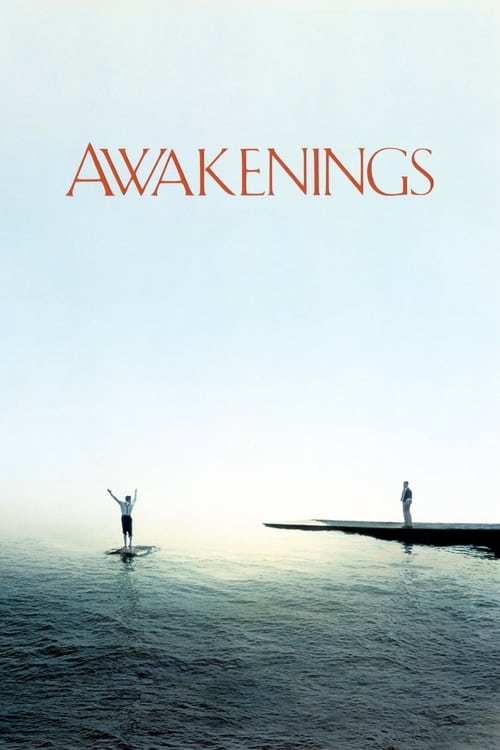
The film highlights the lived experiences of catatonic patients, granting them dignity and ability to act. It focuses on the challenging process of reintegrating into a society that has moved forward.
The film highlights the lived experiences of depression and anxiety. It gives characters real control over their lives and avoids presenting mental illness as mere spectacle.
Daniel Blake’s heart condition leads to a nuanced exploration of systemic accessibility. The film avoids sentimentality, focusing on his struggle for dignity against a bureaucratic system.
The film offers a sophisticated portrayal of neurodivergence and PTSD. It avoids 'inspiration porn' by focusing on the systemic friction caused by the father's condition.
The film depicts schizophrenia without resorting to inspirational stories. The protagonist maintains ability to act through his music rather than being a tragic plot device.
Autism is portrayed as a unique cognitive framework rather than a deficit. The film centers on Wendy's sensory experiences, avoiding common clichés and granting her significant control over her story.
The protagonist is shown to have high ability to act and intelligence. The film focuses on the social stigma and psychological reality of disability, rather than portraying it as a miraculous or tragic condition.
The film excels in portraying neurodivergence with high ability to act. James's idiosyncrasies drive his autonomy rather than serving as objects of mockery or 'inspiration porn.
Deafness is presented as a fundamental component of social reality rather than a deficit. The film avoids inspiration porn, instead showing a community where sensory difference is the baseline.
The narrative centers on neurodivergence, presenting a social model of disability. The protagonist plays a significant role in driving the story, avoiding sentimental clichés and instead exploring systemic barriers.
Regan’s deafness is integrated into the family's survival strategy, giving her a significant role in the story. The film avoids tragic clichés and focuses on the practical realities of her experience.
Neurodivergence and bipolar disorder are depicted with nuance and ability to act. The film avoids inspirational stories and instead portrays mental health issues as complex and integral to character identities.
The portrayal of motor neuron disease is sophisticated and realistic. It avoids inspiration porn by focusing on the practical, grueling realities of physical and communicative adaptations.
Elijah Price offers a sophisticated portrayal of disability. The narrative gives him a significant role in driving the story and complexity, integrating his condition into his unique perspective.
The film excels by centering on Auggie Pullman, giving a character with physical differences a significant role in driving the story. It avoids pity, instead depicting the realistic psychological toll of social exclusion.
The protagonist is portrayed as being on the autism spectrum with high ability to act. His neurodivergence is a complex reality rather than a mere plot device.
This is the film's strongest area, focusing on the unglamorous realities of cystic fibrosis. It treats physical constraints with dignity rather than using disability as mere inspiration porn.

1993
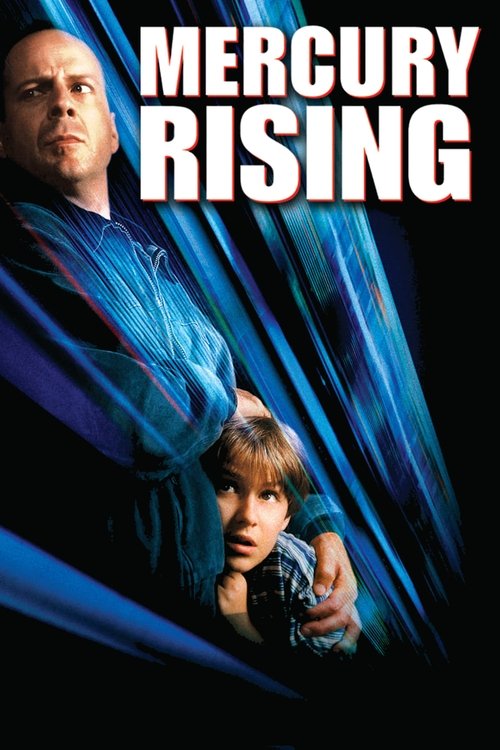
PG-13Arnie Grape is shown who play a significant role in driving the story and is not just used as a plot device. His neurodivergence is integral to the emotional heart of the film.
The film offers a deep depiction of dementia. It uses shifting sets and changing actors to simulate the lived experience of cognitive disability, fostering empathy.
The film provides a nuanced portrayal of a wheelchair user, avoiding 'inspiration porn' clichés. It explores how physical vulnerability can be weaponized through medical gaslighting and systemic control.
The film stands out by centering Trevor, a character with muscular dystrophy, as an active participant in his own story. It avoids pity, focusing on his wit and autonomy.
The portrayal of autism is a strong point. The autistic character, Simon Lynch, plays a key role in driving the plot.
The film centers a protagonist with Tourette syndrome, using neurodivergence as a fundamental lens for perception. The condition is a core component of his ability to act rather than a plot device.
The film portrays neurodivergence positively, treating the protagonist's autism as a core component of his character and investigative abilities.
The film presents an honest portrayal of chronic illness and physical deterioration. It avoids romanticizing suffering, focusing instead on the reality of living with illness.
Karl Childers is portrayed as intellectually disabled who play a significant role in driving the story. The film avoids stereotypes and presents neurodivergence as a complex part of his identity.
The film provides a thoughtful depiction of neurodivergence and mental health issues through the lens of psychiatric care. It gives the protagonist a significant role in the story, avoiding common negative stereotypes.
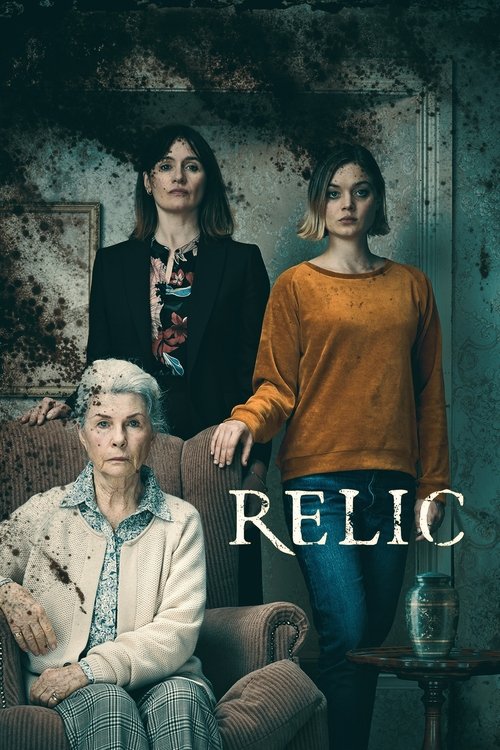
The film excels in depicting dementia through body horror, making the grandmother's decline a central, transformative force rather than a mere plot device.
Finbar McBride is portrayed with immense dignity and ability to act. His dwarfism is a fundamental part of his identity, yet his arc is driven by emotional complexity rather than his medical condition.
The film provides a detailed look at neurodivergence and mental health issues. It avoids simplistic inspirational stories and instead focuses on the internal experiences of the characters.
The film highlights the protagonist's neurodivergence and physical disabilities. It emphasizes his subjective sensory experiences and gives him significant influence through his unique abilities.
The film provides a significant portrayal of ALS, giving the character real control over her life rather than using the condition as mere inspiration. It explores the socioeconomic and emotional realities of neurodegenerative disease.
The narrative provides a significant role in driving the story to a protagonist living with schizophrenia. It avoids 'inspiration porn' by focusing on the harrowing reality of hallucinations and mental healthcare.
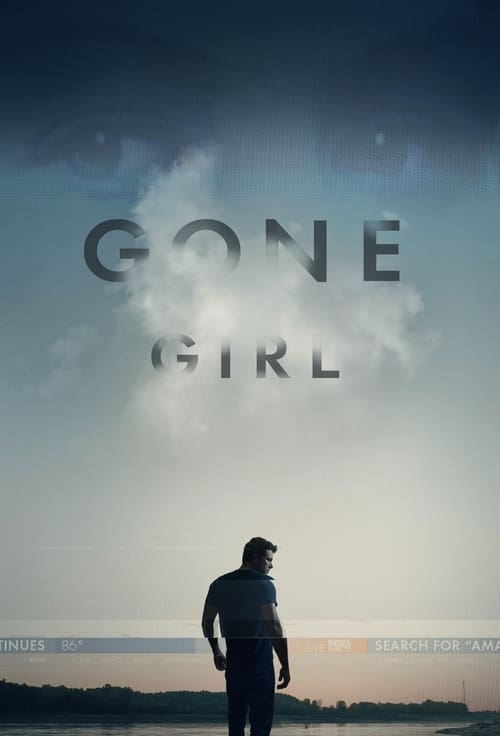
No characters have lasting physical, sensory, or cognitive impairments. Amy’s self-inflicted injury is a temporary plot device, not a portrait of disabled life.
No characters with lasting impairments, visible differences, or neurodivergence appear. The narrative does not address disability, medical conditions, or physical limitations as part of the story.
There are no prominent depictions of physical or neurodivergent disabilities. Such traits do not serve as central narrative drivers or character elements.
The film does not prominently depict visible or invisible disabilities. Neurodivergence and chronic illness are not central character traits.
The film does not depict any characters with physical, neurodivergent, or mental health disabilities. It does not address the spectrum of disability representation.
There are no prominent depictions of physical or neurodivergent disabilities that serve as central character traits or drive the narrative.
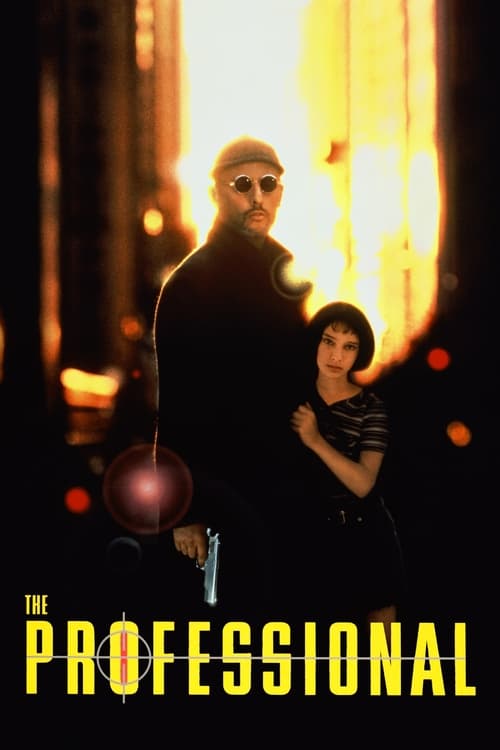
There is no meaningful representation of physical or neurodivergent disabilities. Characters are defined solely by their capacity for violence or deception.
There are no prominent depictions of visible or invisible disabilities that drive the plot or serve as central character arcs.
There are no significant depictions of visible or invisible disabilities in the film.
The film does not depict any characters with visible or invisible disabilities. There are no representations of neurodivergence or chronic illness in the main storylines.
The film depicts extreme physical and psychological trauma following a shipwreck. However, it does not focus on permanent disabilities or neurodivergence as primary identity markers.
There is no meaningful representation of physical or cognitive disabilities among the main characters.
There is no representation of visible or invisible disabilities in the film. Mental health conditions and neurodivergence are not part of the main character arcs.
There are no significant depictions of physical or neurodivergent disabilities within the main storyline.
The main character arcs do not prominently feature visible or invisible disabilities.
There are no significant depictions of physical or neurodivergent disabilities in the narrative.
There are no significant portrayals of physical or neurological disabilities that play a central role in the plot.
There are no characters whose main storylines revolve around visible or invisible disabilities. The film focuses on the physical hardships caused by poverty.
There are no visible or invisible disabilities shown among the main characters or in the central storyline.
There are no representations of visible or invisible disabilities. Characters are defined by their physical abilities and combat skills, rather than any form of impairment or neurodivergence.
There are no significant portrayals of visible or invisible disabilities, neurodivergence, or chronic illness within the narrative.
The animal characters are portrayed as physically perfect and biologically fit. There is no engagement with neurodivergence or physical disabilities.
There are no prominent depictions of physical or neurodivergent disabilities that serve as central narrative drivers in this story.
There are no visible or invisible disabilities portrayed as central to the character arcs or plot development.
The film does not include characters with visible or invisible disabilities. Disability is not used as a central plot device or theme.
There are no prominent depictions of disabilities used as central plot devices or character traits.
The film does not address visible or invisible disabilities in the main character arcs.
There is no representation of visible or invisible disabilities in the main cast. The film does not address neurodivergence or physical disabilities.
There are no prominent portrayals of physical or neurodivergent disabilities that play key roles in the story or drive the plot.
The film does not prominently feature physical or neurodivergent disabilities. These traits are not used as central character drivers or significant plot devices.
There are no significant depictions of physical or neurodivergent disabilities. No characters have storylines centered around health or sensory conditions.
There are no significant characters with visible or invisible disabilities in the main storyline.
The film does not depict any visible or invisible disabilities. There are no characters used as plot devices related to physical or neurodivergent conditions.
There are no prominent depictions of visible or invisible disabilities that serve as central character arcs or plot drivers.
There are no prominent depictions of visible or invisible disabilities or neurodivergence. The film does not use disability as a narrative device or source of mockery.
The film does not prominently depict characters with physical or neurodivergent disabilities that play a central role in the narrative.
The film does not depict any visible or invisible disabilities. Mental health issues and neurodivergence are not central to the narrative.
There is no meaningful representation of visible or invisible disabilities. Characters are defined by physical prowess or their ability to endure environmental trauma.
There is no representation of visible or invisible disabilities. Characters are defined by physical prowess and survival instincts rather than neurodivergence or impairment.
There is no significant portrayal of characters with disabilities or neurodivergence. The narrative focuses on psychological stressors rather than the lived experiences of disability.

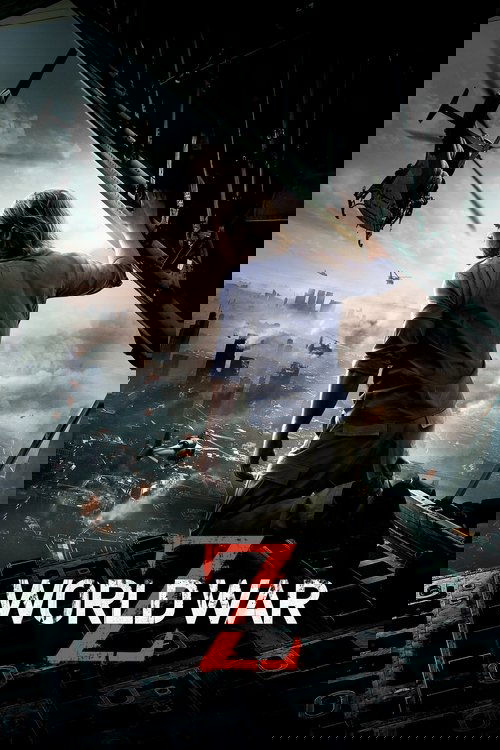
2012
PG-13The film does not prominently feature characters with visible or invisible disabilities as central narrative drivers.
There are no significant depictions of physical or neurodivergent disabilities in the narrative.
There are no prominent depictions of visible or invisible disabilities that drive the central plot or character arcs.
There are no significant representations of visible or invisible disabilities in the film. Characters with disabilities are not used as key plot devices.
The film does not depict any visible or invisible disabilities or neurodivergence. Psychological issues are framed as personal obstacles rather than exploring disability experiences.
The film doesn't show any visible or invisible disabilities. It doesn't address neurodivergence or physical disabilities in its main storylines.
The film does not depict any significant physical, neurodivergent, or mental health disabilities. The only disability shown is the mechanical failure of the aircraft.
There are no prominent depictions of visible or invisible disabilities. No disability-related arcs or plot devices are present in the narrative.
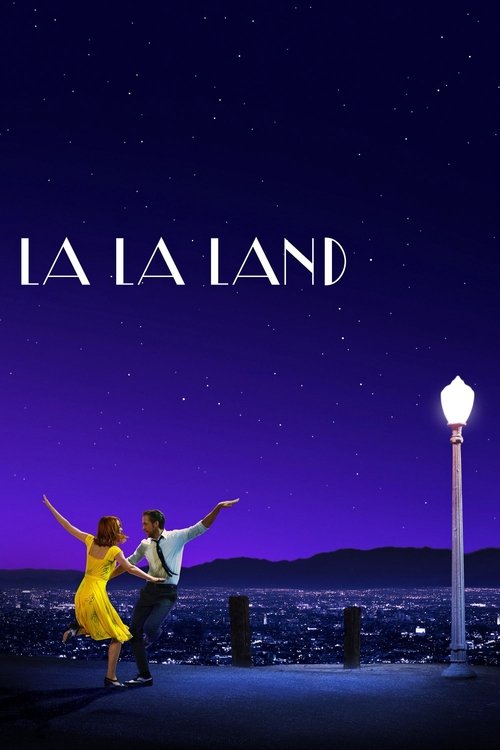
There are no significant depictions of visible or invisible disabilities that influence the narrative or give characters more control over their lives.
There are no prominent or central depictions of visible or invisible disabilities that drive the narrative arc.