
Diamonds Are Forever
1971
No user ratings available yet
Representation score: 0.8 out of 10

Representation Score
Minimal
1973
PGDirector
Guy Hamilton
Runtime
121 minutes
Average Rating
No ratings yetNew Showbiz Analysis
Live and Let Die is a classic 1970s action thriller that upholds traditional social hierarchies. While it offers some visibility through its lead antagonist and international settings, the film remains firmly rooted in conventional gender roles and colonial-era power dynamics. The narrative focuses on the ability to act of the Western protagonist, reinforcing the legitimacy of state-sanctioned intelligence. This emphasis limits the depth of representation for other identities and social structures. Ultimately, the film celebrates Western authority, prioritizing established order over the subversion of social norms.
Category Breakdown
The film does not include any LGBTQ+ characters or explore non-straight relationships. It follows the traditional social norms of its time.
Gender roles remain traditional, with female characters often serving as romantic supports. While Solitaire demonstrates professional skill, her role remains secondary to the male protagonist.
The film provides visibility through Yaphet Kotto’s portrayal of Mr. Big, though his role leans into criminal stereotypes. The Caribbean setting serves as a backdrop for Western espionage.
The narrative emphasizes Western institutional authority and state-sanctioned intelligence. It portrays Western agencies as the main arbiters of justice and stability.
There are no depictions of visible or invisible disabilities. No characters have narratives shaped by physical impairments or neurodivergence.
Present on Screen
Limited or Absent
Official Synopsis
James Bond must investigate a mysterious murder case of a British agent in New Orleans. Soon he finds himself up against a gangster boss named Mr. Big.
1971
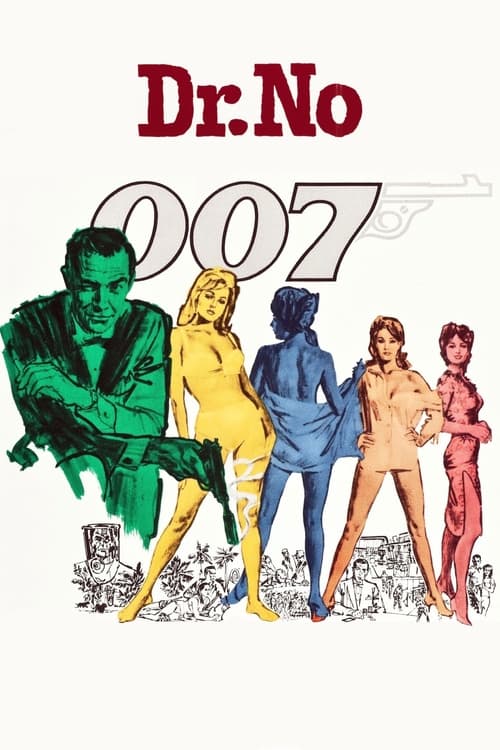
1962
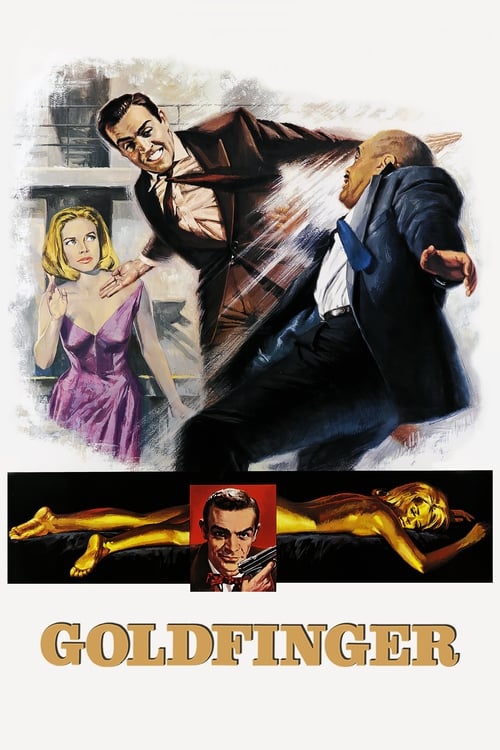
1964

1974

1963

1967

1969

1973
No reviews yet. Be the first to share your thoughts on this movie!
Use the rating form above to leave a star rating and optional review.