
The Passion of the Christ
2004
No user ratings available yet
Representation score: 2.4 out of 10
Representation Score
Minimal
1966
NRDirector
John Huston
Runtime
175 minutes
Average Rating
No ratings yetNew Showbiz Analysis
John Huston’s epic functions as a traditionalist pillar of storytelling, prioritizing the preservation of foundational religious myths. The film's structure reinforces established moral and patriarchal hierarchies rather than challenging them. While the production offers a notable moment of racial visibility through Sidney Poitier, the work remains deeply rooted in a singular, Western-centric religious framework. It lacks representation for LGBTQ+ identities and disability, focusing instead on idealized archetypes. Ultimately, the film serves to validate the sanctity of the covenant and divine obedience, offering little room for social or moral relativism.
Category Breakdown
The film strictly follows biological and social structures, featuring no LGBTQ themes or non-straight relationships.
The narrative emphasizes patriarchal hierarchies. Female characters like Eve are portrayed as catalysts for exile rather than independent agents.
Casting Sidney Poitier as Joseph provides significant visibility for a Black actor. However, broader casting aligns with Western interpretations of ancient Near Eastern ethnicities.
The film centers divine authority and religious law. It promotes a singular moral framework validating the social structures of the biblical era.
Characters are depicted as idealized physical archetypes. There is no focus on neurodivergence, physical disabilities, or chronic illness.
Present on Screen
Limited or Absent
Official Synopsis
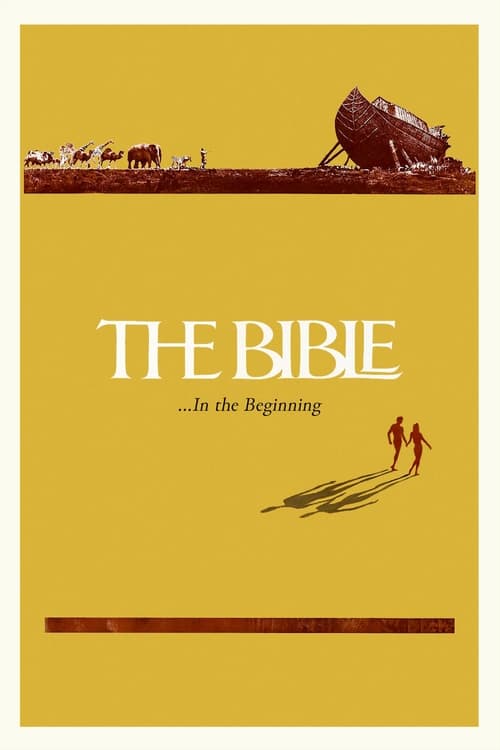
Covering only the first 22 chapters of the Book of Genesis, vignettes include: Adam and Eve frolicking in the Garden of Eden until their indulgence in the forbidden fruit sees them driven out; Cain murdering his brother Abel; Noah building an ark to preserve the animals of the world from the coming flood; and Abraham making a covenant with God.
2004
2003
1956

1979

2006

1965
2023

1953
No reviews yet. Be the first to share your thoughts on this movie!
Use the rating form above to leave a star rating and optional review.