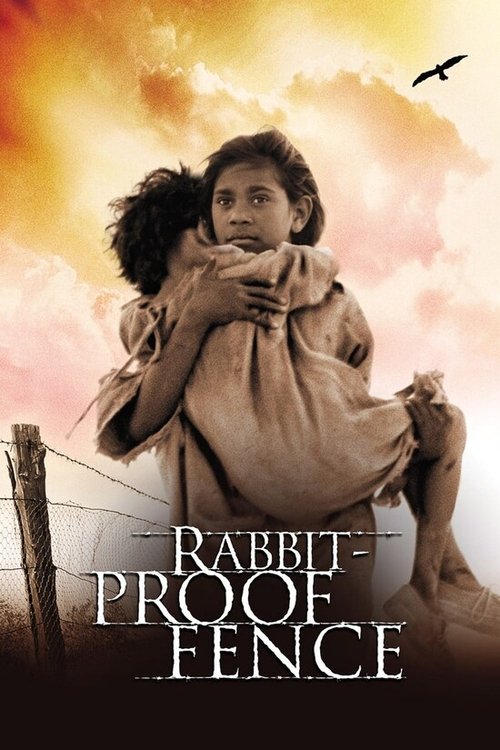
Rabbit-Proof Fence
2002
No user ratings available yet
Representation score: 5.0 out of 10

Representation Score
Good
1960
PG-13Director
Stanley Kubrick
Runtime
197 minutes
Average Rating
No ratings yetNew Showbiz Analysis
Spartacus is a powerful critique of systemic oppression set in a historical context that challenges institutional hierarchies. Its strength lies in its portrayal of a diverse, multi-ethnic enslaved population fighting against a dominant power structure. The film effectively highlights the struggles of underrepresented groups against a corrupt state. This anti-imperialist perspective offers a sophisticated cultural critique that goes beyond a simple historical drama. However, the film remains constrained by the social norms of its time. It lacks LGBTQ+ representation and primarily uses physical trauma to emphasize the violence of the Roman system.
Category Breakdown
The film adheres to a traditional focus on straight relationships and does not include narratives that explore non-cisgender identities or challenge the assumption that everyone is straight or cisgender.
Female characters such as Varinia play significant roles in driving the story and serve as emotional pillars. However, the overall social structure remains rooted in traditional Roman gender hierarchies.
The film portrays the Roman Empire as a multi-ethnic entity by featuring characters from various ethnic backgrounds like Thracians, Gauls, and Germans. This depiction challenges the idea of a homogeneous ruling class.
The narrative presents the slave revolt as a moral necessity against a corrupt and predatory socio-economic hierarchy, functioning as an anti-imperialist critique of the Roman Senate.
Physical trauma is used to illustrate the brutality of the Roman system rather than to explore disability identities. The film does not focus on neurodivergence or specific disability experiences.
Present on Screen
Limited or Absent
Official Synopsis
The rebellious Thracian Spartacus, born and raised a slave, is sold to Gladiator trainer Batiatus. After weeks of being trained to kill for the arena, Spartacus turns on his owners and leads the other slaves in rebellion. As the rebels move from town to town, their numbers swell as escaped slaves join their ranks. Under the leadership of Spartacus, they make their way to southern Italy, where they will cross the sea and return to their homes.
2002
1935
1962
1961
2004
1962
1959
1987
No reviews yet. Be the first to share your thoughts on this movie!
Use the rating form above to leave a star rating and optional review.