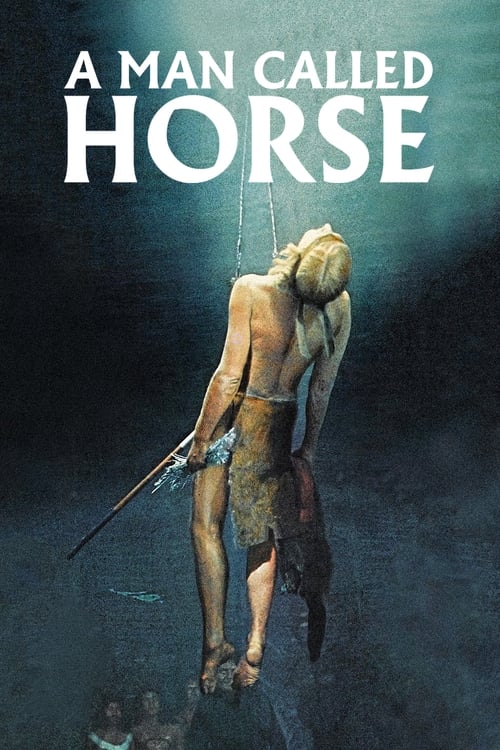
A Man Called Horse
1970
No user ratings available yet
Representation score: 3.1 out of 10

Representation Score
Fair
1970
PGDirector
Arthur Penn
Runtime
139 minutes
Average Rating
No ratings yetNew Showbiz Analysis
Arthur Penn’s revisionist Western dismantles the myth of Manifest Destiny by centering the Cheyenne experience through Jack Crabb. The film challenges the colonialist clichés that have long defined the genre. However, the film’s progressive impact is uneven. While it excels in cultural and racial critique, it offers very little in terms of LGBTQ+ representation or gender diversity, remaining largely tied to traditional social structures. Ultimately, the film is a sophisticated critique of military and religious authority. It uses a postmodern lens to frame historical progress as a series of systemic, violent failures.
Category Breakdown
The film does not explicitly depict queer personas or explore non-straight relationships. It remains focused on traditional 19th-century social norms without challenging assumptions about straight relationships.
The narrative centers around male characters and their experiences during war and displacement. Women are shown within a complex Cheyenne society, but their roles remain secondary to the male-driven plot.
This film breaks the typical white perspective of the Western genre by presenting Indigenous populations as a sovereign, complex society. It avoids relegating Indigenous peoples to mere background elements.
The story provides a deep critique of Western institutions and the concept of American exceptionalism. It portrays the 'civilized' expansion as more irrational and barbaric compared to the societies it displaces.
The film does not prominently feature characters with visible or invisible disabilities as central narrative drivers.
Present on Screen
Limited or Absent
Official Synopsis
Jack Crabb, looking back from extreme old age, tells of his life being raised by Indians and fighting with General Custer.
1970
1941
1990

1972

2015

1970
1970
1975
No reviews yet. Be the first to share your thoughts on this movie!
Use the rating form above to leave a star rating and optional review.