Chisum
1970
No user ratings available yet
Representation score: 1.9 out of 10
Representation Score
Minimal
1962
GDirector
John Ford, George Marshall, Henry Hathaway
Runtime
164 minutes
Average Rating
No ratings yetNew Showbiz Analysis
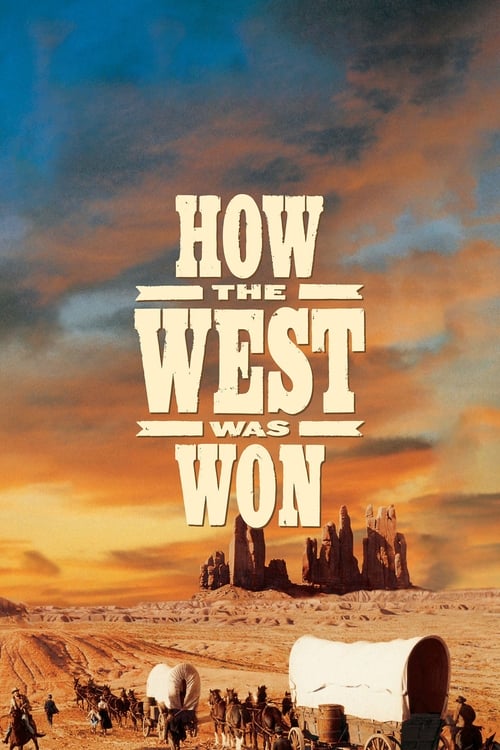
How the West Was Won serves as a foundational text of American exceptionalism. It creates a romanticized vision of national development aligned with mid-century traditionalist values, rather than challenging the systems of power it depicts. The film upholds established social hierarchies by prioritizing the expansion of Western civilization and the stability of the nuclear family. Its narrative structure aims to reinforce a national mythos rather than disrupt it. Ultimately, the film celebrates settler-colonial perspectives, presenting the establishment of structured law and capitalism as necessary triumphs of the frontier.
Category Breakdown
The story focuses solely on traditional pioneer families and does not include any representation of LGBTQ+ identities or non-assuming gender matches what was assigned at birth gender expressions.
Women play important roles within the family but their influence is mostly tied to domestic life. The narrative is driven by male-led expansion and frontier law enforcement.
The film portrays a predominantly white settler population focused on expanding westward. Indigenous peoples are shown mainly as obstacles to progress or part of conflict-driven subplots.
The story emphasizes Western expansion, capitalism, and formal legal systems. It views the transition from wilderness to civilization as inherently positive through patriotism and organized religion.
There are no prominent characters with visible or invisible disabilities. No characters with disabilities are shown to significantly impact the narrative.
Present on Screen
Limited or Absent
Official Synopsis
The epic tale of the development of the American West from the 1830s through the Civil War to the end of the century, as seen through the eyes of one pioneer family.
1970
1965
1948
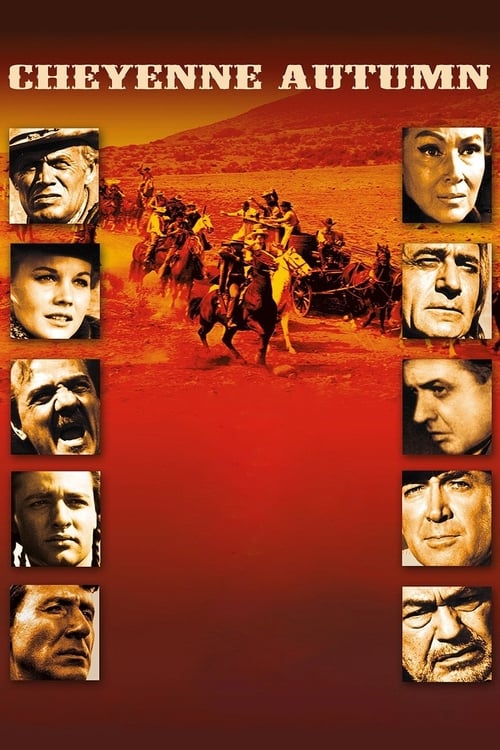
1964
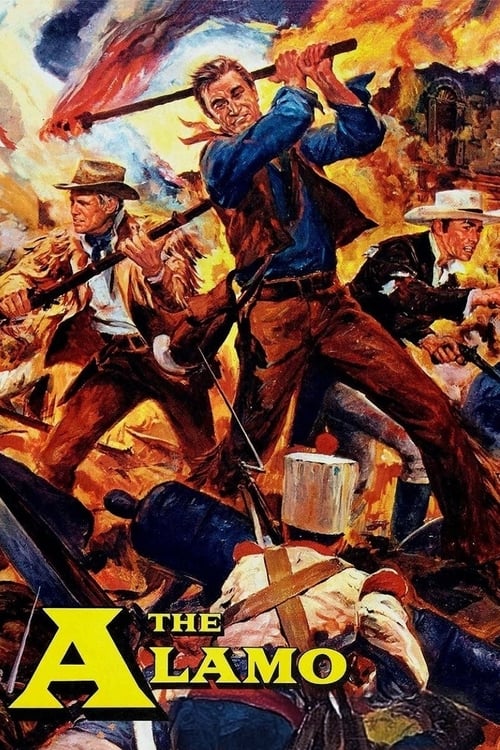
1960
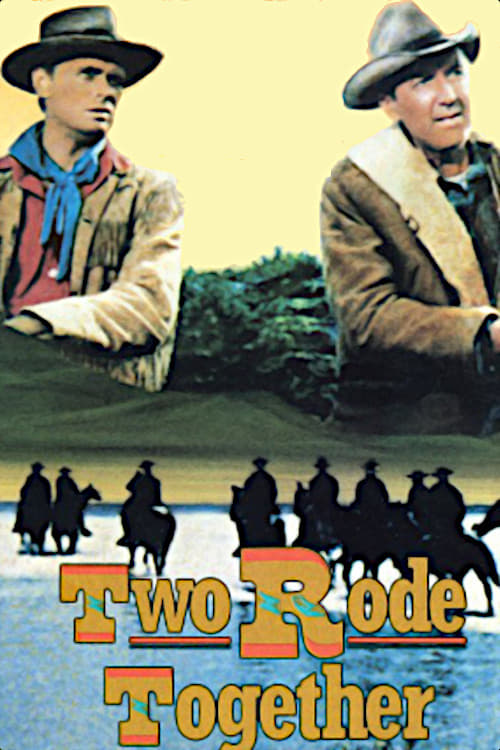
1961

1957
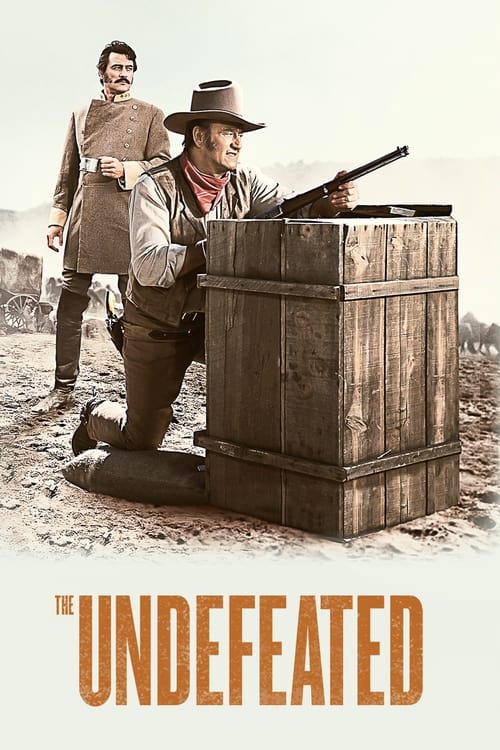
1969
No reviews yet. Be the first to share your thoughts on this movie!
Use the rating form above to leave a star rating and optional review.