Land and Freedom
1995
No user ratings available yet
Representation score: 6.3 out of 10
Representation Score
Excellent
1981
PGDirector
Warren Beatty
Runtime
195 minutes
Average Rating
No ratings yetNew Showbiz Analysis
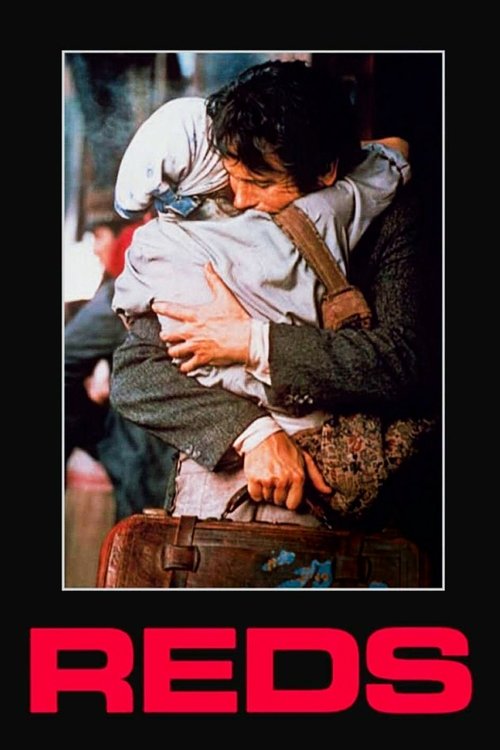
Warren Beatty’s direction creates a sophisticated historical revision that challenges the traditional American Dream. By delving into the complexities of radicalized identities, the film goes beyond a simple period drama into a deeper exploration of systemic conflict. The film stands out by integrating diverse ethnic identities into the heart of the revolutionary struggle. Instead of treating minority characters as secondary, the narrative uses their influence to drive themes of class solidarity and internationalism. While the film lacks LGBTQ+ representation and disability-focused narratives, its strength lies in its critique of Western institutional authority. It replaces a singular, state-sanctioned morality with a nuanced, anti-capitalist perspective.
Category Breakdown
The story focuses on the romantic and intellectual bond between John Reed and Louise Bryant. It does not include explicit depictions of same-sex intimacy or non-cisgender identities, staying within traditional heterosexual norms.
Louise Bryant is shown as a professional peer and intellectual equal rather than a domestic figure. The film challenges traditional gender roles by presenting the central relationship as a partnership of equals.
The film portrays a diverse mix of ethnicities in the early 20th-century labor movement. Jewish, Russian, and African American characters play key roles in exploring internationalism.
The narrative offers a critical look at Western institutions and capitalism. It presents the Bolshevik Revolution through a sympathetic lens, emphasizing social justice.
The film does not focus on visible or invisible disabilities. Characters are defined by their political and socioeconomic status rather than physical or neurodivergent traits.
Present on Screen
Limited or Absent
Official Synopsis
An account of the revolutionary years of the legendary American journalist John Reed, who shared his adventurous professional life with his radical commitment to the socialist revolution in Russia, his dream of spreading its principles among the members of the American working class, and his troubled romantic relationship with the writer Louise Bryant.
1995
1937
2005

1956
1965
2017

1985

2017
No reviews yet. Be the first to share your thoughts on this movie!
Use the rating form above to leave a star rating and optional review.