Casualties of War
1989
No user ratings available yet
Representation score: 3.8 out of 10
Representation Score
Fair
1984
RDirector
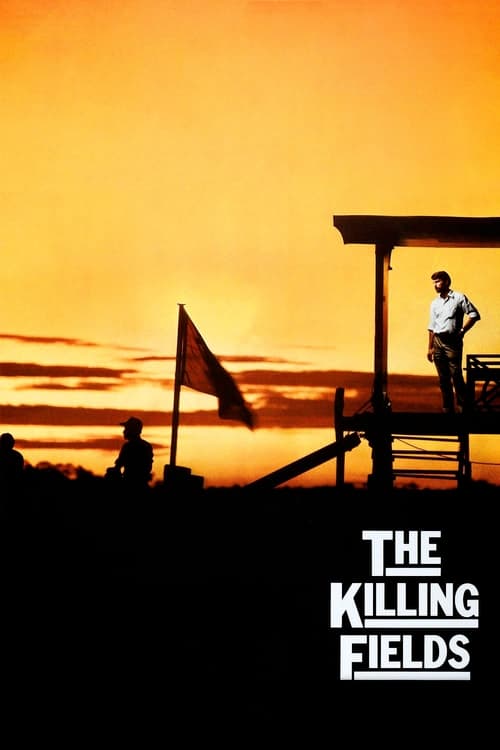
Roland Joffé
Runtime
142 minutes
Average Rating
No ratings yetNew Showbiz Analysis
The Killing Fields is a complex work that balances traditional cinematic structures with progressive thematic depth. It succeeds by refusing to center Western exceptionalism, instead highlighting the ability to act of non-Western individuals during a global collapse. While the film lacks representation in LGBTQ+ and gender-parity categories, it achieves high marks for its post-colonial critique. The narrative effectively uses a specific historical tragedy to challenge the perceived stability of Western institutions. Ultimately, the film's strength lies in its ability to move away from an Anglo-centric viewpoint, focusing instead on the profound human cost of the Khmer Rouge's radical ideology.
Category Breakdown
The film adheres to a traditional framework that assumes everyone is straight or cisgender. There are no visible depictions of LGBTQ+ identities or queer narratives.
The perspective focuses on male-driven action and professional journalism. Women are often shown as victims of systemic issues rather than active plot drivers.
The film excels by centering Dith Pran, a non-Western protagonist. It disrupts the 'Western savior' cliché by highlighting the interdependence between the American reporter and his Cambodian interpreter.
The narrative provides a profound critique of Western interventionism. It portrays the destruction of Buddhism and the forced dissolution of the family unit as systemic atrocities.
The film documents widespread physical and psychological trauma from war. However, these portrayals serve the broader historical tragedy rather than providing individualized ability to act to characters.
Present on Screen
Limited or Absent
Official Synopsis
New York Times reporter Sydney Schanberg is on assignment covering the Cambodian Civil War, with the help of local interpreter Dith Pran and American photojournalist Al Rockoff. When the U.S. Army pulls out amid escalating violence, Schanberg makes exit arrangements for Pran and his family. Pran, however, tells Schanberg he intends to stay in Cambodia to help cover the unfolding story — a decision he may regret as the Khmer Rouge rebels move in.
1989
1983

2017
1993
1986
1997
2004

1959
No reviews yet. Be the first to share your thoughts on this movie!
Use the rating form above to leave a star rating and optional review.