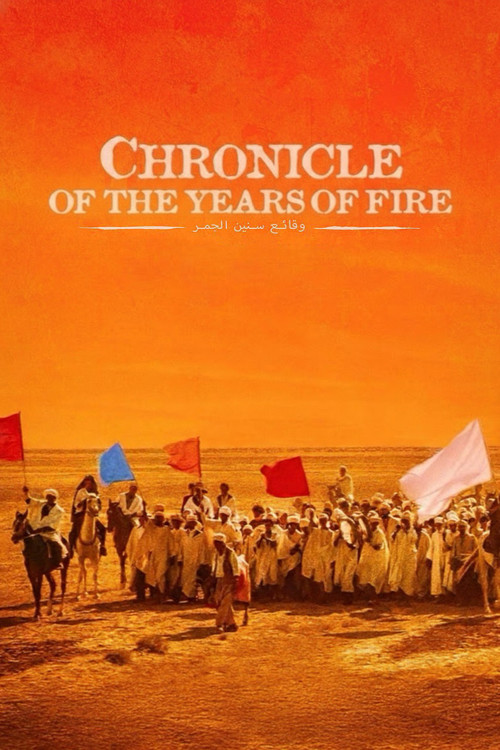
Chronicle of the Years of Fire
1975
No user ratings available yet
Representation score: 3.3 out of 10
Representation Score
Good
1966
NRDirector
Gillo Pontecorvo
Runtime
122 minutes
Average Rating
No ratings yetNew Showbiz Analysis
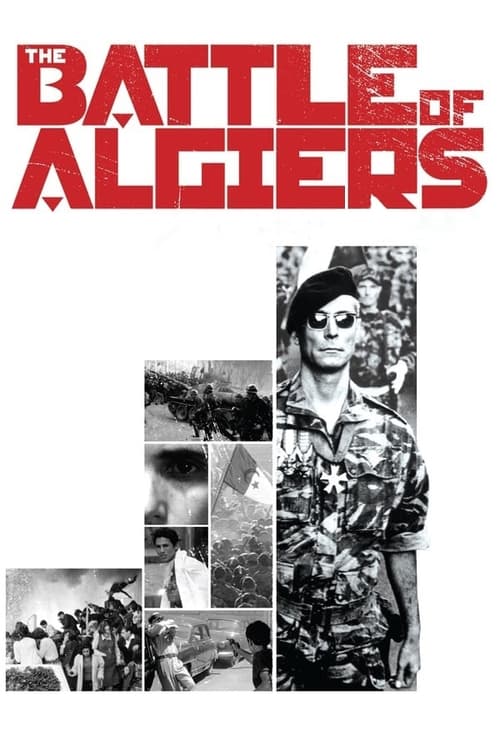
The Battle of Algiers is a landmark of post-colonial cinema that successfully dismantles Eurocentric hierarchies. By focusing on the Algerian struggle and the lived experience of the Casbah, the film grants the colonized population significant narrative ability to act. While the film excels in racial and cultural critique, it remains narrow in its exploration of identity. The absence of LGBTQ+ representation and the lack of character-driven disability narratives limit its multi-layered scope. Ultimately, the film's strength lies in its refusal to frame the conflict through a colonial lens, instead presenting the uprising as a necessary disruption of an unjust status quo.
Category Breakdown
The film does not include any LGBTQ+ characters or narratives. It focuses solely on the geopolitical and ethnic struggle for Algerian sovereignty.
Women play active roles in the resistance, using Western attire to bypass colonial checkpoints, thereby turning gendered performance into political action.
The film centers on the North African indigenous population and the FLN, providing the colonized with significant narrative ability to act and complex character arcs.
It offers a critical look at Western imperialist institutions, avoiding a singular Western moral perspective and instead examining the cyclical violence caused by systemic inequality.
Physical trauma and bodily harm are shown as consequences of urban warfare. These elements reflect political violence rather than exploring disability or neurodivergence as character traits.
Present on Screen
Limited or Absent
Official Synopsis
Former petty criminal Ali la Pointe becomes a commander of the Algerian Front de Liberation Nationale, directing a guerilla insurgency against the colonial French occupation. Paratrooper commander Colonel Phillippe Mathieu, a veteran of World War II and the First Indochina War, is sent to Algeria to reinforce efforts to squelch the uprisings.
1975
1969

1958
1972

1987

1952
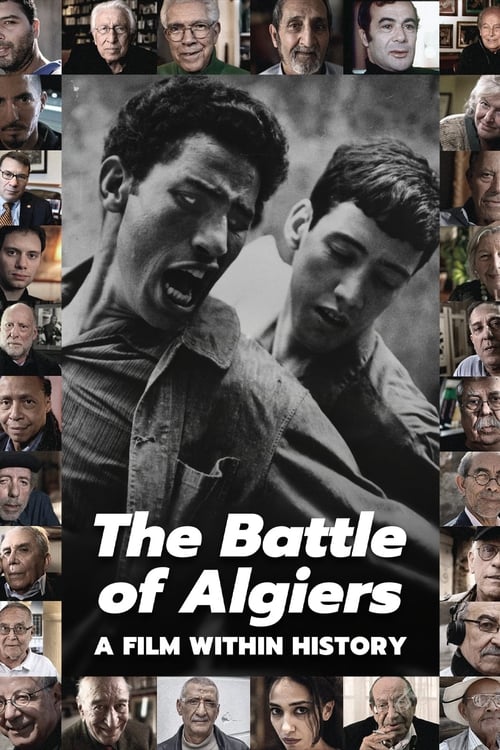
2017
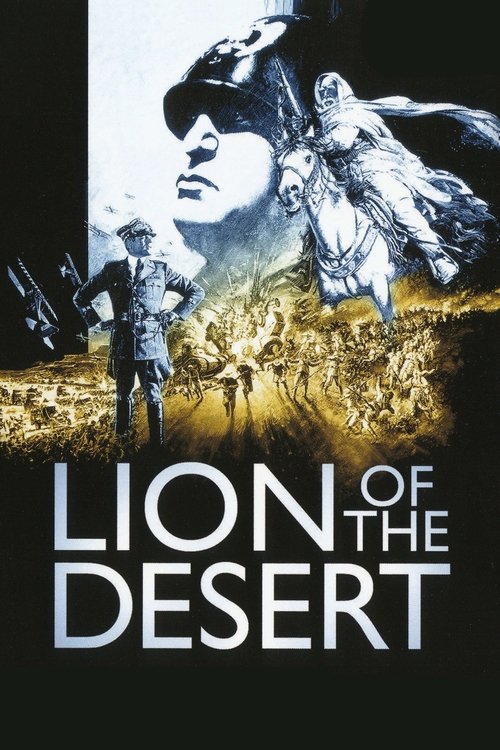
1981
No reviews yet. Be the first to share your thoughts on this movie!
Use the rating form above to leave a star rating and optional review.