
Taste of Cherry
1997
No user ratings available yet
Representation score: 4.3 out of 10
Representation Score
Excellent
1985
Not RatedDirector
Agnès Varda
Runtime
106 minutes
Average Rating
No ratings yetNew Showbiz Analysis
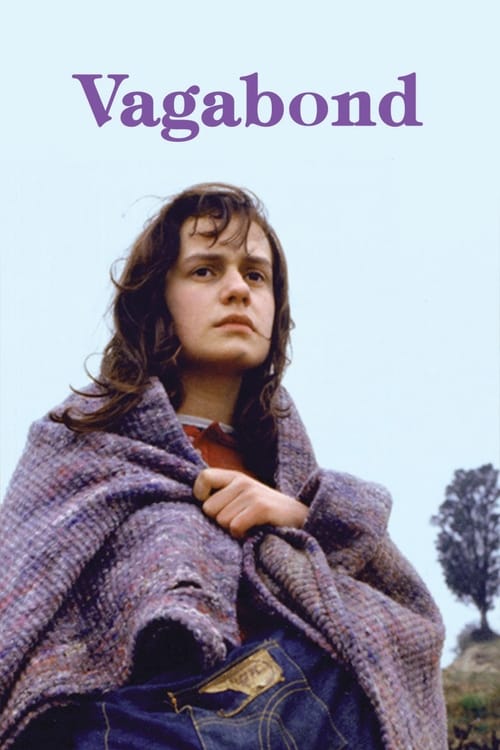
Vagabond is a powerful exploration of autonomy and systemic failure. It stands out by focusing on a woman who rejects patriarchal expectations, using her independence to challenge traditional social hierarchies. This subversion of gender roles forms the core of the film's social commentary. However, the film's scope is limited. The setting remains largely homogeneous, offering little in the way of racial or ethnic diversity. Additionally, the lack of explicit LGBTQ+ identities or specific disability representation narrows the breadth of its social critique. Ultimately, the film's strength lies in its cultural and anti-capitalist perspective. It succeeds as a radical critique of Western norms, even if it does not fully represent diverse identities.
Category Breakdown
The film does not include any explicit LGBTQ+ narratives or characters with non-binary gender identities. It explores unconventional social bonds but does not depict same-sex relationships or queer identities.
Mona challenges traditional gender roles by rejecting domesticity and submissiveness. Her independent spirit directly opposes patriarchal structures and the narrow views of the men she encounters.
Set in rural France, the film depicts a largely homogeneous social environment. It avoids harmful stereotypes but does not cast a diverse range of actors to challenge social norms.
The narrative critiques Western institutions and capitalism. It portrays Mona's nomadic lifestyle as a radical response to consumerist cycles.
The film does not specifically depict physical disabilities or neurodivergent conditions. However, it offers a nuanced look at the psychological impact of social isolation and extreme poverty.
Present on Screen
Limited or Absent
Official Synopsis
Mona Bergeron is dead, her frozen body found in a ditch in the French countryside. From this, the film flashes back to the weeks leading up to her death. Through these flashbacks, Mona gradually declines as she travels from place to place, taking odd jobs and staying with whomever will offer her a place to sleep. Mona is fiercely independent, craving freedom over comfort, but it is this desire to be free that will eventually lead to her demise.
1997
1976

2010
1995

1982
2009

2013

2008
No reviews yet. Be the first to share your thoughts on this movie!
Use the rating form above to leave a star rating and optional review.