
Death Wish II
1982
No user ratings available yet
Representation score: 0.6 out of 10
Representation Score
Minimal
1985
RDirector
Michael Winner
Runtime
90 minutes
Average Rating
No ratings yetNew Showbiz Analysis
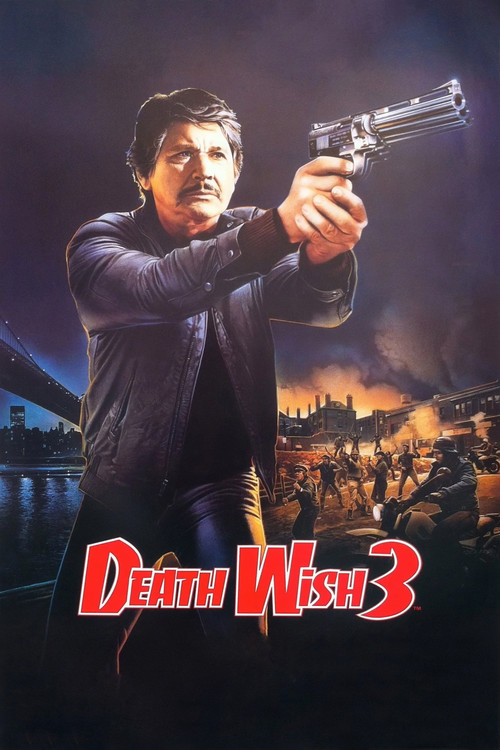
Death Wish 3 exemplifies reactionary action cinema by reinforcing traditional social hierarchies and glorifying hyper-masculine, extrajudicial actions. The film avoids complex social dynamics, focusing instead on a binary conflict between a lone male protagonist and a disorganized criminal element. This structure upholds conventional power dynamics without challenging them.
Category Breakdown
The film does not include any LGBTQ+ characters or non-cisgender identities. It focuses on traditional masculine roles.
Gender roles are strictly enforced through the hyper-masculine actions of the main character, Paul Kersey. Female characters are limited to supporting roles, often serving as victims or catalysts for the protagonist’s violent behavior.
The cast is mostly white, with a focus on a localized urban conflict. The film lacks nuanced racial dynamics and diverse casting.
The narrative aligns with reactionary values, promoting individualistic, paramilitary justice over state institutions. It upholds a rigid moral code where extreme violence is seen as necessary.
There is no meaningful representation of physical or neurodivergent disabilities. Characters are defined by their capacity for violence or their status as victims.
Present on Screen
Limited or Absent
Official Synopsis
Architect/vigilante Paul Kersey arrives back in New York City and is forcibly recruited by a crooked police chief to fight street crime caused by a large gang terrorizing the neighborhoods.
1982
1974
1994
1973
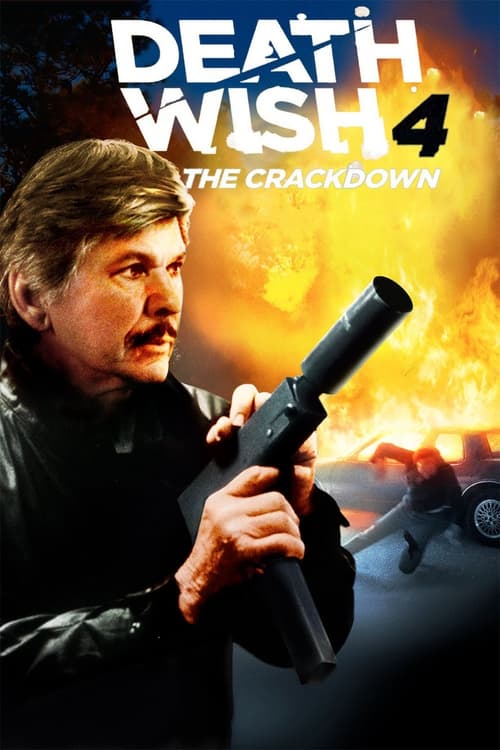
1987

1973
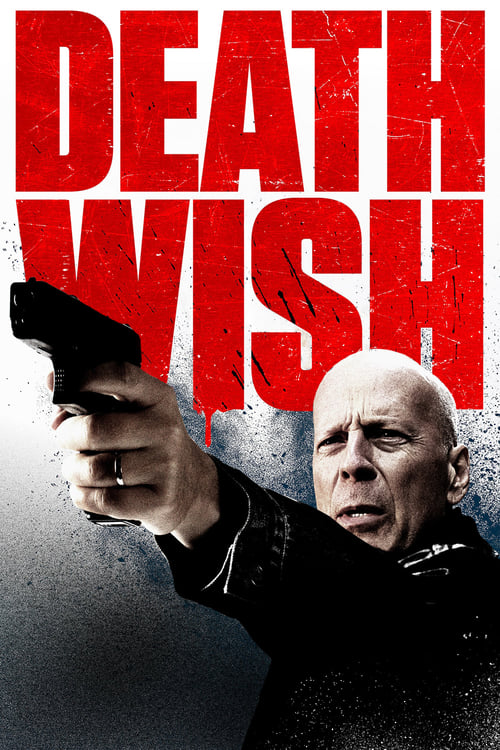
2018
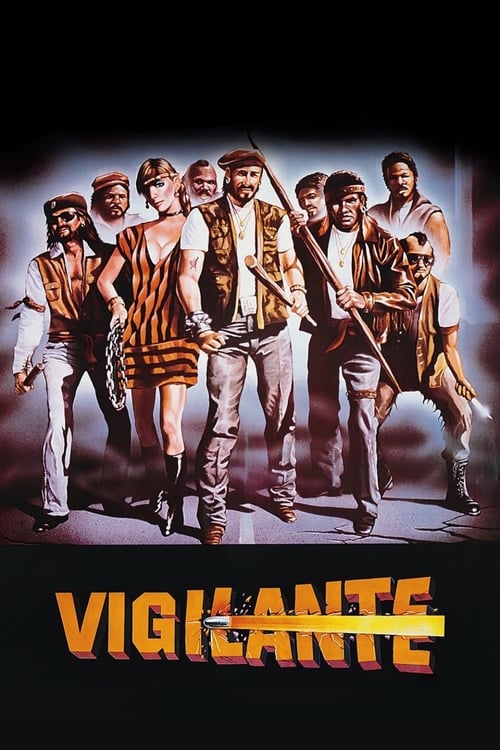
1983
No reviews yet. Be the first to share your thoughts on this movie!
Use the rating form above to leave a star rating and optional review.