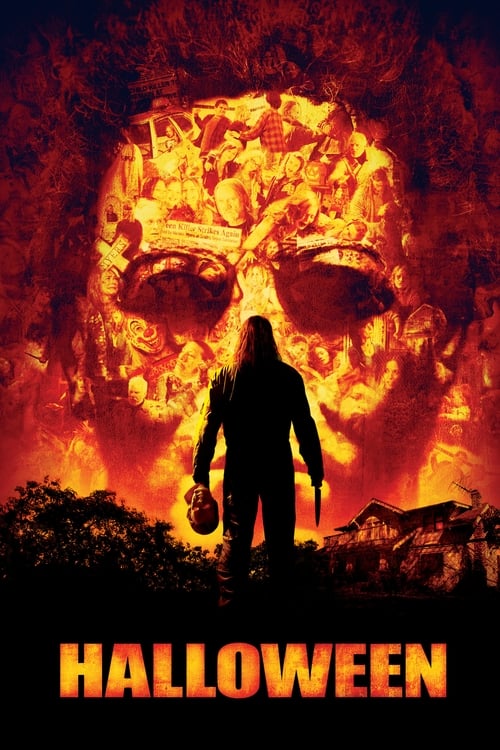
Halloween
2007
No user ratings available yet
Representation score: 3.3 out of 10

Representation Score
Limited
1981
RDirector
Rick Rosenthal
Runtime
92 minutes
Average Rating
No ratings yetNew Showbiz Analysis
Halloween II is a quintessential product of the early 1980s slasher era. It prioritizes genre-specific tension and established clichés over the integration of diverse narratives or social subversion. The film maintains a highly homogeneous demographic profile, lacking racial, ethnic, or LGBTQ+ diversity. Its narrative structure adheres to conventional social hierarchies and traditional binary frameworks. While the film features a strong female protagonist, its depiction of institutional failure and mental health is driven by horror requirements rather than nuanced or progressive representation.
Category Breakdown
The film operates within a strictly heterosexual and cisgender framework. There is no presence of LGBTQ+ identities or same-sex relationships.
Laurie Strode serves as a central female lead with significant survival ability to act. However, the narrative relies on traditional 'final girl' clichés centered on enduring trauma.
The cast is highly homogeneous, reflecting a mid-western suburban setting. There is a notable absence of racial or ethnic diversity among primary and secondary characters.
The story follows a traditional moral dichotomy of victim versus aggressor. It lacks systemic critiques of Western institutions or any engagement with moral relativism.
The psychiatric hospital setting uses mental instability as an atmospheric horror tool. Characters lack meaningful ability to act and are used primarily as functional plot devices.
Present on Screen
Limited or Absent
Official Synopsis
After failing to kill stubborn survivor Laurie and taking a bullet or six from former psychiatrist Dr. Sam Loomis, Michael Myers has followed Laurie to the Haddonfield Memorial Hospital, where she's been admitted for Myers' attempt on her life. The institution proves to be particularly suited to serial killers, however, as Myers cuts, stabs and slashes his way through hospital staff to reach his favorite victim.
2007
1990
2009
1982
1981
1984

1980

1988
No reviews yet. Be the first to share your thoughts on this movie!
Use the rating form above to leave a star rating and optional review.