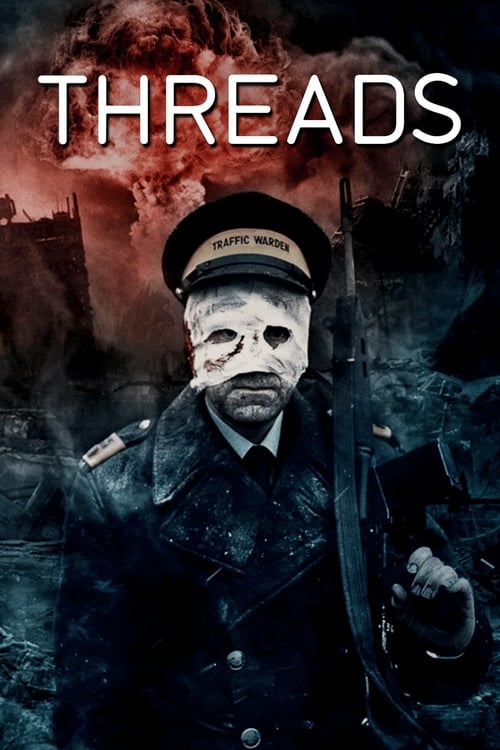
Threads
1984
No user ratings available yet
Representation score: 5.3 out of 10
Representation Score
Limited
1986
16+Director
Jimmy T. Murakami
Runtime
84 minutes
Average Rating
No ratings yetNew Showbiz Analysis
The film is a focused, localized character study that prioritizes a specific cultural and historical critique over broad demographic representation. Its strength lies in its subversive take on institutional power and the failure of state-sponsored guidance. While the narrative excels at challenging Western authority and traditional wartime heroism, it remains narrow in its social scope. The focus on a homogeneous, traditional British couple limits the film's multi-layered depth. Ultimately, the work functions more as a political and systemic critique than a diverse social tapestry, using a singular domestic lens to examine the devastating impact of modern warfare.
Category Breakdown
The story centers on a traditional heterosexual pairing. There is no evidence of queer undertones or non-binary gender identities within the domestic setting.
The film explores gender roles through a couple facing systemic vulnerability. The female character's significant role is tied to domestic preparation, driving the plot's tragic momentum.
The narrative depicts a homogeneous British couple. It focuses on a localized cultural experience with little to no racial or ethnic diversity.
The film offers a sharp critique of institutional reliability. It deconstructs state authority by contrasting romanticized wartime memories with the grim reality of nuclear warfare.
The characters are elderly, which may involve physical decline. However, no specific neurodivergence or clinical disability is used as a primary narrative device.
Present on Screen
Limited or Absent
Official Synopsis
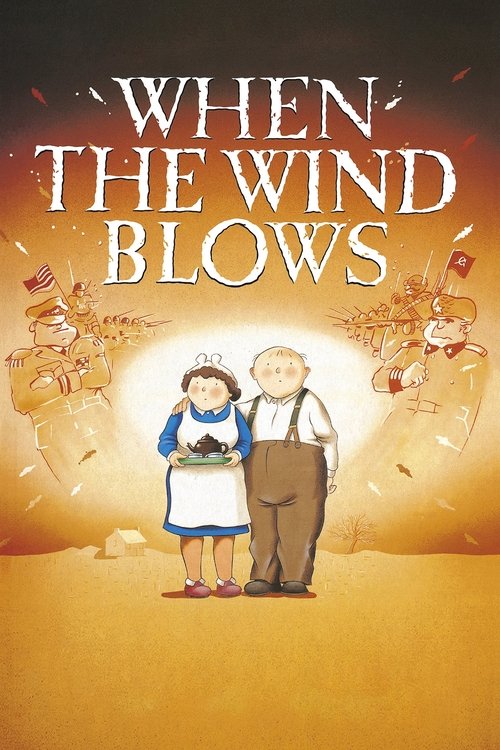
With the help of government-issued pamphlets, an elderly British couple build a shelter and prepare for an impending nuclear attack, unaware that times and the nature of war have changed from their romantic memories of World War II.
1984
1983

1952
1966
1962
2016
1985
1983
No reviews yet. Be the first to share your thoughts on this movie!
Use the rating form above to leave a star rating and optional review.