The Bridge at Remagen
1969
No user ratings available yet
Representation score: 0.8 out of 10
Representation Score
Minimal
1980
PGDirector
Don Taylor
Runtime
103 minutes
Average Rating
No ratings yetNew Showbiz Analysis
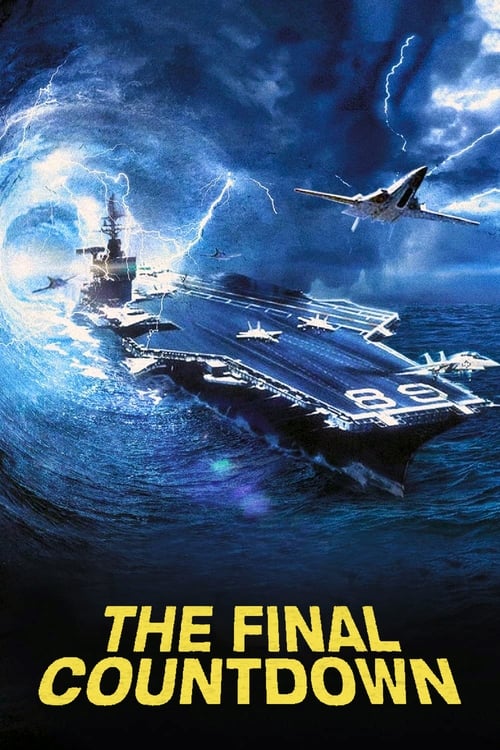
The Final Countdown functions as a traditionalist piece of speculative fiction that prioritizes historical fidelity and military proceduralism. It seeks to affirm existing power structures and Western values rather than deconstruct them. The film's narrative architecture is built around the technological and strategic capabilities of the Western military apparatus. By focusing on the competence of male officers and the chain of command, it reinforces established institutional hierarchies. Ultimately, the film operates within the standard social parameters of 1980s action cinema. It avoids exploring multiple aspects of identity in favor of a binary moral struggle between Allied and Axis powers.
Category Breakdown
The film follows a strictly straight-centered structure centered on military camaraderie. There are no queer identities or subtext present in the narrative.
The story reinforces traditional hierarchies by focusing almost exclusively on male leadership. Female characters are minimal and relegated to the periphery of the conflict.
The cast is largely homogeneous, reflecting the demographic makeup of the 1980s US Navy. It lacks diverse ensembles or race-bent casting to challenge social constraints.
This is a staunchly pro-Western narrative that upholds military institutions as pillars of stability. The moral framework presents a binary struggle between order and chaos.
There is no focus on neurodivergence, physical disabilities, or mental health. Characters are defined solely by their peak physical and operational military readiness.
Present on Screen
Limited or Absent
Official Synopsis
During routine manoeuvres near Hawaii in 1980, the aircraft-carrier USS Nimitz is caught in a strange vortex-like storm, throwing the ship back in time to 1941—mere hours before the Japanese attack on Pearl Harbor.
1969
1972

1984
1976

2015

2008

1990
2008
No reviews yet. Be the first to share your thoughts on this movie!
Use the rating form above to leave a star rating and optional review.