Anne of Green Gables
2016
No user ratings available yet
Representation score: 1.2 out of 10
Representation Score
Minimal
1980
Director
Jack Gold
Runtime
103 minutes
Average Rating
No ratings yetNew Showbiz Analysis
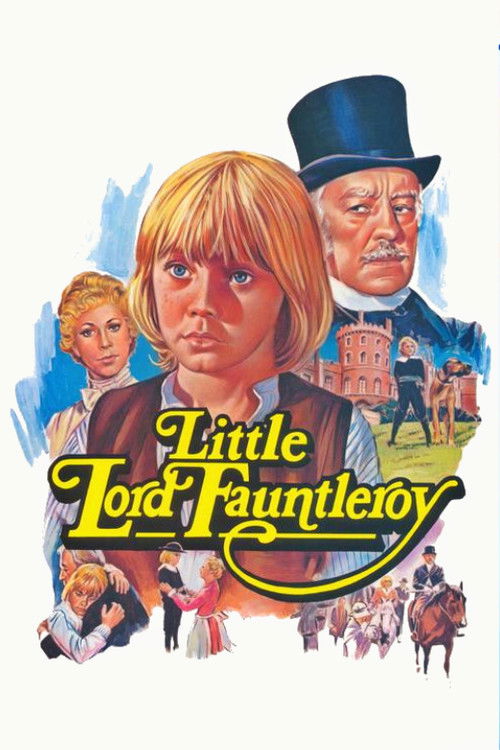
Jack Gold's direction centers on classical storytelling and period-accurate social hierarchies. The film functions as a traditional period piece that prioritizes the preservation of lineage and the stability of the aristocracy. Instead of challenging established norms, the narrative reinforces traditional social and cultural structures. It adheres to conventional gender roles and moral frameworks typical of the 19th-century setting. Overall, the production lacks the intentionality to disrupt traditional clichés, maintaining the status quo of its source material's era.
Category Breakdown
The film does not include any visible or implied LGBTQ+ identities or non-cisgender gender expressions.
The film upholds traditional gender roles, with Cedric's mother serving as a nurturing figure rather than a disruptor of patriarchal structures.
The cast is predominantly white, reflecting the Anglo-Saxon social structures of the 19th-century aristocracy.
The story emphasizes traditional Western institutions and Christian morality, focusing on the protagonist's integration into the landed aristocracy.
There are no prominent depictions of visible or invisible disabilities in the film.
Present on Screen
Limited or Absent
Official Synopsis
Young Cedric Errol and his widowed mother live in genteel poverty in 1880s Brooklyn after the death of his father. Cedric's grandfather, the Earl of Dorincourt, has long ago disowned his son for marrying an American. But after the death of the Earl's remaining son, he decides to accept Cedric as his heir.
2016
1985
1962

2008
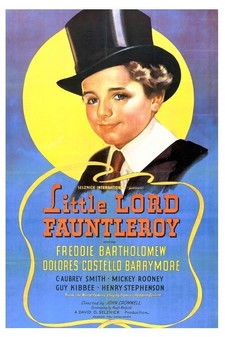
1936
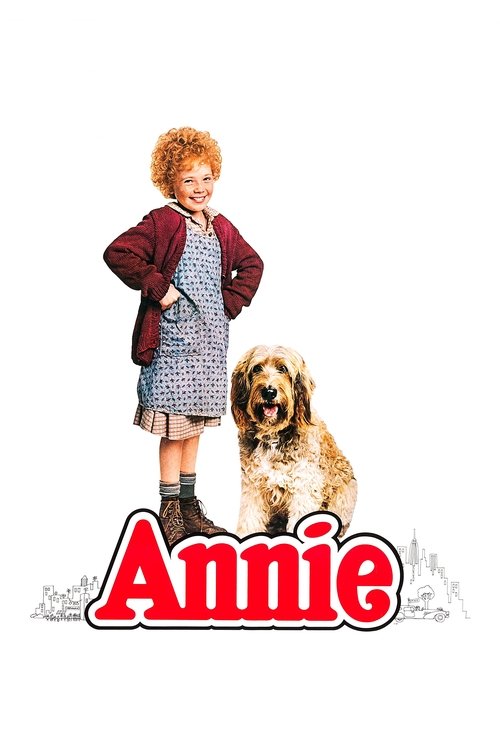
1982
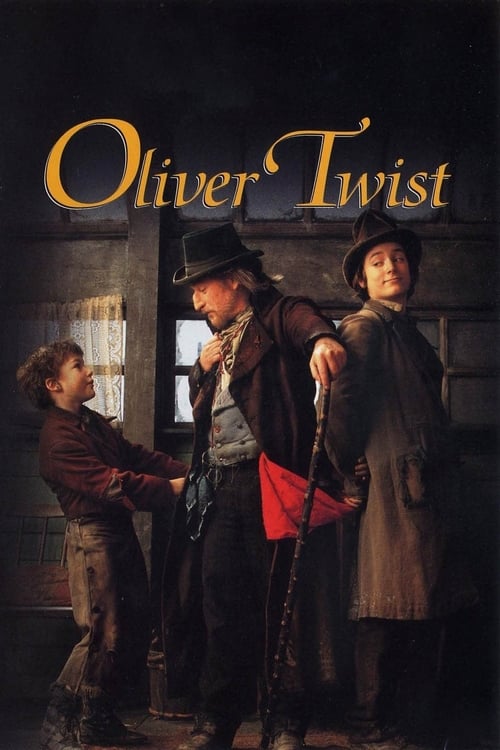
1997
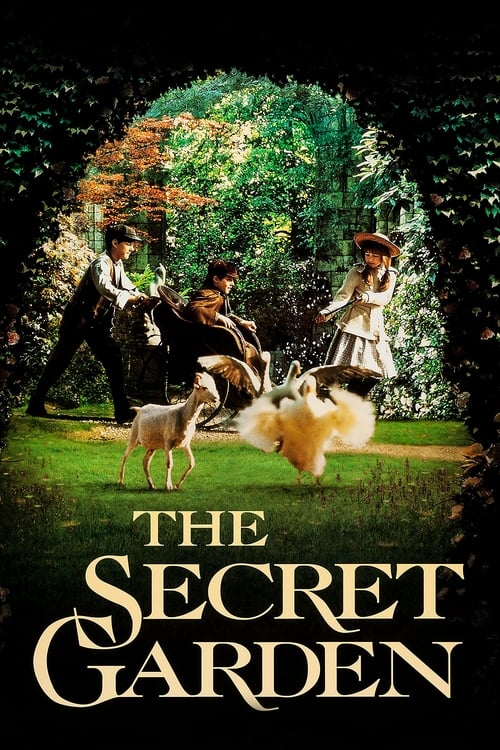
1993
No reviews yet. Be the first to share your thoughts on this movie!
Use the rating form above to leave a star rating and optional review.