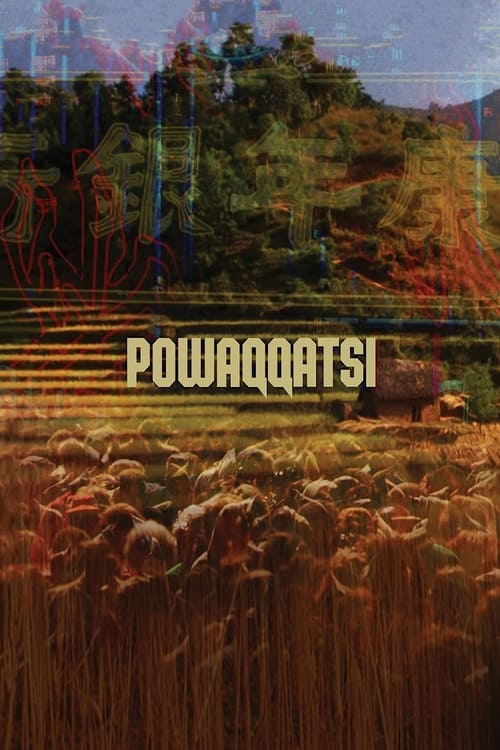
Powaqqatsi
1988
No user ratings available yet
Representation score: 4.3 out of 10
Representation Score
Fair
1983
NRDirector
Godfrey Reggio
Runtime
86 minutes
Average Rating
No ratings yetNew Showbiz Analysis
Koyaanisqatsi is a visual tone poem that prioritizes systemic critique over individual identity. By using non-narrative, avant-garde techniques, it breaks down traditional cinematic structures to examine the impact of modern technology on the environment. The film stands out in cultural representation by challenging the inevitability of capitalist growth. It uses a global perspective to highlight technological advancement as a destabilizing force, effectively questioning Western-centric narratives of progress. However, the absence of character-driven storytelling leads to lower scores in identity-based categories. Since the focus is on the collective rather than the individual, specific representations of gender, disability, and LGBTQ+ identities are missing.
Category Breakdown
The film doesn't show any LGBTQ+ identities or personal stories. It focuses on the collective human experience through visual sequences, avoiding individual character development.
The film presents humanity as a mechanized whole, avoiding typical gender roles like masculine leadership or feminine domesticity. However, the lack of specific roles for individuals prevents a higher score.
The film includes diverse populations in urban settings through visual montages. The Hopi title adds cultural depth by emphasizing Indigenous concepts.
The film critiques Western industrialism and capitalism, focusing on environmental ethics over traditional Western values and the idea of progress.
The film doesn't depict neurodivergence or physical disabilities. It views the human body as part of a larger mechanical system.
Present on Screen
Limited or Absent
Official Synopsis
Takes us to locations all around the US and shows us the heavy toll that modern technology is having on humans and the earth. The visual tone poem contains neither dialogue nor a vocalized narration: its tone is set by the juxtaposition of images and the exceptional music by Philip Glass.
1988
2002
2011

1992
1992

2006

1991
2016
No reviews yet. Be the first to share your thoughts on this movie!
Use the rating form above to leave a star rating and optional review.