The Immortal One
1963
No user ratings available yet
Representation score: 5.3 out of 10
Representation Score
Fair
1968
NRDirector
Pier Paolo Pasolini
Runtime
95 minutes
Average Rating
No ratings yetNew Showbiz Analysis
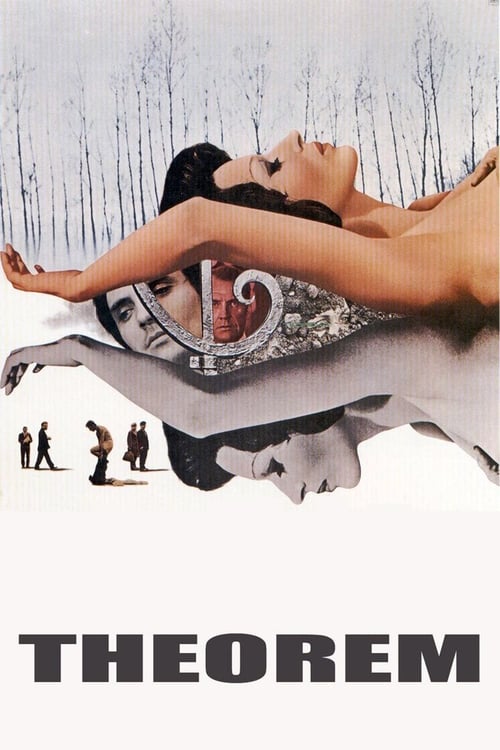
Pasolini’s work serves as a metaphysical disruption of the mid-century bourgeois family structure. By introducing a divine stranger, the film dismantles established social hierarchies and replaces domestic stability with existential flux. The film excels in its institutional critique, challenging the sanctity of capitalism and the nuclear family. It uses a singular, disruptive event to expose the systemic fragility of the established Western order. However, the film’s narrow socio-economic focus limits its broader multi-layered scope.
Category Breakdown
The film incorporates LGBTQ themes into its philosophical foundation. It uses homoerotic undertones and non-traditional male roles to challenge traditional gender roles and expectations.
Women in the film lose their traditional roles as homemakers. Instead of maintaining household stability, they experience dramatic changes that lead to the dissolution of their social identities.
The story focuses on a homogeneous Italian upper-middle-class setting. It lacks diverse racial representation, concentrating on class and spiritual identity within a specific socioeconomic context.
The film provides a critical look at Western institutions like capitalism and organized religion. It portrays the bourgeois lifestyle as spiritually empty and the divine as a disruptive, non-moral force.
There are no characters with visible or invisible disabilities in the film. The narrative centers on the psychological and spiritual transformation of the main family members.
Present on Screen
Limited or Absent
Official Synopsis
A wealthy Italian household is turned upside down when a handsome stranger arrives, seduces every family member and then disappears. Each has an epiphany of sorts, but none can figure out who the seductive visitor was or why he came.
1963

1960
1970

1983
1970
1965

1972

1990
No reviews yet. Be the first to share your thoughts on this movie!
Use the rating form above to leave a star rating and optional review.