
Salaam Bombay!
1988
No user ratings available yet
Representation score: 7.4 out of 10

Representation Score
Good
1980
TV-MADirector
Héctor Babenco
Runtime
127 minutes
Average Rating
No ratings yetNew Showbiz Analysis
Pixote is a landmark of social realism that examines systemic failure through a post-colonial lens. It centers the non-Anglo-Saxon experience and provides an authentic depiction of the Brazilian urban underclass. The film's strength lies in its refusal to offer moral comfort, instead deconstructing Western institutional morality. By portraying the police and justice systems as corrupt and punitive, it highlights how state structures fail the most vulnerable. While the film excels in ethnic and cultural authenticity, it remains heavily focused on a hyper-masculine landscape. The inclusion of a trans character adds depth, but the broader gender representation remains limited by the environment's harsh realities.
Category Breakdown
Lilica, a 17-year-old transgender hustler, adds layers of complexity to the story. Her presence challenges the hyper-masculine environment and helps the group escape.
The film operates within a hyper-masculine framework reflecting harsh socioeconomic realities. It avoids traditional clichés by portraying male authority and masculinity as fractured, violent, and ineffective.
The cast authentically reflects the racial composition of São Paulo favelas. Using non-professional actors from underrepresented backgrounds ensures the representation is grounded in lived experience.
The narrative offers a profound critique of state institutions and the nuclear family. It frames crime as an inevitable outcome of systemic deprivation and socioeconomic hierarchy.
There is no significant evidence regarding the portrayal of physical or neurodivergent disabilities as central narrative drivers.
Present on Screen
Limited or Absent
Official Synopsis
10-year-old Pixote endures torture, degradation, and corruption at a local youth detention center where two of its members are murdered by policemen who frame Lilica, a 17-year-old trans hustler. Pixote helps Lilica and three other boys escape and they start to make their living by a life of crime which only escalates to more violence and death.
1988

2017
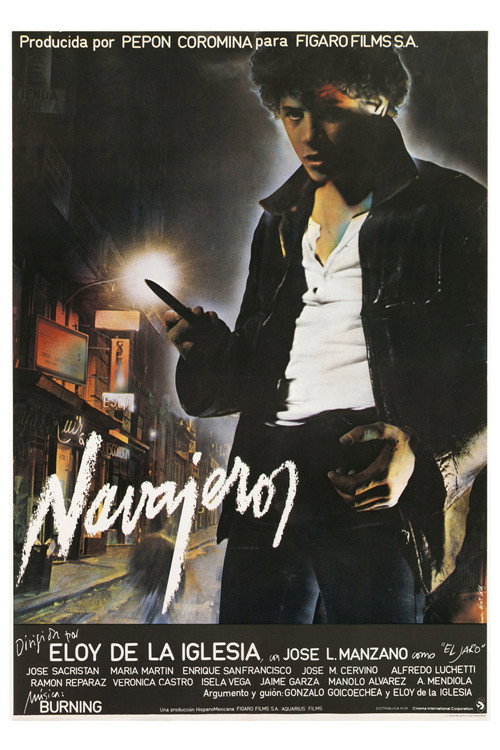
1980

1979
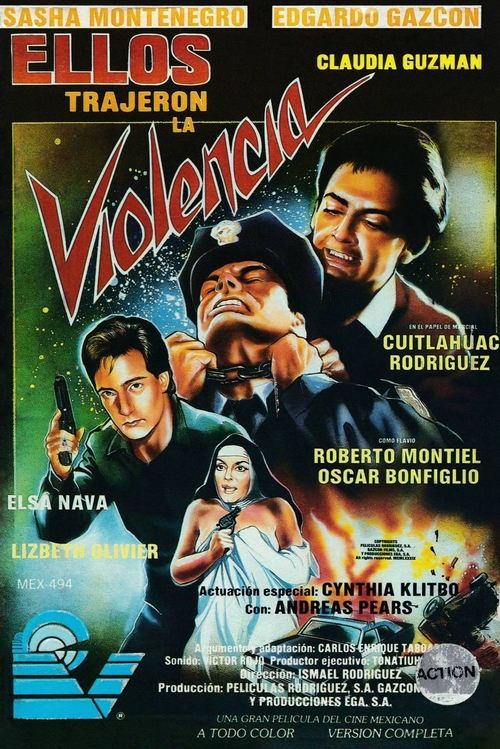
1990
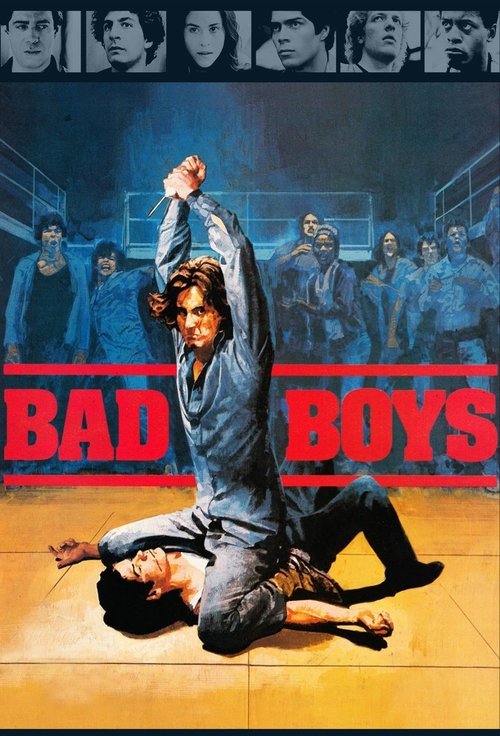
1983

2016
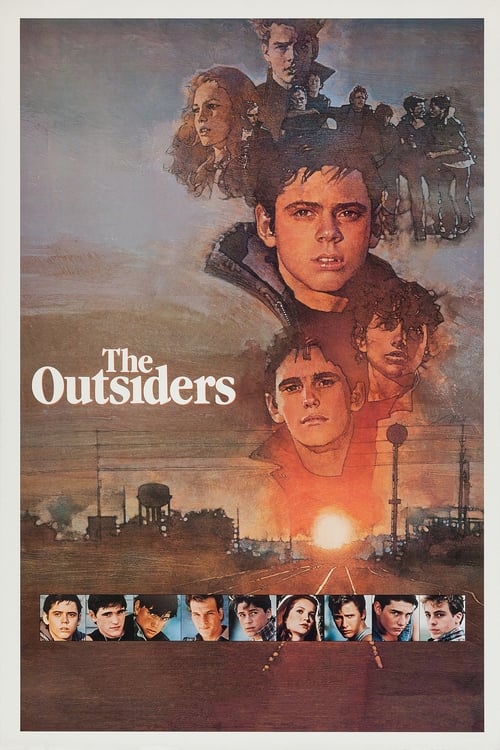
1983
No reviews yet. Be the first to share your thoughts on this movie!
Use the rating form above to leave a star rating and optional review.