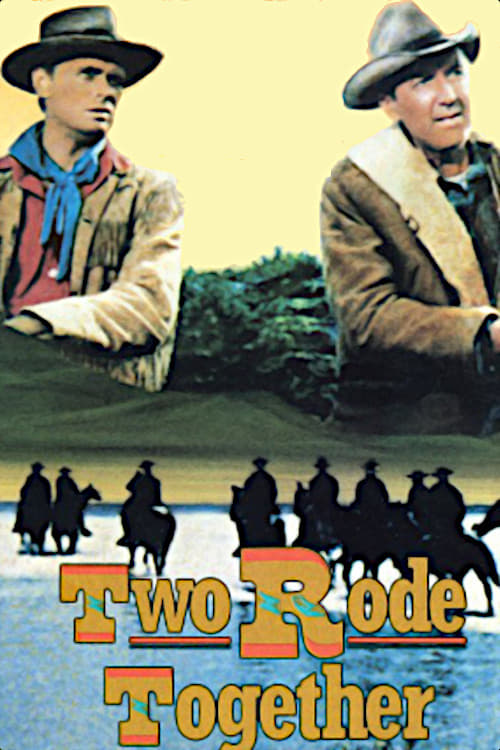
Two Rode Together
1961
No user ratings available yet
Representation score: 2.0 out of 10
Representation Score
Minimal
1971
PG-13Director
George Sherman
Runtime
110 minutes
Average Rating
No ratings yetNew Showbiz Analysis
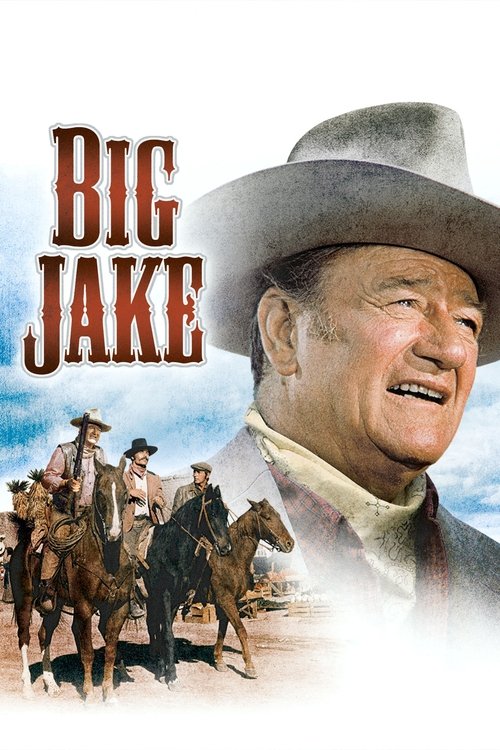
Big Jake is a traditional Western that emphasizes a hero-centric structure and established social hierarchies. The film focuses on a classic masculine protector archetype and individualist justice within a frontier context. The narrative lacks diversity, presenting a homogeneous demographic and a moral framework that reinforces conventional social structures. It avoids challenging systemic power dynamics, instead favoring a clear hero/villain dichotomy. Overall, the film upholds traditional values without providing much representation of underrepresented identities or diverse cultural perspectives.
Category Breakdown
The film does not include any LGBTQ+ characters or identities outside of traditional heterosexual relationships. The story stays within conventional social structures.
Men play the primary roles in the story through physical combat, while women have limited involvement and mostly serve in domestic or supporting roles.
The cast is made up mainly of white settlers and outlaws, with no significant roles for characters of color or multi-layered backgrounds.
The narrative emphasizes traditional Western values and individual moral codes, reinforcing patriarchal and frontier social structures.
The film does not depict any physical or neurodivergent disabilities. Characters are defined by their physical abilities and combat skills.
Present on Screen
Limited or Absent
Official Synopsis
An aging Texas cattle man who has outlived his time swings into action when outlaws kidnap his grandson.
1961

1957
1970
1959
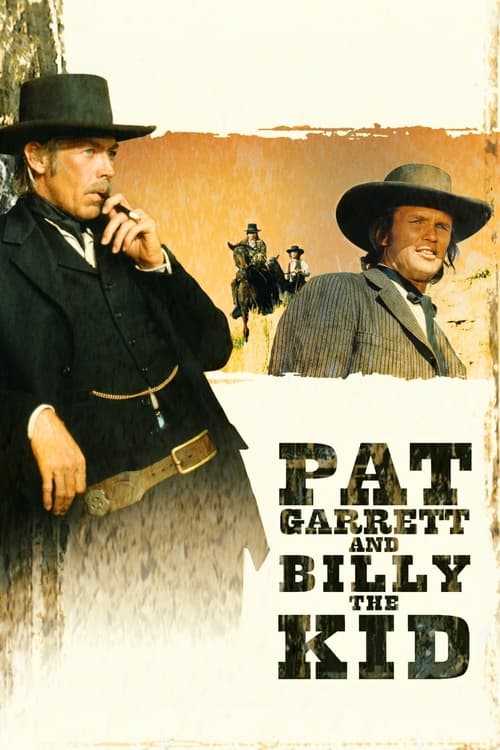
1973
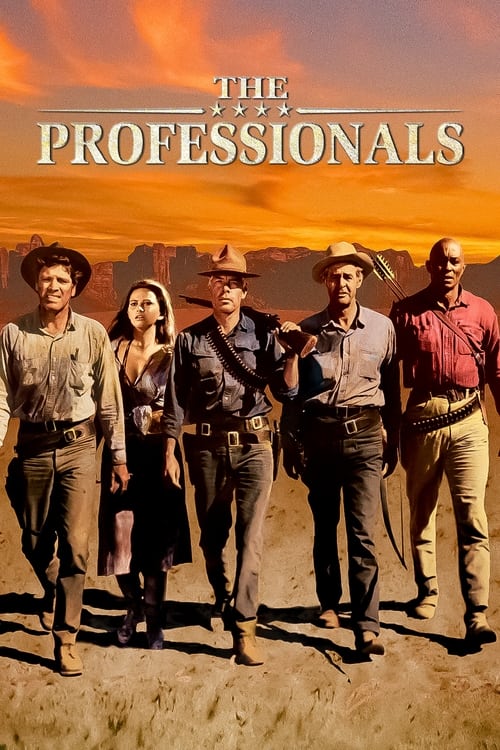
1966
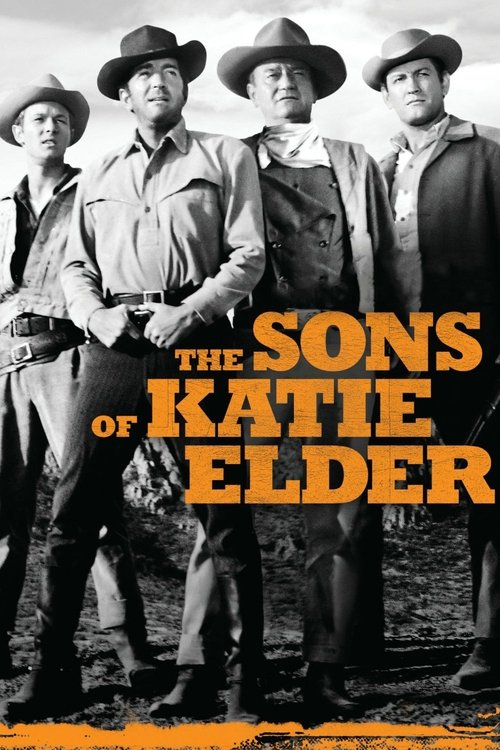
1965
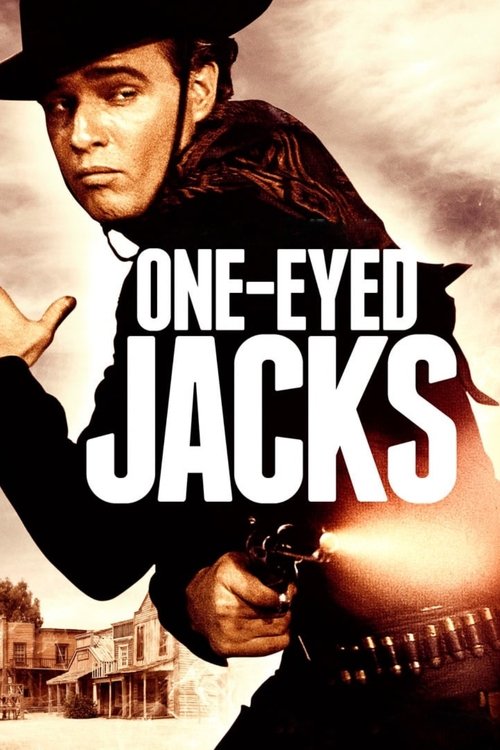
1961
No reviews yet. Be the first to share your thoughts on this movie!
Use the rating form above to leave a star rating and optional review.