Taking Woodstock
2009
No user ratings available yet
Representation score: 5.7 out of 10
Representation Score
Excellent
1979
PGDirector
Miloš Forman
Runtime
121 minutes
Average Rating
No ratings yetNew Showbiz Analysis
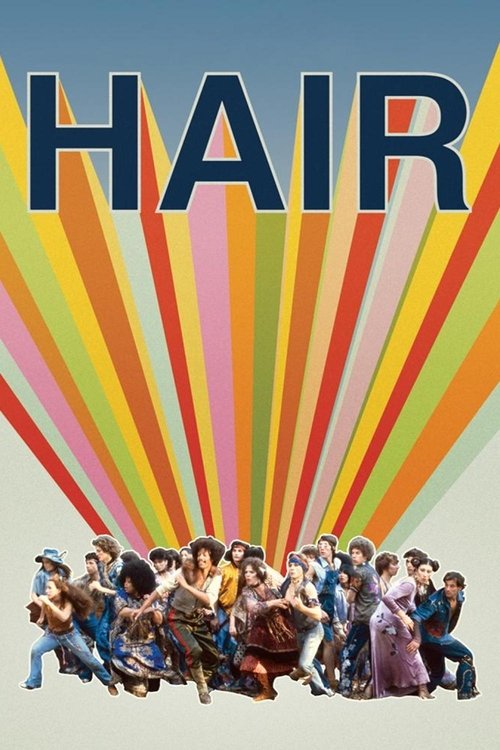
Miloš Forman’s *Hair* acts as a powerful deconstruction of mid-century institutional stability. By centering a counter-culture collective, the film challenges the dominance of the American establishment and traditional social hierarchies. The film excels in its portrayal of gender and cultural identity, presenting a world where sexual fluidity and women's ability to drive the story are central. Its anti-imperialist stance and critique of the nuclear family provide a rich, subversive narrative framework. However, the film's focus remains heavily weighted toward socio-political rebellion. While it captures the diverse demographic shifts of the era, it offers little depth regarding physical or neurodivergent representation.
Category Breakdown
The film explores sexual fluidity and non-traditional gender expressions as natural parts of the communal experience. It presents sexual liberation as a communal norm rather than a deviation from the status quo.
Female characters have high levels of autonomy regarding their social and sexual lives. The narrative challenges traditional hierarchies by favoring a decentralized social structure over masculine authority.
Set in 1960s New York, the film features a multi-ethnic cast that reflects a diverse melting pot. This casting rejects the homogeneous white family models common in mainstream cinema.
The film serves as a critique of Western institutions like the military and the nuclear family. It embraces a non-conformist lifestyle as a valid ethical alternative to mainstream standards.
Representation of neurodivergence or physical disability is limited. These themes remain secondary to the film's broader focus on socio-political and identity-based movements.
Present on Screen
Limited or Absent
Official Synopsis
Upon receiving his draft notice and leaving his family ranch in Oklahoma, Claude heads to New York and befriends a tribe of long-haired hippies on his way to boot camp.
2009
1971
1975
1985
1991
1986

2015
1967
No reviews yet. Be the first to share your thoughts on this movie!
Use the rating form above to leave a star rating and optional review.