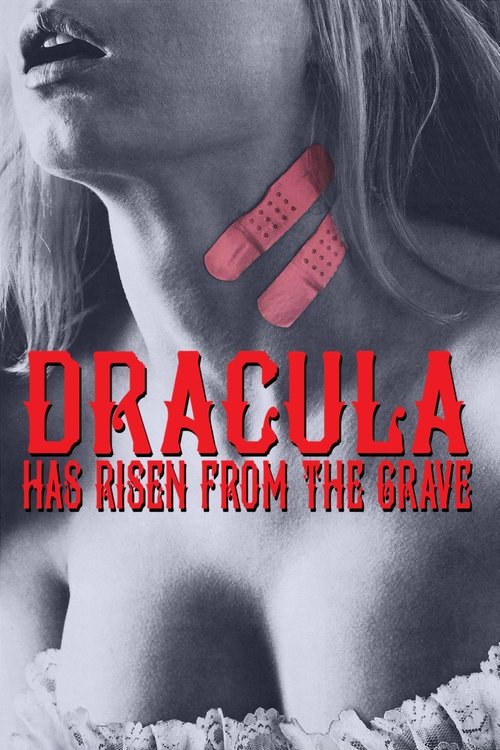
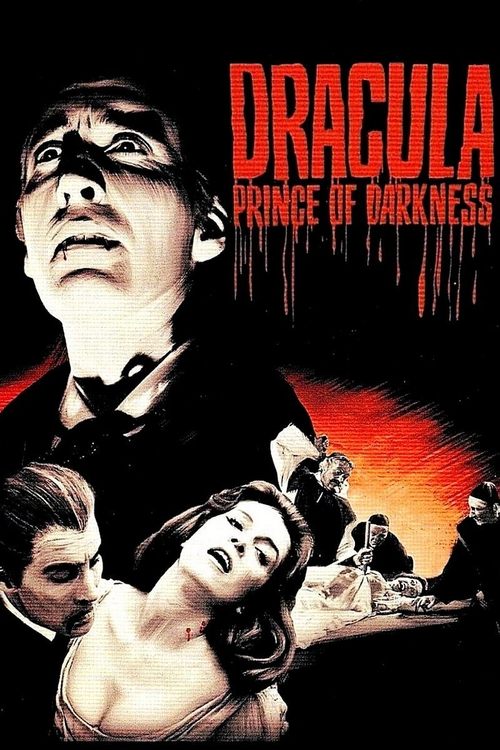
Dracula Has Risen from the Grave
1968
No user ratings available yet
Representation score: 0.3 out of 10
Representation Score
Minimal
1966
ApprovedDirector
Terence Fisher
Runtime
90 minutes
Average Rating
No ratings yetNew Showbiz Analysis
Terence Fisher’s work in this film prioritizes classical Gothic archetypes and atmospheric tension over social disruption. The narrative is built upon established genre clichés that reinforce traditional hierarchies rather than challenging them. The film operates within a conservative cinematic framework, utilizing a homogeneous cast and rigid gender roles to drive the plot. It focuses on a stylized battle between good and evil, relying on clear-cut morality. Ultimately, the production serves to preserve mid-century genre norms. It offers a familiar, stylized experience that lacks perspectives reflecting multiple aspects of diversity.
Category Breakdown
The film strictly follows the assumption that everyone is straight or cisgender. There is no representation of non-binary gender identities or same-sex relationships, focusing instead on a male character pursuing a female protagonist.
Female characters mainly serve as victims or objects of desire. The narrative relies on the 'damsel in distress' cliché, where women act as catalysts for male-driven action rather than having independent roles.
The cast is a homogeneous, white, Anglo-European group. Despite the Transylvanian setting, the film lacks racial blending or non-white identities, reflecting the standard British studio aesthetics of the era.
The story reinforces Western traditional values through a clear moral binary. Religious iconography is used as a tool to maintain order against supernatural chaos, favoring moral absolutism over complexity.
There are no meaningful depictions of neurodivergence or physical disabilities. Monstrous elements are treated as supernatural anomalies rather than explorations of human identity or lived experience.
Present on Screen
Limited or Absent
Official Synopsis
Whilst vacationing in the Carpathian Mountain, two couples stumble across the remains of Count Dracula's castle. The Count's trusted servant kills one of the men, suspending the body over the Count's ashes so that the blood drips from the corpse and saturates the blackened remains. The ritual is completed, the Count revived and his attentions focus on the dead man's wife who is to become his partner; devoted to an existence of depravity and evil.
1968
1970

1958
1970
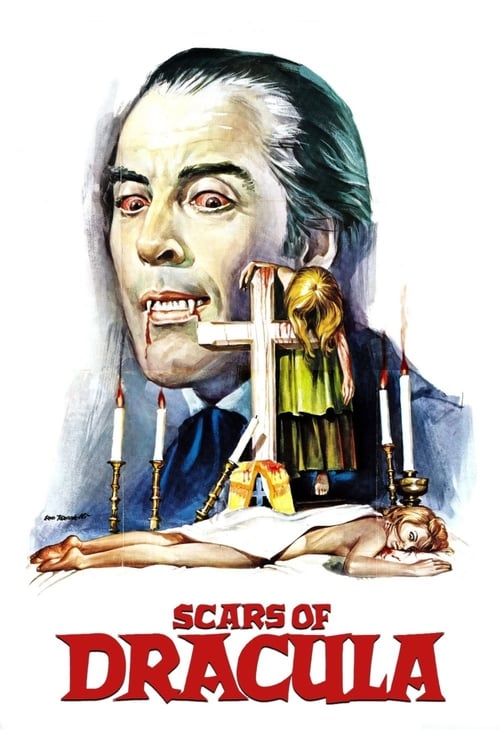
1970
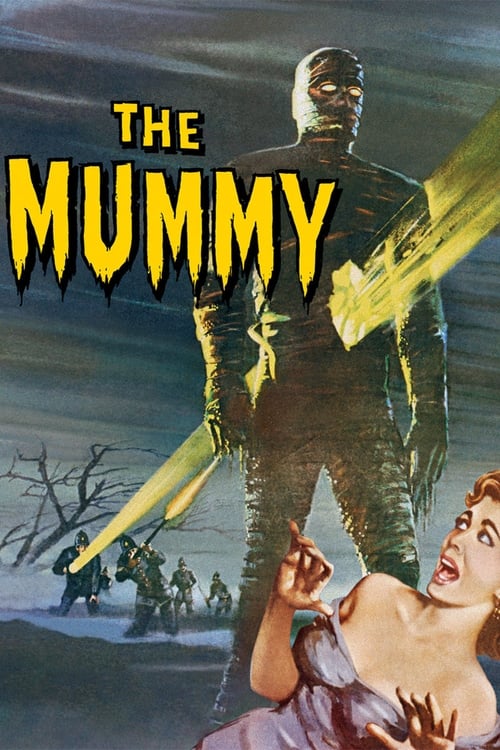
1959
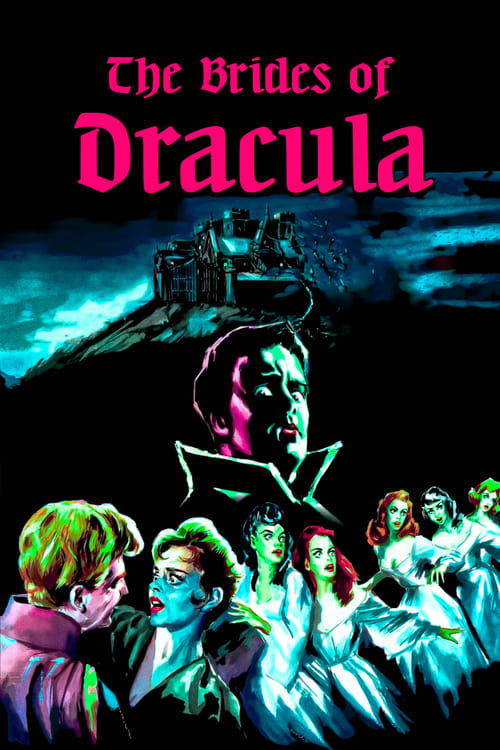
1960
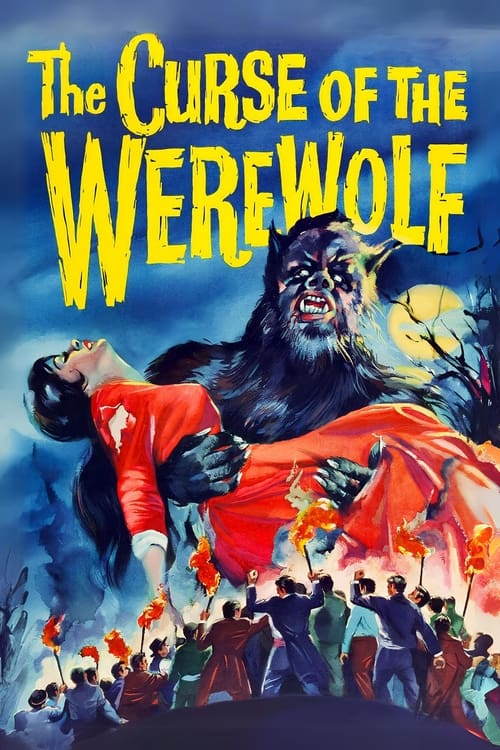
1961
No reviews yet. Be the first to share your thoughts on this movie!
Use the rating form above to leave a star rating and optional review.