The Blue-Veiled
1995
No user ratings available yet
Representation score: 5.7 out of 10
Representation Score
Fair
1974
NRDirector
Rainer Werner Fassbinder
Runtime
93 minutes
Average Rating
No ratings yetNew Showbiz Analysis
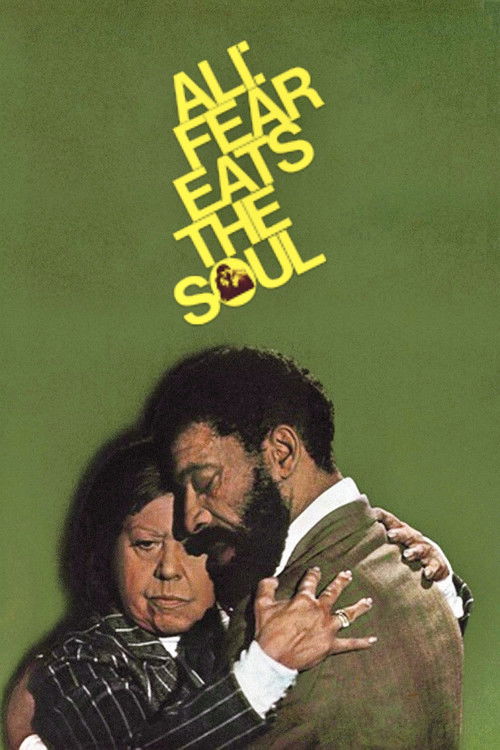
Fassbinder’s work is a sophisticated deconstruction of social hierarchies. By focusing on a romance between a German cleaning lady and a Moroccan migrant, the film uses a domestic setting to expose deep-seated xenophobia and systemic oppression. The narrative excels at highlighting racial and cultural tensions, framing the community not as a support system, but as an oppressive force. It effectively uses the migrant experience to critique the social cohesion of post-war West Germany. However, the film lacks representation for LGBTQ+ individuals and characters with disabilities. While its social critique is profound, these specific narrative dimensions are missing.
Category Breakdown
The film focuses on a relationship that assumes everyone is straight. It does not include characters or stories that question this assumption through a queer perspective.
Emmi, a working-class woman, drives the narrative and initiates the relationship. This challenges traditional gender roles, but the film also shows how gendered expectations can limit personal freedom.
The story explores the experiences of a German woman and a Moroccan migrant, highlighting how non-white individuals are treated as outsiders in West Germany.
The film criticizes Western social institutions and the 'Economic Miracle,' portraying community structures and consumerism as tools that enforce social exclusion and cruelty.
The film does not feature characters with visible or invisible disabilities as key elements of the story.
Present on Screen
Limited or Absent
Official Synopsis
Emmi Kurowski, a cleaning lady, is lonely in her old age. Her husband died years ago, and her grown children offer little companionship. One night she goes to a bar frequented by Arab immigrants and strikes up a friendship with middle-aged mechanic Ali. Their relationship soon develops into something more, and Emmi's family and neighbors criticize their spontaneous marriage. Soon Emmi and Ali are forced to confront their own insecurities about their future.
1995

1971
1972

1966
1996

1964
1967

1987
No reviews yet. Be the first to share your thoughts on this movie!
Use the rating form above to leave a star rating and optional review.