Happy Go Lucky
2018
No user ratings available yet
Representation score: 2.0 out of 10
Representation Score
Minimal
1986
Director
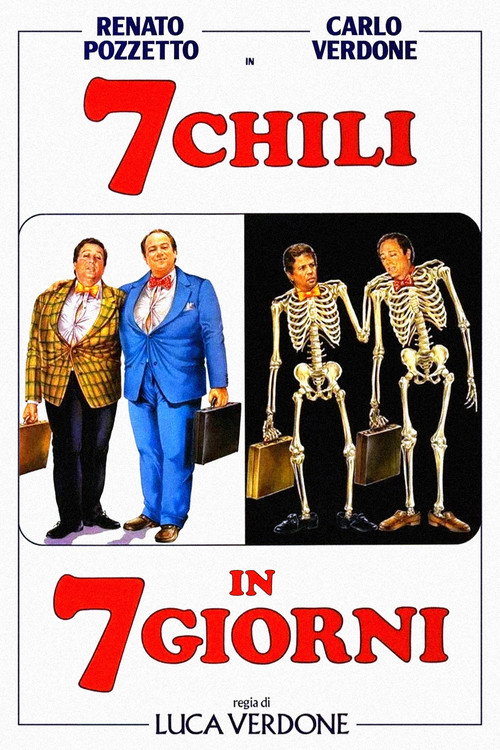
Luca Verdone
Runtime
105 minutes
Average Rating
No ratings yetNew Showbiz Analysis
This 1986 Italian farce operates within a rigidly conservative social framework, reflecting the cinematic norms of its time. The narrative emphasizes traditional hierarchies, with male incompetence driving the plot while female characters remain passive or defined by their relationships to men. The film lacks any progressive subversion of gender roles or multi-layered depth. The cast is entirely homogeneous, lacking racial, ethnic, or LGBTQ+ representation. Cultural themes focus on class disparity and consumerism, yet the moral framework remains traditional, punishing dishonesty without addressing systemic issues. Disability is absent, with medical events used solely for comedic effect rather than meaningful representation. Overall, the film offers no meaningful engagement with diversity, equity, or inclusion. Its humor stems from male ineptitude and class contrast, presenting a worldview that is both socially conservative and visually uniform. The lack of diverse perspectives limits its resonance with contemporary audiences seeking inclusive storytelling.
Category Breakdown
The film focuses exclusively on traditional heterosexual relationships and marriage, with no LGBTQ+ characters appearing. The plot does not explore or critique non-straight identities.
Male characters drive the plot through their incompetence, while women are mostly peripheral, defined by domestic conflicts or as objects of desire. The film reinforces traditional gender roles without challenging conventional masculinity or femininity.
The cast is entirely white and Italian, reflecting the homogeneous casting practices of 1980s Italian cinema. The narrative relies on class-based humor rather than racial dynamics, offering no ethnic diversity or symbolic representation.
The film satirizes consumerism and superficiality but ultimately upholds traditional moral values, presenting the protagonists' failures as a cautionary tale against dishonesty. It focuses on individual greed rather than systemic issues or traditional institutions.
There are no characters with disabilities in the film. A customer’s stroke is used as a comedic plot device to trigger conflict, without any nuanced portrayal or real impact.
Present on Screen
Limited or Absent
Official Synopsis
Two not very clever young doctors open a fitness center and promise to let people lose seven kilos in seven days. When the enterprise fails they open a gourmet restaurant.
2018

2018
1981
1982

2016
1991
1981
1989
No reviews yet. Be the first to share your thoughts on this movie!
Use the rating form above to leave a star rating and optional review.