
Heavy Traffic
1973
No user ratings available yet
Representation score: 9.1 out of 10
Representation Score
Excellent
1972
NC-17Director
Ralph Bakshi
Runtime
78 minutes
Average Rating
No ratings yetNew Showbiz Analysis
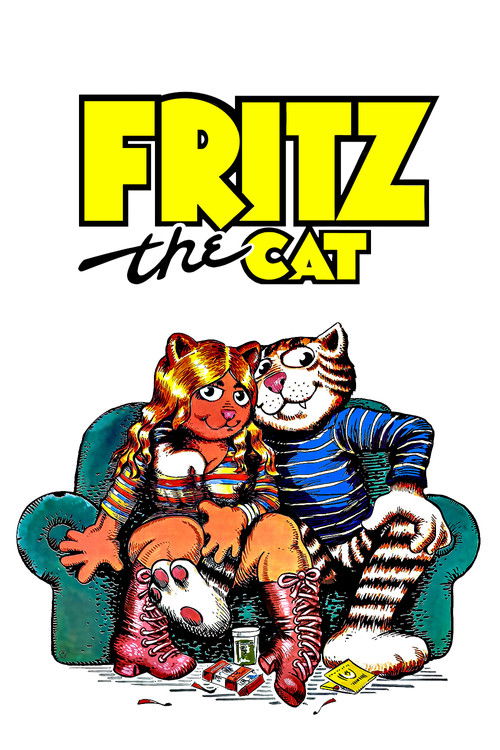
Fritz the Cat disrupts traditional animation by replacing sanitized ideals with a raw look at counterculture. It dismantles social hierarchies and emphasizes personal freedom over conventional morality. The film excels in critiquing cultural norms and depicting sexual fluidity. However, its focus on hedonism and drug culture sometimes overshadows nuanced portrayals of disability and mental health issues. Additionally, the narrative remains centered on the protagonist's perspective, limiting the range of character studies.
Category Breakdown
The film explores sexuality as a fluid and communal experience, presenting various orientations as part of the urban landscape. It challenges rigid views of sexuality by showing diverse behaviors and orientations.
Female characters have significant control over their sexual lives, rejecting the submissive roles often seen in animation. While the story focuses on male characters, women play active roles in the sexual revolution of the time.
The film mirrors the diverse ethnic makeup of 1960s New York City through its characters. It highlights a fragmented, multicultural urbanity rather than the homogeneous settings typical of traditional animation.
The narrative critiques Western institutions and authority, emphasizing moral relativism and rebellion against societal norms. It frames social rebellion as a form of liberation from oppressive structures.
Characters dealing with mental health issues are portrayed through the lens of drug culture, blurring the distinction between escapism and psychological distress. Representation of these conditions is limited and lacks nuance.
Present on Screen
Limited or Absent
Official Synopsis
In late 1960s New York City, fed up with monotonous college life and police repression, free-spirited Fritz, an impenitent seducer and unrestrained party-animal, decides to explore the world. And just like that, as he flees NYC, heading to San Francisco, Fritz embarks on an endless adventure of illumination. Immersed in a world surrounded by drugs and sex, Fritz participates in mad orgies, brings about a revolution, incites mass urban riots, and crosses paths with drug-addled Nazi bikers.
1973
1968
1982
1974
1969
1979
1978
1978
No reviews yet. Be the first to share your thoughts on this movie!
Use the rating form above to leave a star rating and optional review.