
Panic
1979
No user ratings available yet
Representation score: 4.6 out of 10
Representation Score
Good
1973
PGDirector
René Laloux
Runtime
72 minutes
Average Rating
No ratings yetNew Showbiz Analysis
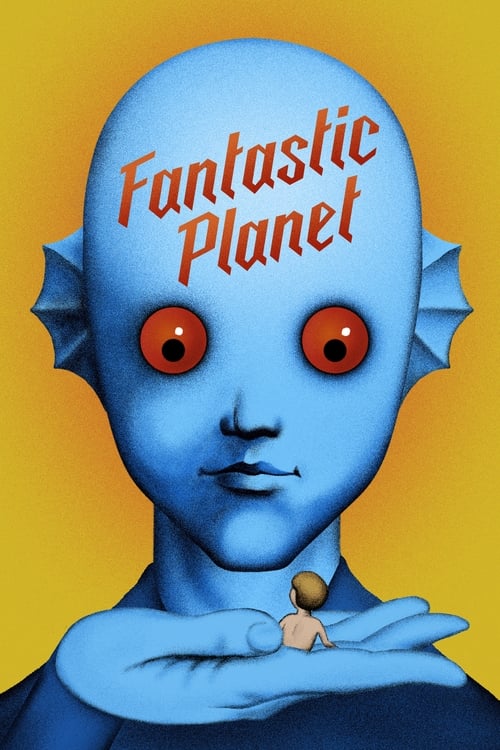
Fantastic Planet is a profound piece of speculative social commentary that uses science fiction to deconstruct power structures. Its strength lies in its post-colonial allegory, where the struggle for sovereignty against a technologically superior oppressor critiques systemic inequality. The film excels in its metaphorical use of extraterrestrial biology to mirror racial and cultural hierarchies. By framing the Draag hegemony as an exploitative force, it provides a powerful critique of imperialist structures and the necessity of dismantling oppressive institutions. However, the film lacks contemporary identity-based markers. While it challenges anthropocentric perspectives, it offers little in the way of explicit LGBTQ+ representation or nuanced explorations of gender and disability beyond species-based archetypes.
Category Breakdown
The film does not explicitly depict LGBTQ+ identities or non-binary gender expressions. The narrative emphasizes the broader struggle between species rather than individual romantic orientations.
Gender dynamics are overshadowed by the biological hierarchy of the two species. Characters function as archetypes of the oppressed or oppressors, making gender a secondary element to the species conflict.
The film uses non-human species as a metaphor for racial and ethnic diversity. The Draags and Oms represent the dynamics of colonial oppression and systemic marginalization through extraterrestrial biology.
The narrative is deeply rooted in anti-colonial and anti-imperialist critiques. It portrays the Draag hegemony as an oppressive authority that must be dismantled to achieve autonomy.
The physical vulnerability of the Oms serves as a constant theme. However, these traits function more as markers of class and species status than nuanced portrayals of disability.
Present on Screen
Limited or Absent
Official Synopsis
On the planet Ygam, the Draags, extremely technologically and spiritually advanced blue humanoids, consider the tiny Oms, human beings descendants of Terra's inhabitants, as ignorant animals. Those who live in slavery are treated as simple pets and used to entertain Draag children; those who live hidden in the hostile wilderness of the planet are periodically hunted and ruthlessly slaughtered as if they were vermin.
1979
1987

1976

1982

1983
1982
1987

2003
No reviews yet. Be the first to share your thoughts on this movie!
Use the rating form above to leave a star rating and optional review.