Moses and Aaron
1975
No user ratings available yet
Representation score: 2.4 out of 10
Representation Score
Fair
1965
Not RatedDirector
Pier Paolo Pasolini
Runtime
137 minutes
Average Rating
No ratings yetNew Showbiz Analysis
Pasolini’s direction transforms a biblical narrative into a study of class struggle. By using non-professional actors and a Mediterranean aesthetic, the film successfully dismantles the polished, Eurocentric traditions of Western religious cinema. While the film excels in ethnic authenticity and its critique of systemic oppression, it remains limited by its period-specific subject matter. The lack of gender diversity and LGBTQ+ representation reflects the traditional, male-centric frameworks of the historical text. Ultimately, the work highlights the dignity of the impoverished through a revolutionary, humanistic perspective centered on the oppressed.
Category Breakdown
The film stays true to first-century biblical contexts and focuses on male-centric discipleship without showing any non-straight relationships or challenging assumptions about straight relationships.
Male figures drive the central themes and theological discussions. Although Mary Magdalene appears, she follows a traditional archetype without challenging the male-dominated narrative structure.
Pasolini avoids whitewashed religious aesthetics by using Mediterranean actors. The use of non-professional actors provides an authentic ethnic identity that aligns with the historical context of the Levant.
The film critiques established power structures by portraying religious and political institutions as oppressive. It emphasizes the sacredness of the poor to challenge worldly status.
There are no characters with visible or invisible disabilities central to the narrative. Disability is not used as a plot device or for mocking purposes.
Present on Screen
Limited or Absent
Official Synopsis
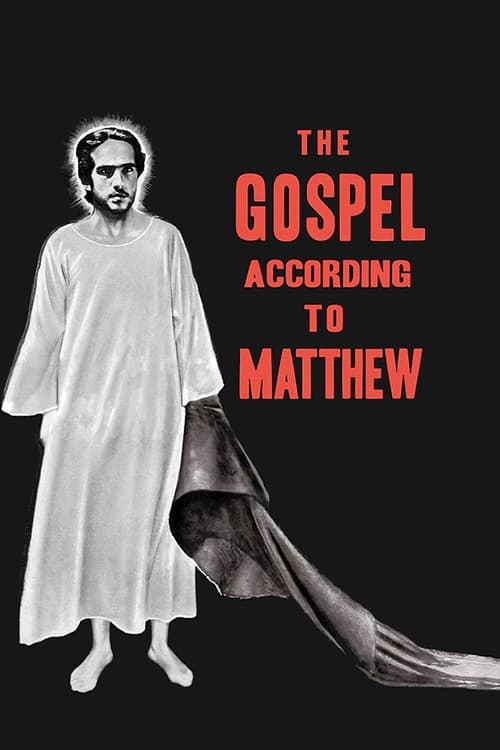
Along a rocky, barren coastline, Jesus begins teaching, primarily using parables. He attracts disciples; he's stern, brusque, and demanding. His parables often take on the powers that be, so he and his teachings come to the attention of the Pharisees, the chief priests, and elders. They conspire to have him arrested, beaten, tried, and crucified, just as he prophesied to his followers.
1975

1943
1939

1959

1998
1951

1976
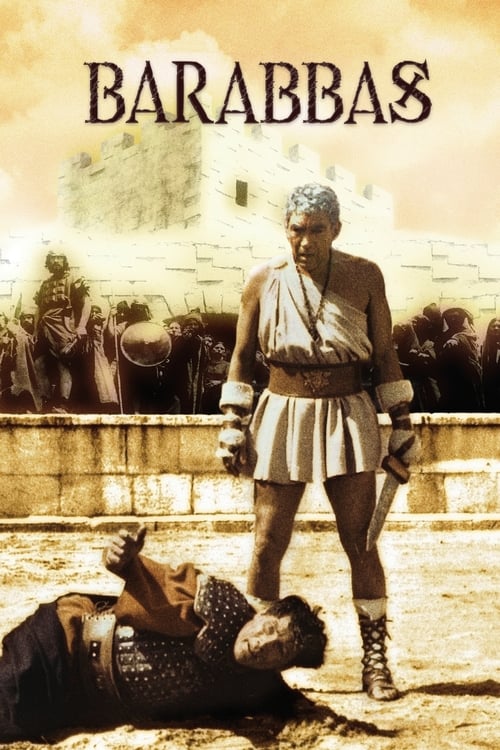
1961
No reviews yet. Be the first to share your thoughts on this movie!
Use the rating form above to leave a star rating and optional review.