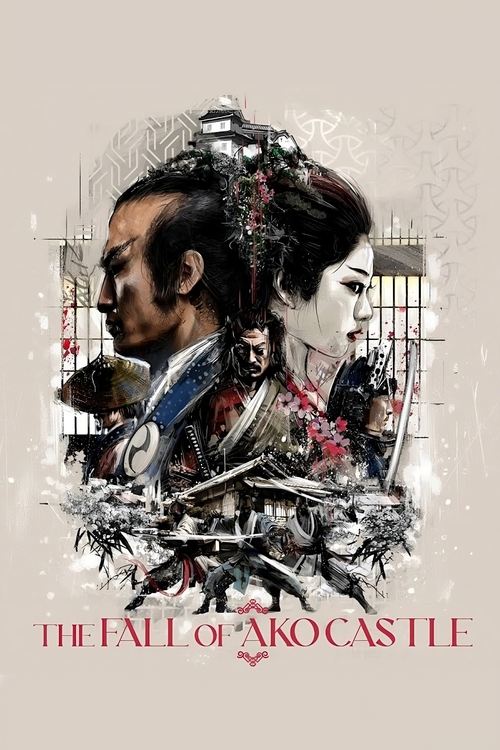
The Fall of Ako Castle
1978
No user ratings available yet
Representation score: 1.6 out of 10

Representation Score
Fair
1962
NRDirector
Masaki Kobayashi
Runtime
135 minutes
Average Rating
No ratings yetNew Showbiz Analysis
Harakiri is a sophisticated social critique that dismantles the myth of samurai honor using a historical backdrop. Despite its lack of modern identity representation, the film excels in exposing the flaws of rigid social hierarchies. It employs the protagonist's defiance to highlight the absence of empathy in a system that masks corruption. The film's strength lies in its deconstruction of institutional power and systemic hypocrisy, offering a profound critique of traditional heroism.
Category Breakdown
The film focuses exclusively on the masculine rituals of the Edo-period samurai class. There are no LGBTQ+ characters or non-traditional gender identities represented.
The movie follows a traditional patriarchal structure where women play secondary, domestic roles while the main conflict revolves around male-centric codes of honor.
Set in 17th-century Japan, the cast is ethnically uniform. The film centers on internal class hierarchies without blending racial perspectives.
The film critically examines feudal Japanese structures, deconstructing the samurai code to show how ritualistic traditions serve as tools of systemic oppression.
The film depicts the physical toll of poverty and systemic neglect. The suffering of lower-class characters highlights the disparity between the ruling class and the disenfranchised.
Present on Screen
Limited or Absent
Official Synopsis
Down-on-his-luck veteran Tsugumo Hanshirō enters the courtyard of the prosperous House of Iyi. Unemployed, and with no family, he hopes to find a place to commit seppuku—and a worthy second to deliver the coup de grâce in his suicide ritual. The senior counselor for the Iyi clan questions the ronin’s resolve and integrity, suspecting Hanshirō of seeking charity rather than an honorable end. What follows is a pair of interlocking stories which lay bare the difference between honor and respect, and promises to examine the legendary foundations of the Samurai code.
1978
2003

1985
1967
1969
1964
1962
2013
No reviews yet. Be the first to share your thoughts on this movie!
Use the rating form above to leave a star rating and optional review.