Farewell Moscow
1987
No user ratings available yet
Representation score: 5.5 out of 10
Representation Score
Limited
1976
UnratedDirector
Bernardo Bertolucci
Runtime
317 minutes
Average Rating
No ratings yetNew Showbiz Analysis
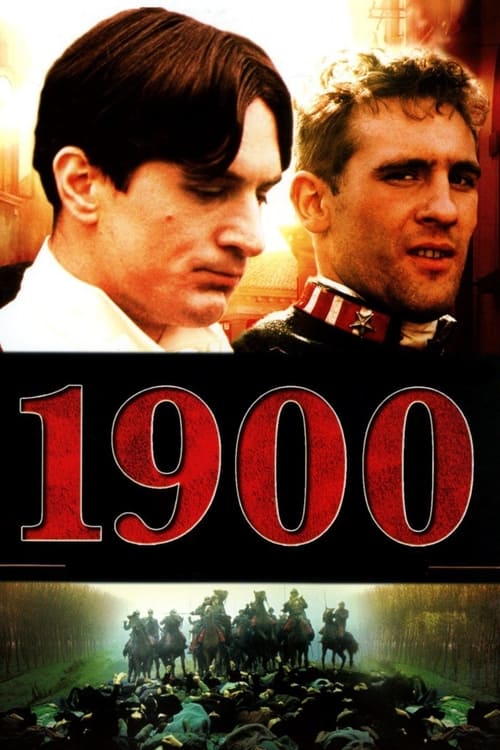
Bernardo Bertolucci’s epic is a study of historical materialism rather than modern identity politics. It prioritizes the friction between socioeconomic classes, using a Marxist framework to challenge the stability of traditional Western hierarchies. The film’s strength lies in its radical narrative structure, which centers the ability to act of the oppressed proletariat. However, it lacks contemporary representation of LGBTQ+ identities and disabilities, and operates within traditional patriarchal structures.
Category Breakdown
The film focuses on heterosexual relationships within peasant and aristocratic families, reinforcing class-based power dynamics through sexual politics. It does not explore same-sex intimacy or non-cisgender identities.
Women have influence in domestic and romantic contexts but operate within traditional patriarchal structures. The narrative portrays these gender hierarchies as inherent to the historical period without challenging them.
The cast is predominantly homogeneous, reflecting the demographic reality of early 20th-century rural Italy. The film emphasizes the 'othering' of the working class rather than modern racial diversity.
The film excels in critiquing capitalism and the landed aristocracy. It highlights the struggles of sharecroppers and the rise of Fascism as systemic disruptions of class equity.
There is no focus on visible or invisible disabilities. Characters with physical limitations are not central to the narrative or given nuanced representation.
Present on Screen
Limited or Absent
Official Synopsis
The epic tale of a class struggle in twentieth century Italy, as seen through the eyes of two childhood friends on opposing sides.
1987
1971

2003

1969
1974
2008

1960
1990
No reviews yet. Be the first to share your thoughts on this movie!
Use the rating form above to leave a star rating and optional review.