The Wiz
1978
GNo user ratings available yet
Representation score: 9.6 out of 10
These lists use approved racial and ethnic representation scores for New Hollywood films (1960s-1980s) that have written notes. Highest-scoring films are those whose notes describe more on-screen racial and ethnic representation. Lowest-scoring films are those whose notes describe little. Neither list is a quality ranking.
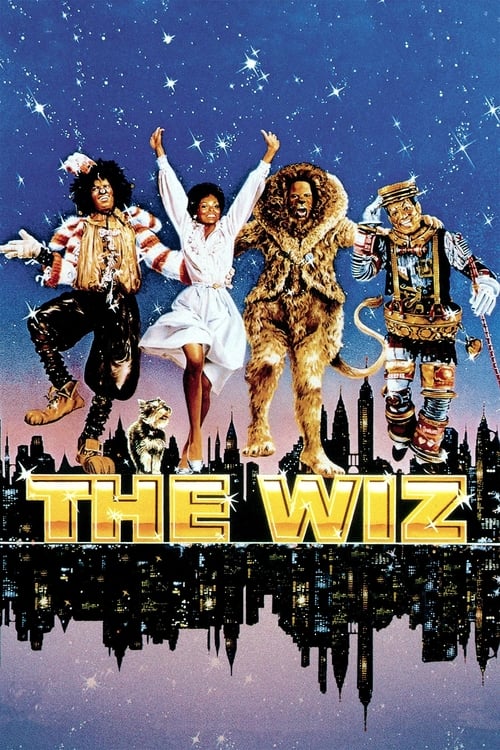
An all-Black cast transforms a white-centric myth into a celebration of Black excellence. Soul and disco aesthetics integrate Black cultural identity into the film’s core.
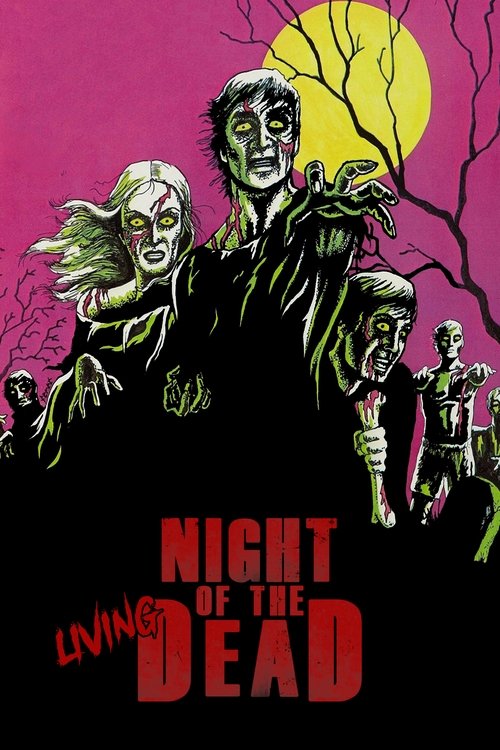
Ben, a Black man, is portrayed as the primary strategist and most capable survivor. This choice challenges the typical white savior narrative prevalent in films of the era.
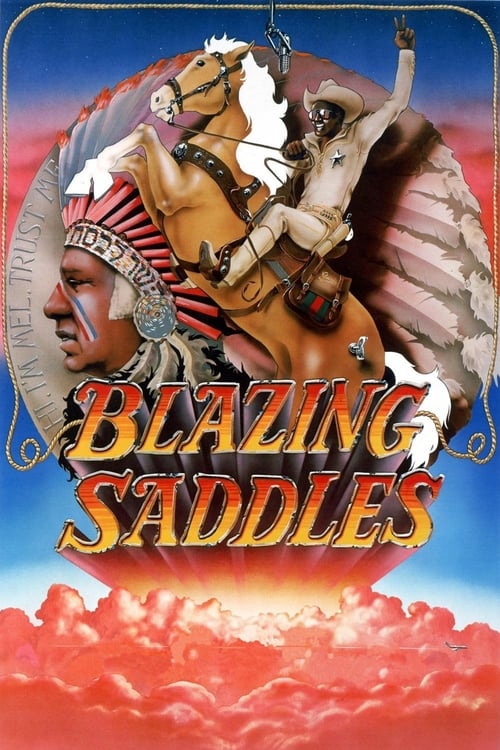
The film disrupts Western clichés by casting a Black actor as the central Sheriff. It uses caricatures to mock bigotry rather than reinforcing it.
Lee centers an almost entirely Black cast, breaking away from typical Hollywood norms. Characters of color drive the plot through complex intellectual and emotional interactions about representation.
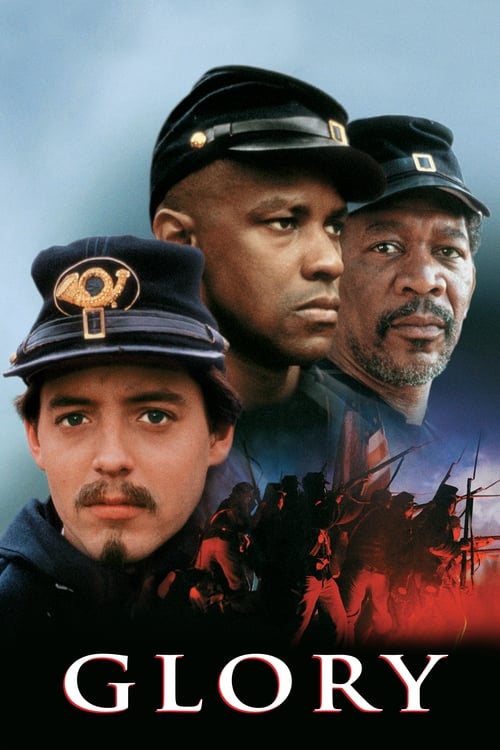
The film disrupts white-centric clichés by centering an all-Black volunteer company. Characters possess significant psychological depth, ranging from the educated to the impoverished.
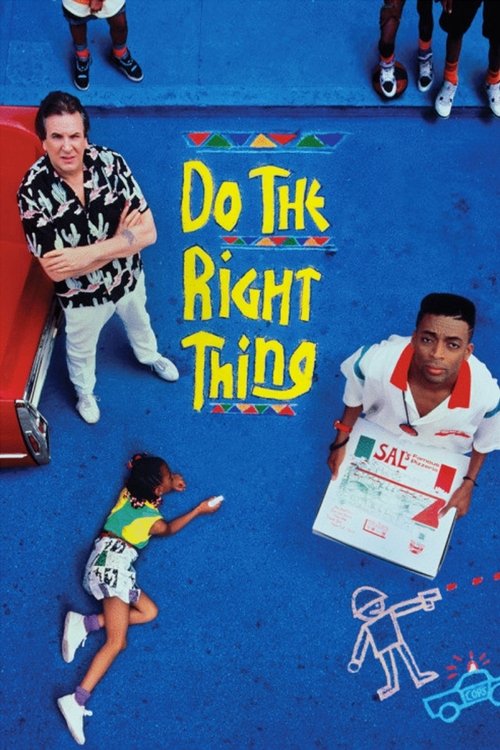
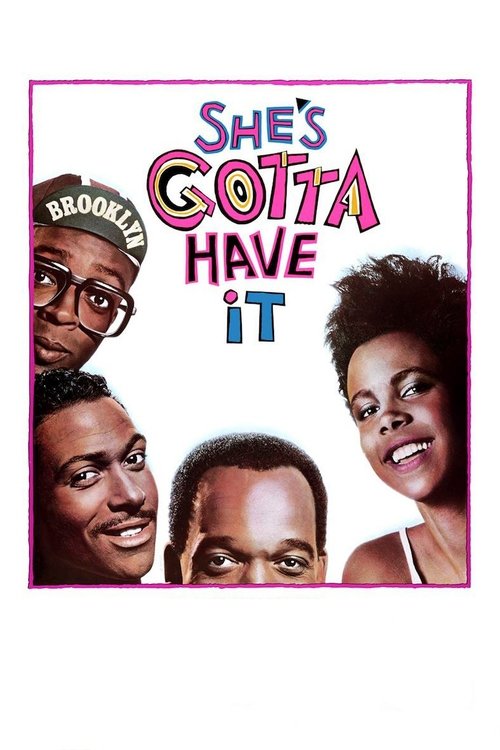
This landmark work features an almost entirely Black cast centered in Brooklyn. It provides a culturally grounded portrayal of Black middle and working-class identities rather than a color-blind approach.
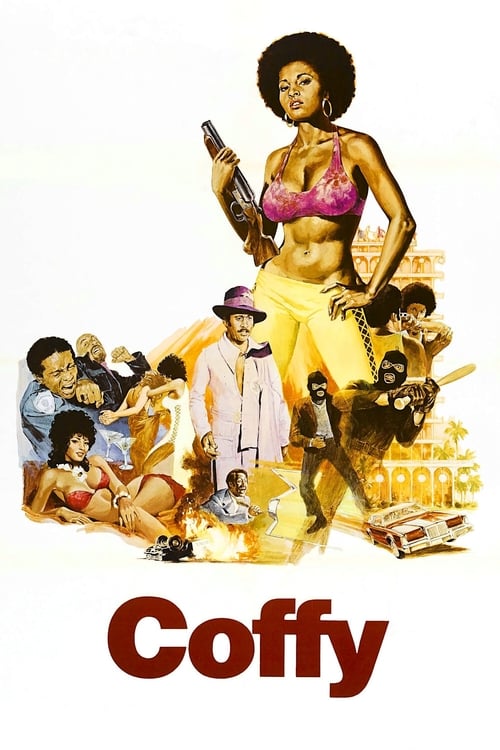
Coffy centers a Black woman in a powerful role, which was uncommon for its time. The film explores how systemic exploitation affects communities of color through the lens of an empowered protagonist.
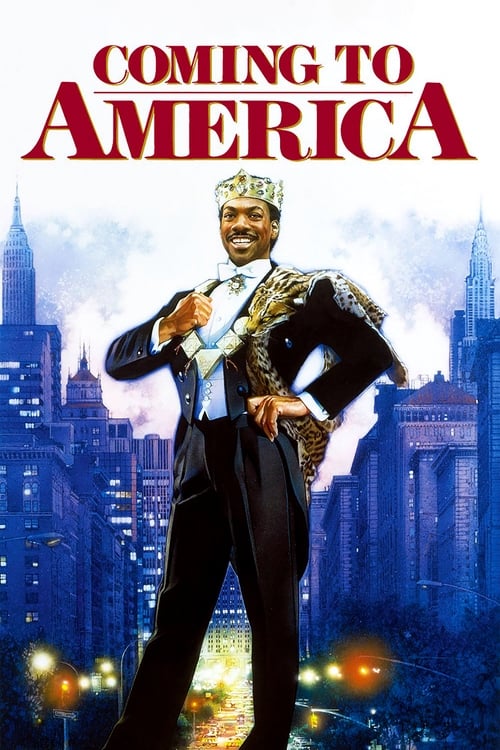
The film stands out by presenting a wealthy, sophisticated African monarchy. The all-Black primary cast holds positions of high status and significant influence.
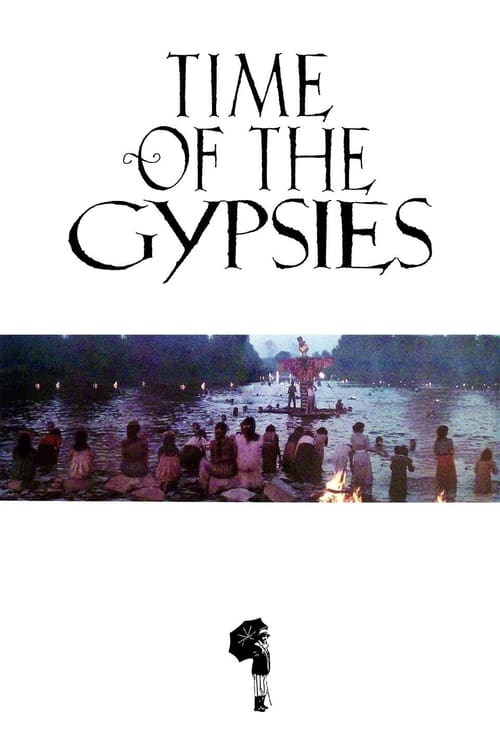
The film highlights the Romani experience with a majority Romani cast, challenging traditional Hollywood representations.
The film stands out by featuring an Indian protagonist and a predominantly non-Anglo-Saxon cast. It highlights the struggles against systemic racial segregation and discrimination faced by Indians in South Africa.
This is an exceptional portrayal of the Black female experience in the Jim Crow South. Race is integrated into the characters' struggles for survival and dignity rather than serving as a backdrop.
The film centers a Black protagonist who is portrayed as highly competent and intellectually authoritative. This challenges the expectation of a Black man being sidelined in a segregated environment.
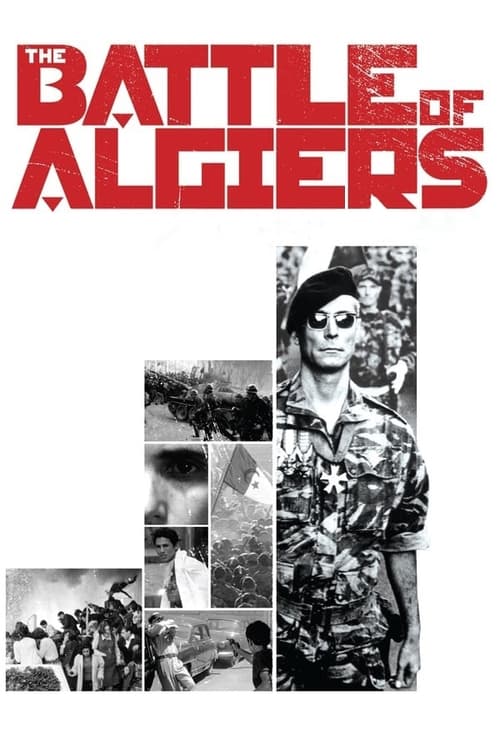
The film centers on the North African indigenous population and the FLN, providing the colonized with significant narrative ability to act and complex character arcs.
This landmark film centers a Chicano protagonist and features a Mexican-American cast. It explores the complexities of dual identity and gives significant roles to characters of color.
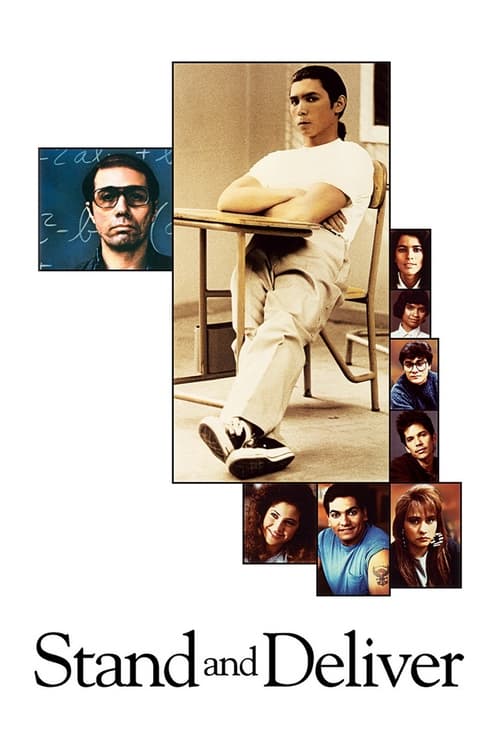
The film highlights a Mexican-American cast and a non-white protagonist, showing a community of color with strong ability to act, intelligence, and complexity despite systemic barriers.
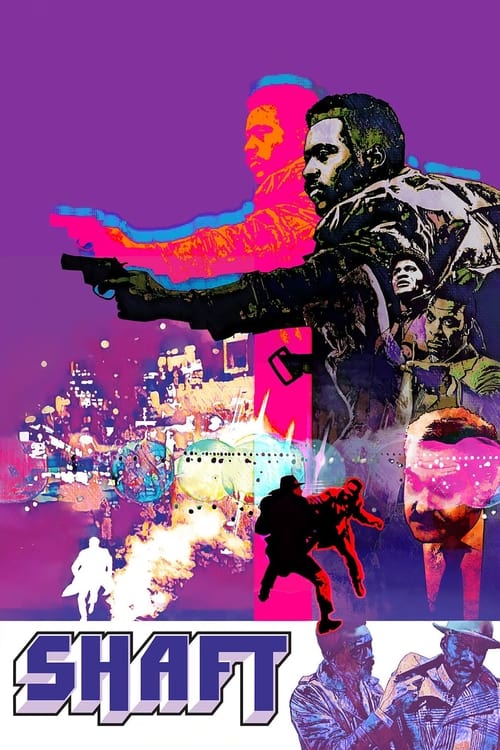
This landmark film centers around a highly capable Black protagonist named Shaft. It explores the complex interactions between Black militant groups and the Italian Mafia, highlighting the protagonist's authority and ability to act.
The film avoids the common practice of whitewashing by using a predominantly Arab cast. This ensures a culturally rich and authentic representation of the time period.
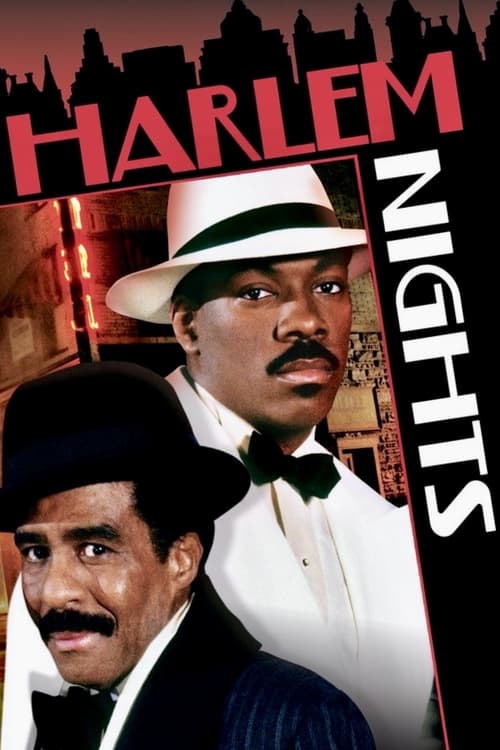
The film highlights a Black-centric narrative set in Harlem, reflecting the area's historical and cultural significance. It places Black characters in positions of economic power and complex social roles, challenging typical Hollywood representations.
This work is a remarkable achievement in highlighting Armenian culture. By focusing on the Armenian experience through miniature painting, it elevates a specific cultural identity.
The film features a predominantly South Asian cast exploring the experiences of second-generation immigrants. It highlights the hybrid identity of British Asians and the tensions between immigrant communities and white British structures.
The film centers around a Black professional, Dr. Matt Drayton, who plays a significant role in driving the story and intellectual authority.
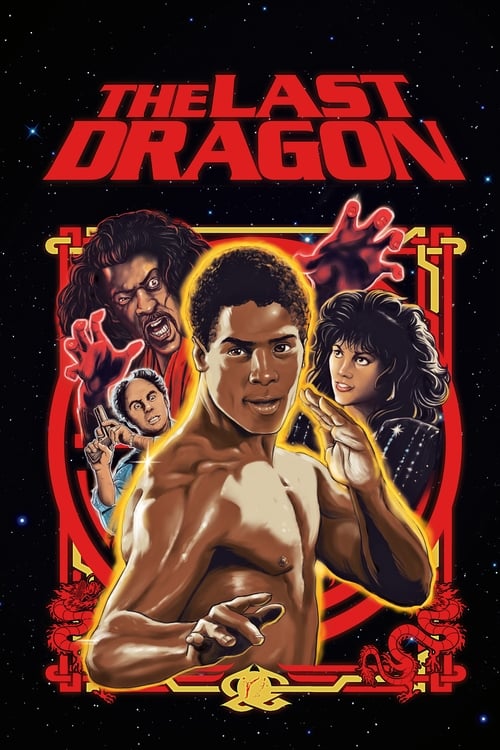
This film breaks genre expectations by featuring an all-Black cast in a kung fu narrative. It reclaims the warrior archetype through an urban Black perspective.
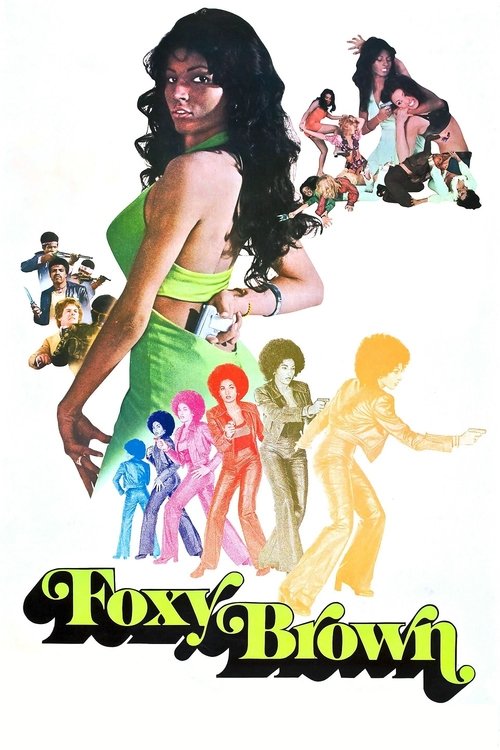
As a key Blaxploitation film, the movie features a predominantly Black cast. It offers significant depth and autonomy to characters of color, going beyond mere including someone from a minority group without giving them real depth.
The film explores racial and socioeconomic dynamics by placing Buddy Blake in hyper-white, elite spaces. Buddy’s success disrupts established social hierarchies.
The story uses animal characters to represent the experiences of Jewish immigrants escaping Russian oppression. This approach offers a sophisticated exploration of ethnic minorities adapting to a challenging new environment.
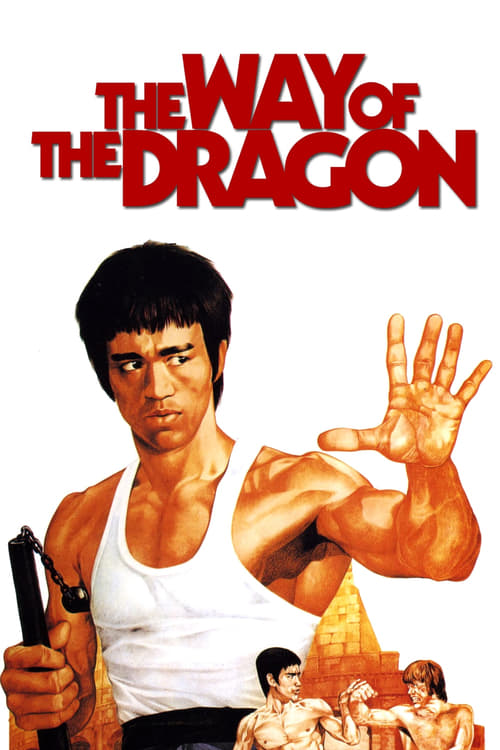
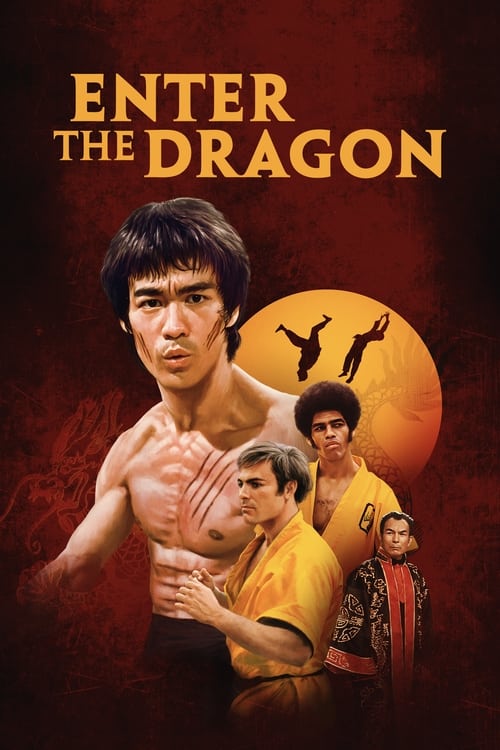
The film disrupts era-specific casting by featuring an Asian protagonist in a position of power. Tang Lung uses Eastern discipline to defeat a Western criminal syndicate.
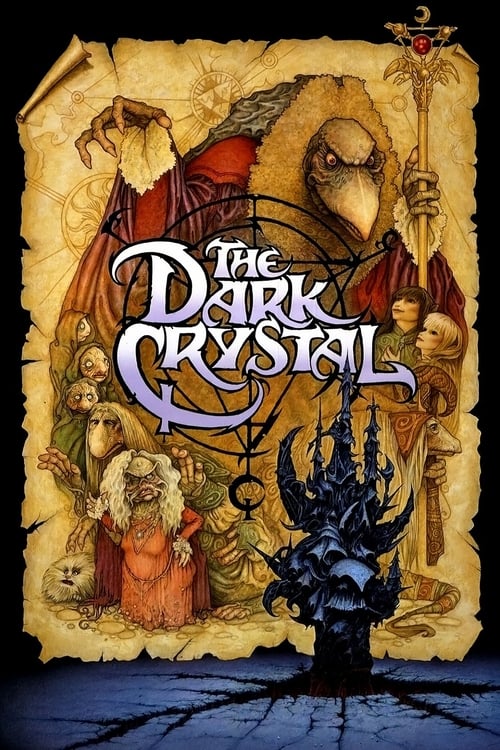
The film uses diverse creature designs like Gelflings and Skeksis to represent various cultures and ethnicities. These creatures symbolize different backgrounds and ways of life, creating a rich tapestry of otherness.
The film excels in depicting the ability to act of Chinese characters in their resistance against Japanese occupiers. It offers a profound exploration of identity and challenges the effects of historical colonization.
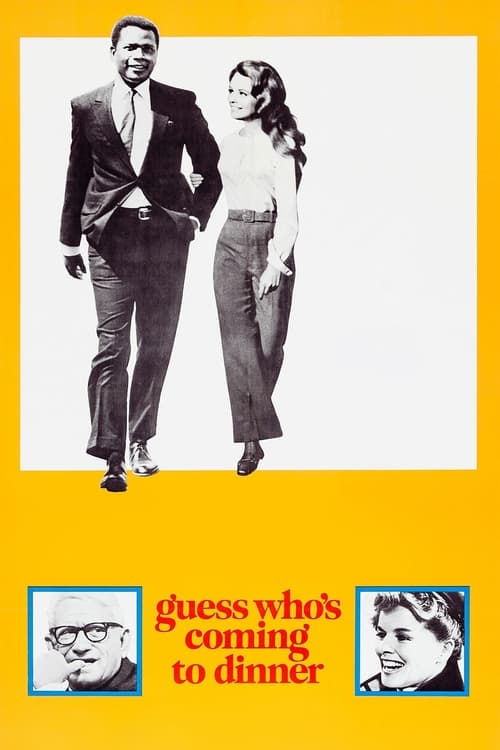
By centering a Black physician with high professional intellect, the film challenges subservient racial clichés. The interracial romance serves as a direct critique of systemic segregation.
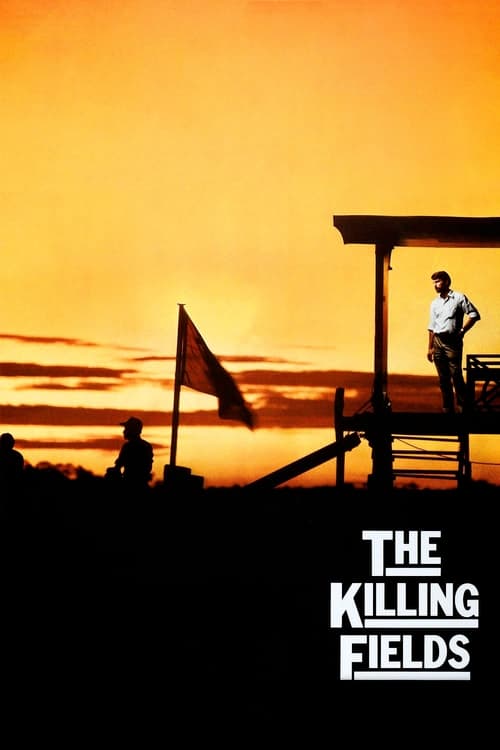
The film excels by centering Dith Pran, a non-Western protagonist. It disrupts the 'Western savior' cliché by highlighting the interdependence between the American reporter and his Cambodian interpreter.
This work is groundbreaking for breaking racial barriers in mainstream media. It disrupts the historical dominance of white protagonists by centering a Black artist who play a significant role in driving the story.
The film highlights the wisdom of indigenous peoples by centering the Goldi perspective. It challenges the idea of Western superiority by focusing on the Goldi way of life.
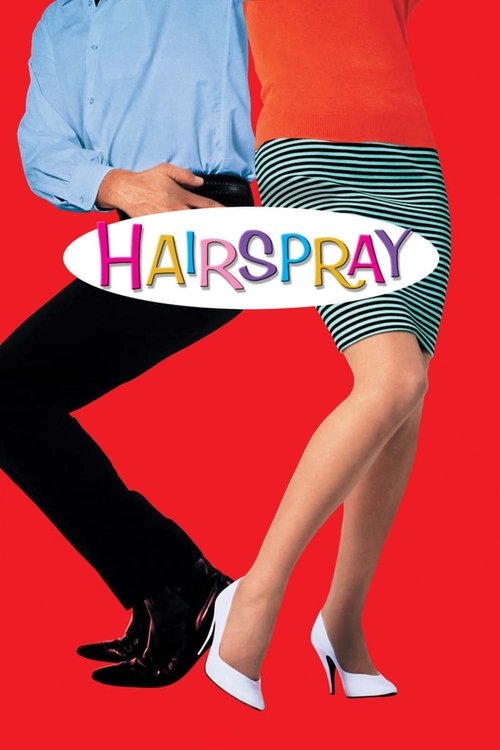
The film centers on racial integration, focusing on the deconstruction of segregation. Characters of color like Seaweed J.
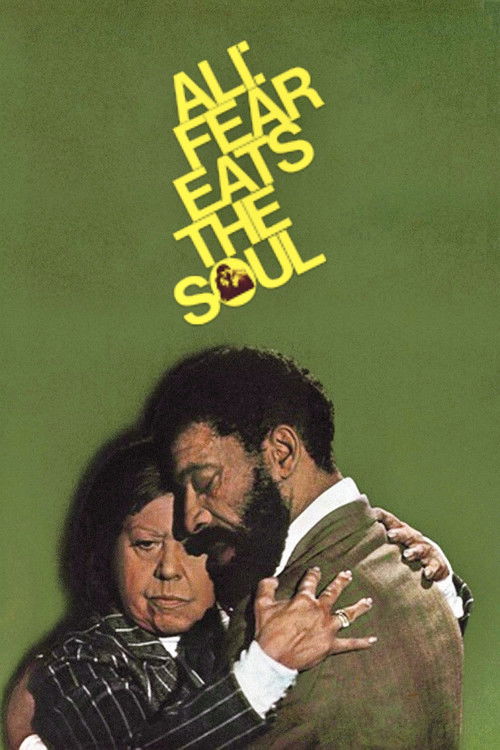
The story explores the experiences of a German woman and a Moroccan migrant, highlighting how non-white individuals are treated as outsiders in West Germany.
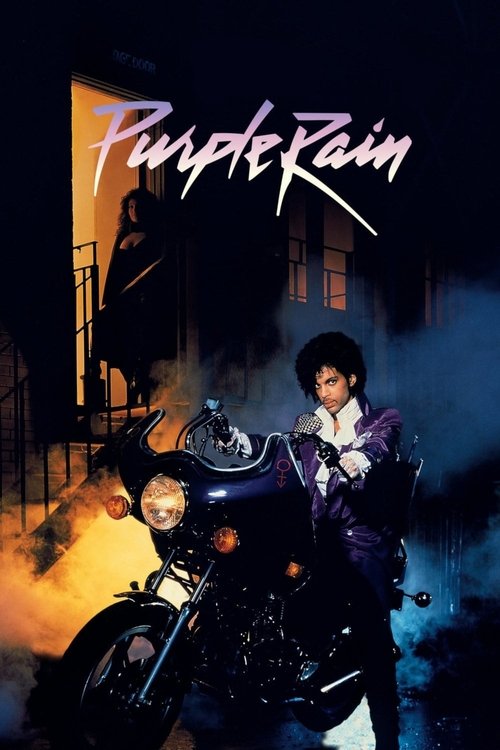
The film breaks 1980s norms by featuring a predominantly Black cast. It highlights Black artistry and Minneapolis culture as central to the narrative.
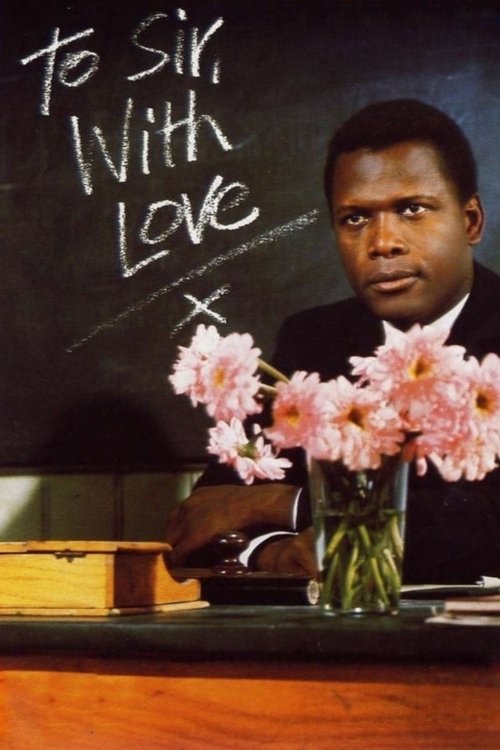
Casting Sidney Poitier as the central protagonist breaks the era-specific casting norms. The film highlights a person of color as the main driver of social and educational change.
The film excels by centering Black excellence and using a predominantly Black cast. It provides a significant role in driving the story to Black characters, framing their creative genius as a central plot driver.
The Newcomer population serves as a powerful stand-in for immigrant and underrepresented racial groups. The narrative centers their struggle for civil rights against systemic human xenophobia.
This film deeply explores colorism and racial fluidity. By centering a relationship between a light-skinned Black woman and a white man, it critiques rigid binary classifications.
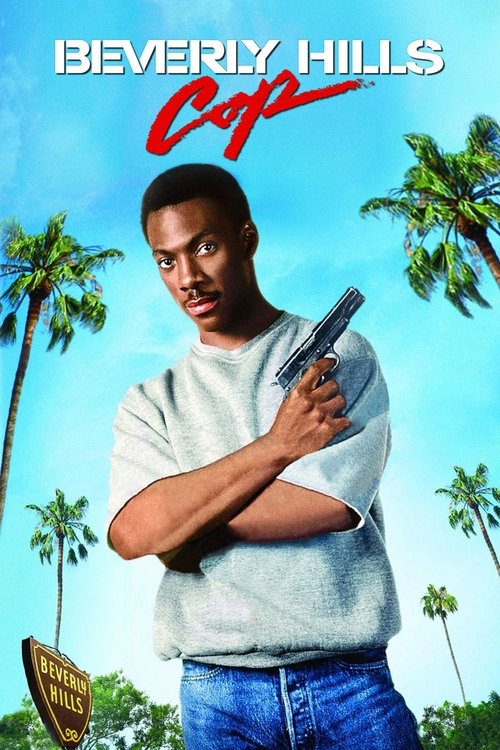
Axel Foley is a highly competent Black protagonist who challenges era-specific stereotypes. The film highlights racial and class disparities through the contrast between Detroit and Beverly Hills.
The film portrays the Roman Empire as a multi-ethnic entity by featuring characters from various ethnic backgrounds like Thracians, Gauls, and Germans. This depiction challenges the idea of a homogeneous ruling class.
This film is a landmark for placing an Asian protagonist in a position of supreme ability to act. The international cast emphasizes a globalized, non-Anglo-Saxon majority.
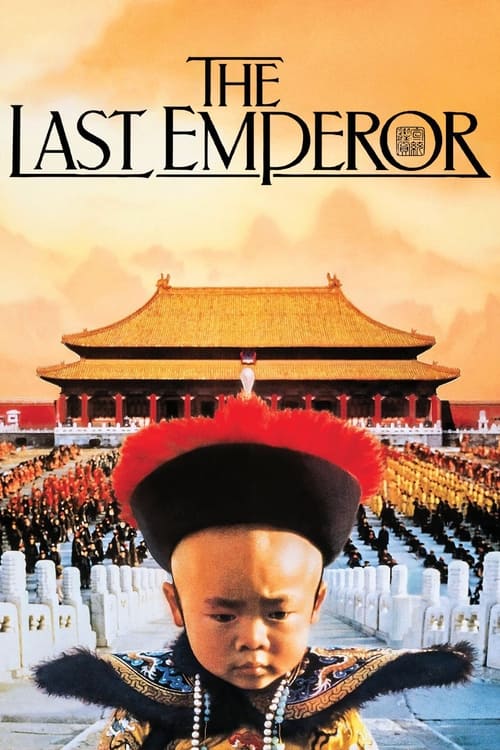
The film avoids typical Western period epic pitfalls by using a predominantly Chinese cast. It provides a non-Anglo-centric view of Chinese sovereignty and the effects of colonialism.
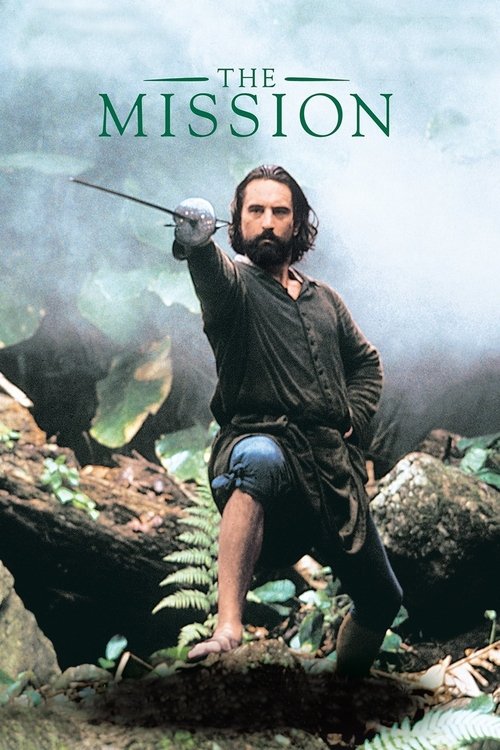
The film highlights the Guaraní people, giving them a strong role in the story. This helps to challenge traditional Eurocentric views.
The film features a predominantly Chinese cast, offering a strong portrayal of Chinese culture. It highlights indigenous martial arts traditions and cultural heritage.
The film uses non-human species as a metaphor for racial and ethnic diversity. The Draags and Oms represent the dynamics of colonial oppression and systemic marginalization through extraterrestrial biology.
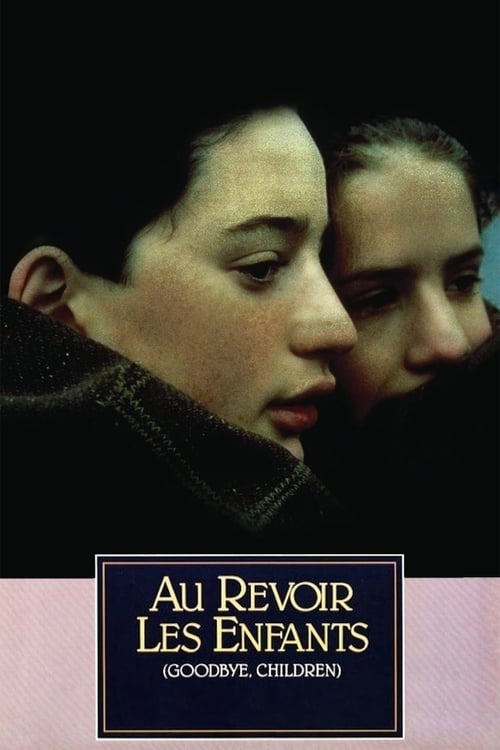
The film explores ethnic identity through the lens of the Holocaust, focusing on the persecution of a Jewish student within a French institution.
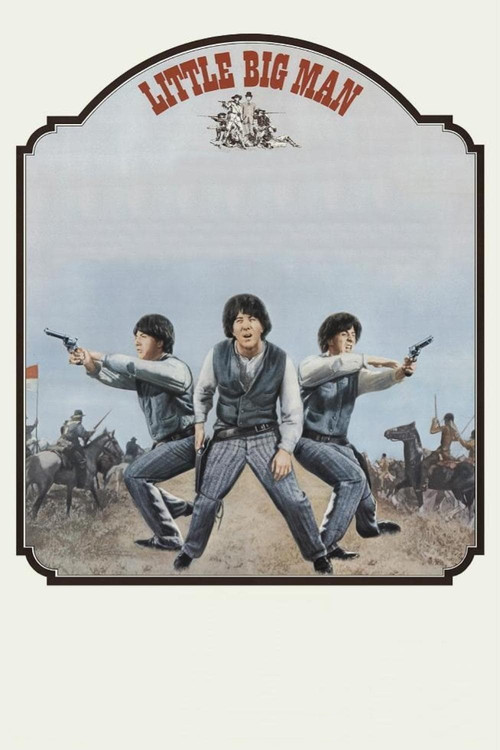
This film breaks the typical white perspective of the Western genre by presenting Indigenous populations as a sovereign, complex society. It avoids relegating Indigenous peoples to mere background elements.
The story highlights the Jewish community's experience within a Russian context. It emphasizes cultural traditions and the struggle against systemic persecution.
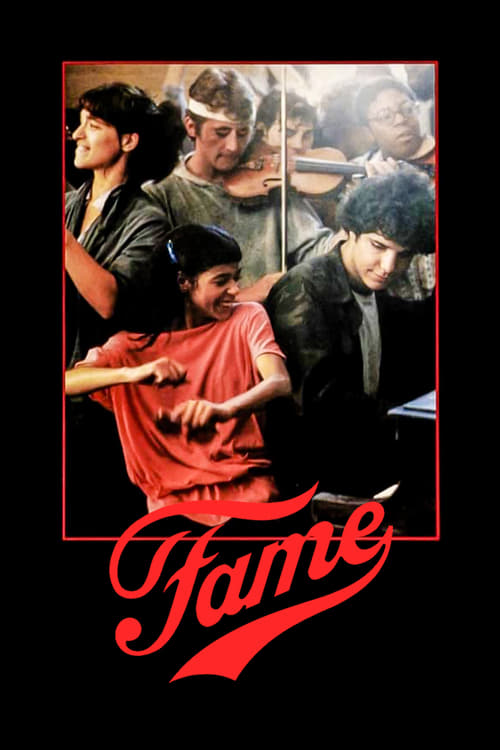
The ensemble includes a multi-ethnic cast of Black, Latino, and Caucasian students. Their diverse backgrounds are integral to their lived experiences and socioeconomic struggles.
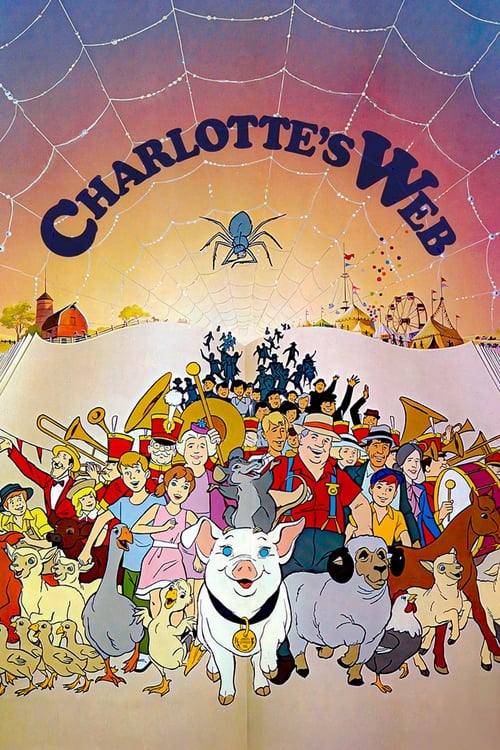
Since the film is an animal fable set in the wilderness, it lacks human characters and thus does not provide any racial or ethnic representation.
The setting is a neutral environment with no racial or ethnic identifiers. Since the characters are non-human objects, there are no racial or cultural distinctions.
Despite a tropical beach setting, the film does not explore racial or ethnic identities. The main characters are inanimate objects, and the human presence is minimal.
The characters are mechanical entities without human ethnicity or racial markers. The narrative centers on the conflict between mechanical and organic entities, rather than human demographics.
The use of anthropomorphic animals in a rural setting means there are no human characters. Consequently, the film does not depict visible racial or ethnic diversity.
There is no indication of a non-white or non-Anglo-Saxon majority. The narrative does not explicitly mention diverse racial identities or the subversion of casting norms.
The absence of human characters means there is no racial or ethnic representation. The urban setting is described through shadows and rain, without any specific cultural markers.
The cast consists of abstract, non-humanoid figures, avoiding any representation of race or ethnicity.
The animation utilizes living representations of letters rather than human characters. Consequently, there is no evidence to assess racial or ethnic diversity within the work.
The cast is entirely white and middle-class. Hill Valley is depicted as a homogeneous suburban utopia.
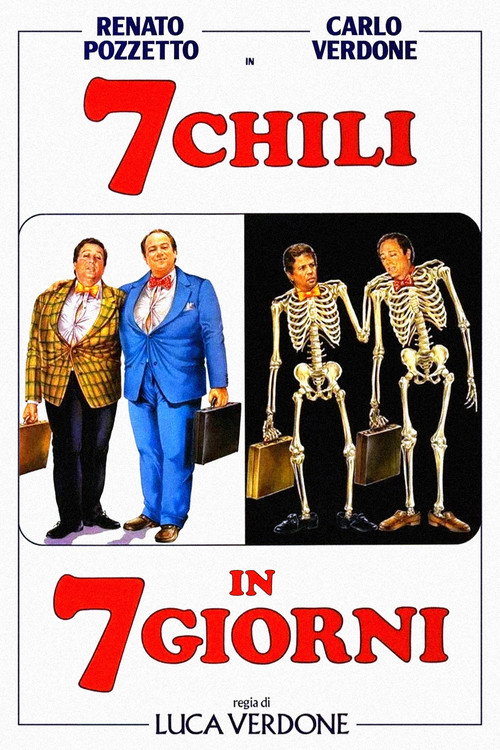
The cast is entirely white and Italian, reflecting the homogeneous casting practices of 1980s Italian cinema. The narrative relies on class-based humor rather than racial dynamics, offering no ethnic diversity or symbolic representation.
The cast is predominantly white, reflecting the era’s production standards. Non-human species like Chewbacca provide visual diversity but do not address human racial dynamics.
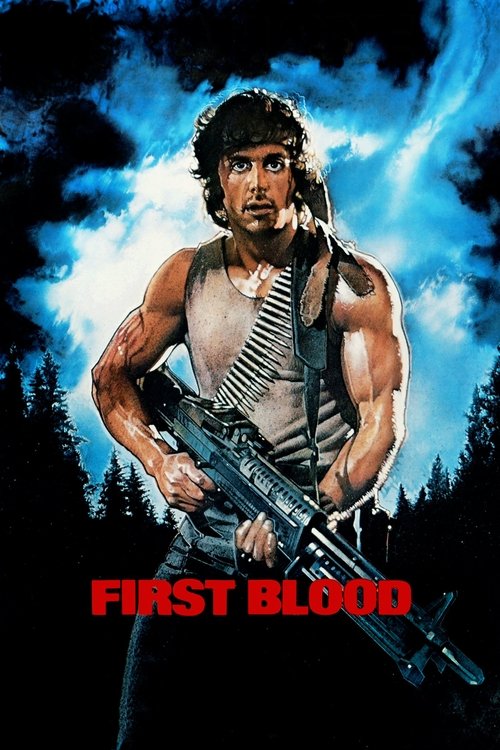
The cast is mostly white, with a focus on a white, working-class veteran experience.
The cast is predominantly white and Anglo-Saxon, reflecting the homogeneity of 1960s Western military culture. The film highlights tensions between major powers dominated by white leadership.
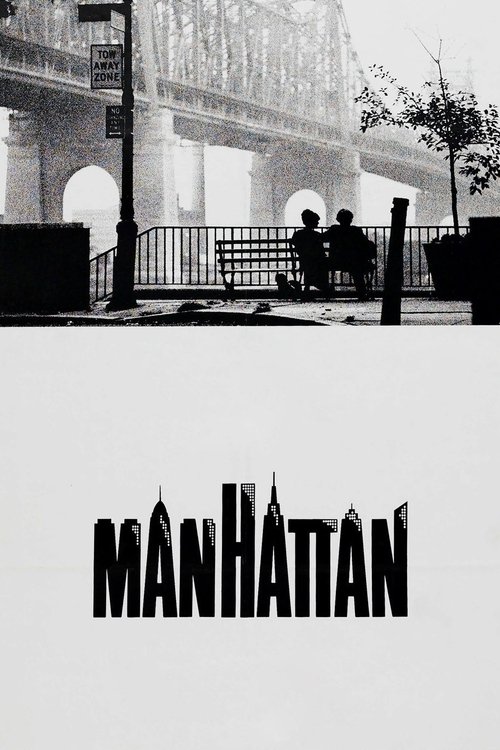
The cast and setting are predominantly white and upper-middle-class, reflecting a traditional Eurocentric New York intellectual elite.
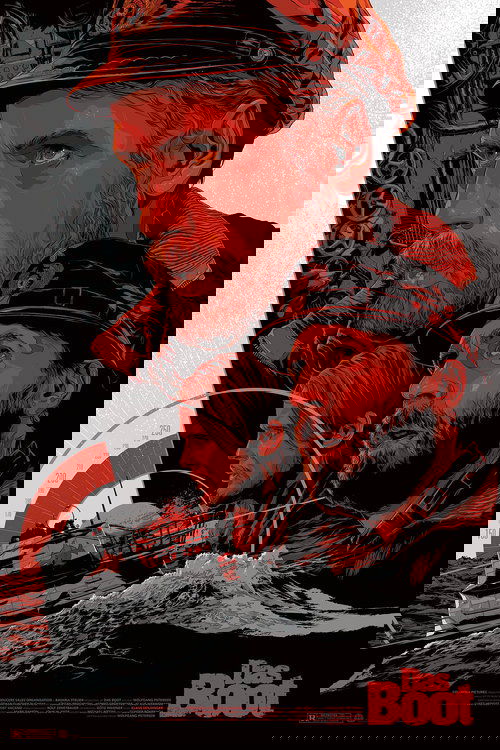
The cast is homogeneous, reflecting the historical demographics of the German U-boat service without any intentional racial blending.
The cast is homogeneous, featuring a white male lead in a desolate desert setting. There is no visible racial or ethnic diversity within the narrative.
The cast is mainly white and Anglo-Saxon, reflecting the casting standards of the 1980s. The Las Vegas setting does not use diverse actors to challenge societal norms.
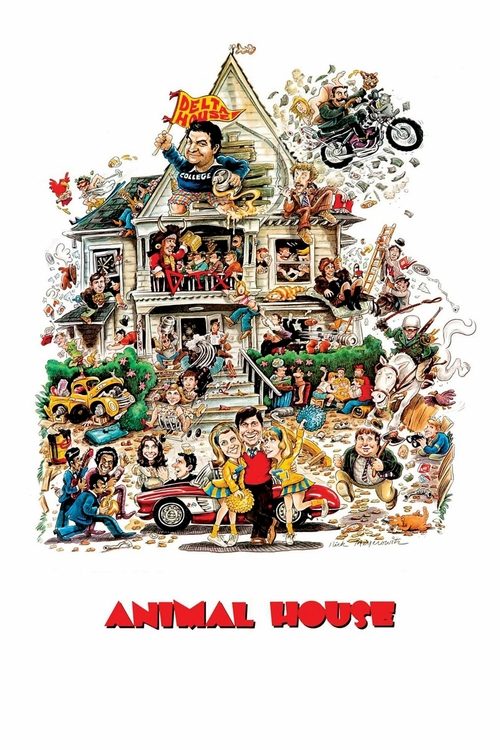
The cast and central conflict involve only white characters, depicting a homogeneous social ecosystem where tension is defined by class rather than race.
The cast is predominantly white and Anglo-Saxon, lacking any significant racial diversity. The social environment depicted is homogeneous.
The cast is primarily white, reflecting the demographic homogeneity of 1940s France. There is no evidence of diverse racial casting or representations of non-human species.
Set in the divided city of West Berlin, the film features a mostly white, European cast. It lacks diverse racial or ethnic perspectives, concentrating instead on the local Cold War atmosphere.
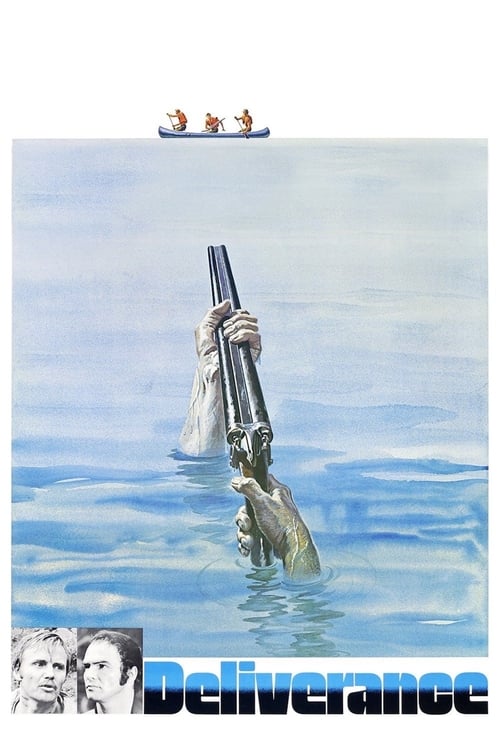
The cast and setting are primarily white and Anglo-Saxon, with no characters of color holding significant narrative roles.
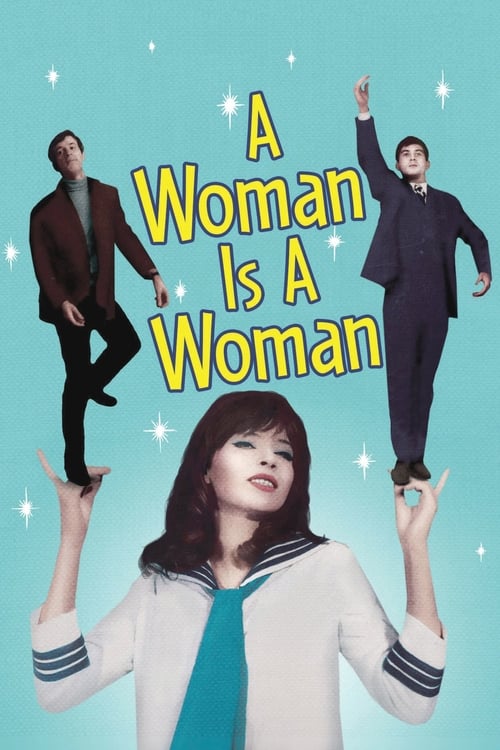
The cast is entirely white and set in a homogeneous environment. The story does not include any racial or ethnic diversity.
The cast is uniform, reflecting the specific socio-economic conditions of rural Cornwall. The story centers on a local conflict between white academic and working-class groups.
The cast is primarily white and Anglo-Saxon, reflecting the historical context of WWII without incorporating diverse ethnic identities.
The cast is predominantly white, reflecting a homogeneous social environment. There are no characters of color with significant narrative ability to act.
The cast is predominantly homogeneous, reflecting typical 1970s casting practices. The narrative lacks significant racial diversity or multi-layered depth.
The cast is demographically uniform. The professional setting is portrayed as predominantly Anglo-Saxon, reflecting the era's social norms.
The cast is predominantly white, set in a homogeneous urban environment. There are no characters of color with significant influence or ability to act.
The cast is predominantly made up of individuals from the same socioeconomic background, reflecting the upper-middle-class society of Milan. There is no significant racial or ethnic diversity.
The cast is primarily composed of white, upper-class actors, reflecting the demographics of mid-19th-century England. There is no indication of diverse ethnic backgrounds or color-blind casting.
The cast is predominantly white, reflecting the typical demographics of the time. Limited budget constraints likely contributed to the lack of diverse casting.
The film presents a highly homogeneous social environment. The cast reflects a traditional, white French socioeconomic context typical of the era's commercial cinema.
The film portrays a homogeneous, white, rural community with no visible racial or ethnic diversity among the characters.
The cast is uniformly white, reflecting the mid-century British boarding school setting. There is no evidence of ethnic diversity or color-blind casting.
The cast is predominantly white and working-class, reflecting the demographics of Newcastle in the 1970s. There is no indication of multicultural blending or diverse casting.
Set in a remote Swedish coastal environment, the film reflects the demographic homogeneity of its setting. The cast consists of a white, middle-class Swedish family.
The cast is uniform, reflecting the historical context of a Southern boarding school. There is no indication of racial or ethnic diversity in the main storyline.
The narrative focuses on appliances, so there are no depictions of race, ethnicity, or human social structures. The world is devoid of human social stratification.
The cast is made up of a homogeneous, white, working-class French group. The film does not include any non-white or non-Anglo-Saxon characters, reflecting its specific 1980s coastal French setting.
The cast consists of two white male intellectuals, with no characters representing different races or ethnicities.
The film is set in a predominantly white, working-class community with no significant racial or ethnic diversity among the cast.
The cast is predominantly white and Austrian, with no significant representation of non-white or diverse ethnic backgrounds to broaden the narrative scope.
The film is set in a predominantly white, middle-class urban environment in Paris. There is a noticeable lack of racial diversity among the cast.
The cast is almost entirely homogeneous, reflecting a white European demographic. The story focuses on German and British forces without any character depth that reflects multiple aspects of diversity.
The cast is predominantly white and aristocratic, reflecting the period's Gothic melodrama standards. There is no evidence of racial blending or non-Anglo-Saxon characters.
The cast is uniform and set in a bland, undifferentiated environment. There is no effort to include diverse racial or ethnic backgrounds.
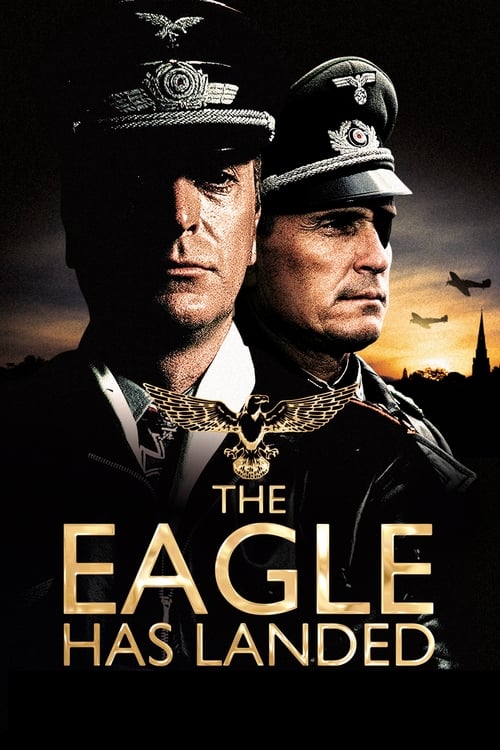
The cast is predominantly white, Anglo-Saxon, and of German descent. The film portrays a homogeneous view of the conflict without incorporating diverse ethnic perspectives.
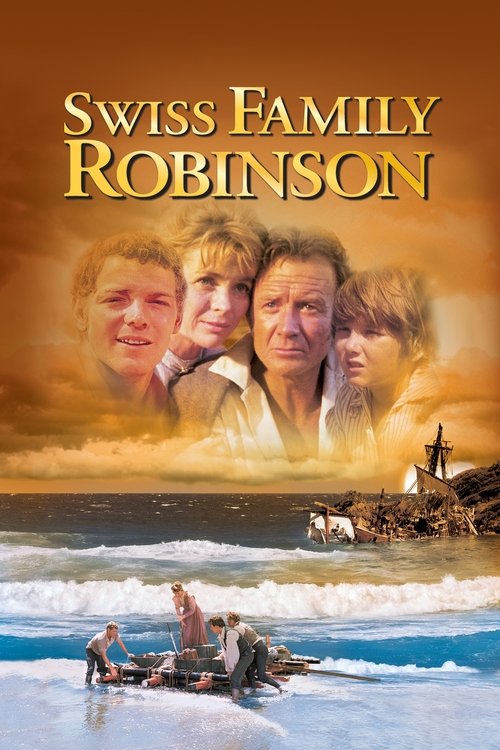
The cast consists solely of white actors. The film presents a tropical setting as an uninhabited wilderness, ignoring any indigenous presence.