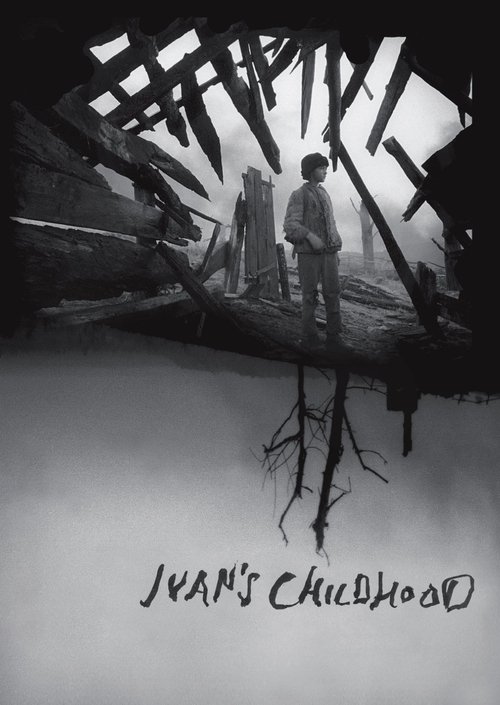
Ivan's Childhood
1962
No user ratings available yet
Representation score: 4.0 out of 10
Representation Score
Limited
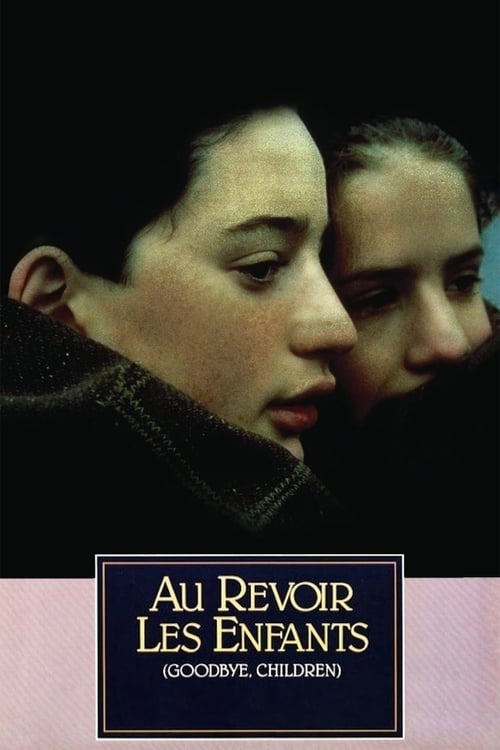
1987
PGDirector
Louis Malle
Runtime
105 minutes
Average Rating
No ratings yetNew Showbiz Analysis
Louis Malle’s autobiographical drama excels in its examination of ethnic persecution. By focusing on the vulnerability of a Jewish student, the film effectively challenges the moral authority of state and church institutions during the Vichy regime. However, the film remains constrained by its historical context and narrow social focus. It lacks LGBTQ+ representation and offers limited gender subversion, adhering to the male-centric hierarchies of a 1940s boarding school. Ultimately, the film’s strength lies in its ability to highlight the tension between institutional dogma and individual conscience, making it a powerful study of identity-based exclusion.
Category Breakdown
The film focuses on a strictly heterosexual and cisgender environment. There are no depictions of LGBTQ+ identities.
The story centers around a male-dominated boarding school. Female characters play important emotional and moral roles, though their influence is limited.
The film explores ethnic identity through the lens of the Holocaust, focusing on the persecution of a Jewish student within a French institution.
The narrative criticizes traditional Western institutions such as the Catholic Church and the Vichy government, showing their complicity in systemic oppression.
There are no prominent depictions of physical or neurodivergent disabilities used as central narrative elements in this film.
Present on Screen
Limited or Absent
Official Synopsis
Au revoir les enfants tells a heartbreaking story of friendship and devastating loss concerning two boys living in Nazi-occupied France. At a provincial Catholic boarding school, the precocious youths enjoy true camaraderie—until a secret is revealed. Based on events from writer-director Malle’s own childhood, the film is a subtle, precisely observed tale of courage, cowardice, and tragic awakening.
1962
1952
1974

1965
1985

1959
1974

2023
No reviews yet. Be the first to share your thoughts on this movie!
Use the rating form above to leave a star rating and optional review.