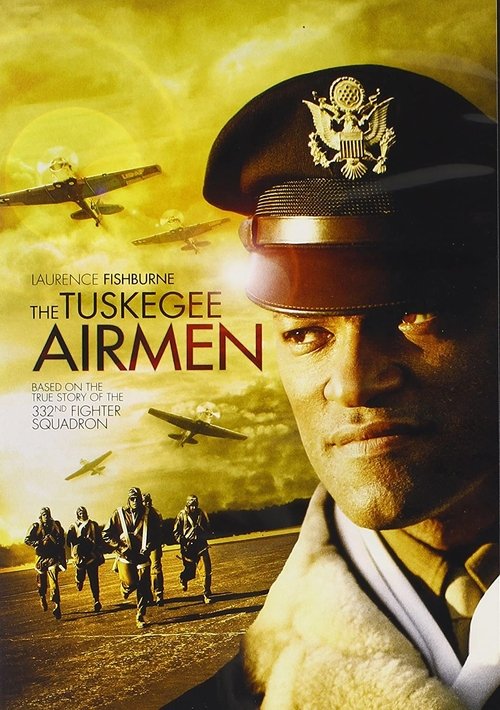
The Tuskegee Airmen
1995
No user ratings available yet
Representation score: 3.2 out of 10
Representation Score
Fair
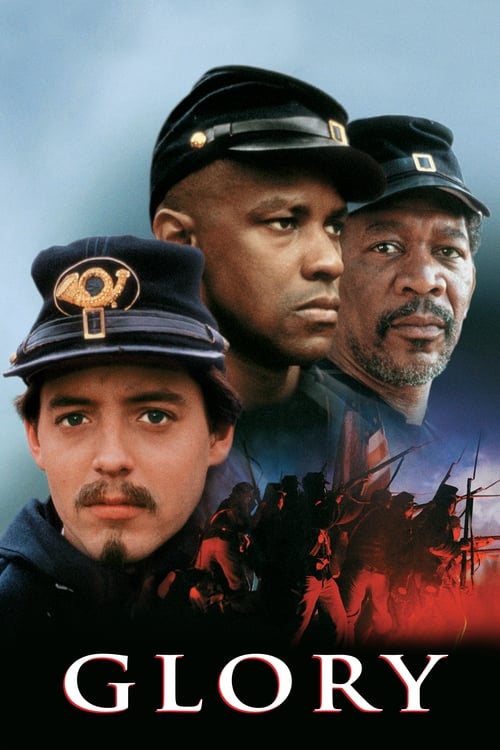
1989
RDirector
Edward Zwick
Runtime
122 minutes
Average Rating
No ratings yetNew Showbiz Analysis
Glory succeeds as a powerful cinematic intervention that shifts the Civil War narrative away from a monolithic white perspective. By centering the 54th Massachusetts Infantry Regiment, the film grants profound ability to act to Black characters, portraying them as complex individuals rather than mere victims. However, the film's impact is limited by its narrow focus on masculine combat. The narrative adheres to traditional gender hierarchies, leaving female characters with very little ability to act or presence outside of domestic roles. Ultimately, the film is a study of systemic friction. It effectively deconstructs the myth of a unified Union by showing the struggle for dignity against a corrupt and biased social order.
Category Breakdown
The film operates within a strictly straight-centered historical framework. There are no identifiable LGBTQ+ characters or narratives present.
The narrative focuses on masculine combat experiences and regiment camaraderie. Female characters are relegated to the domestic sphere or serve as peripheral emotional anchors.
The film disrupts white-centric clichés by centering an all-Black volunteer company. Characters possess significant psychological depth, ranging from the educated to the impoverished.
The story critiques 19th-century institutions by portraying the Union military as inherently oppressive. It highlights the paradox of Black men fighting for a government that denies them citizenship.
Disability is primarily depicted as a consequence of combat rather than a lens for identity. Injury serves the broader war drama rather than providing character's ability to drive the story.
Present on Screen
Limited or Absent
Official Synopsis
Robert Gould Shaw leads the US Civil War's first all-black volunteer company, fighting prejudices of both his own Union army and the Confederates.
1995
1915

2006
1950
1993
1990
2012
1964
No reviews yet. Be the first to share your thoughts on this movie!
Use the rating form above to leave a star rating and optional review.