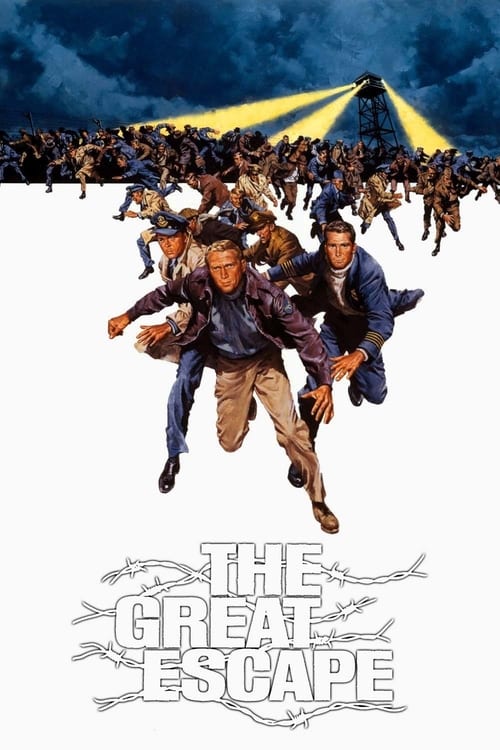
The Great Escape
1963
No user ratings available yet
Representation score: 1.7 out of 10
Representation Score
Minimal
1976
PGDirector
John Sturges
Runtime
135 minutes
Average Rating
No ratings yetNew Showbiz Analysis
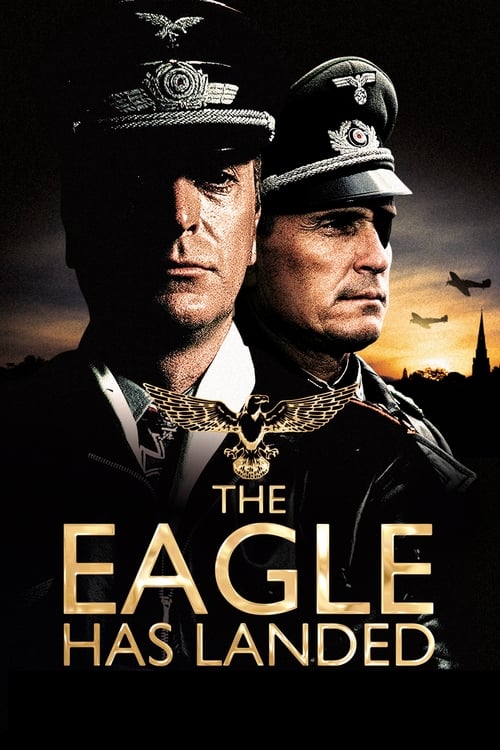
The Eagle Has Landed is a traditionalist wartime drama that reinforces mid-20th-century cinematic norms. Its narrative is built around a homogeneous, male-centric military operation that lacks intentionality regarding social diversity. The film adheres to established hierarchies, prioritizing masculine leadership and Western geopolitical perspectives. By focusing strictly on the ethnic and gendered compositions of the historical combatants, it avoids any subversion of traditional power dynamics. Ultimately, the production functions as a quintessential product of its era, emphasizing conventional storytelling clichés over diverse representation.
Category Breakdown
The film focuses on male camaraderie and traditional wartime social structures, offering no presence of non-straight or non-cisgender identities.
Male characters drive the plot through military strategy and espionage, while female characters remain peripheral figures in the village setting, lacking active roles in the main conflict.
The cast is almost entirely homogeneous, reflecting a white European demographic. The story focuses on German and British forces without any character depth that reflects multiple aspects of diversity.
The narrative emphasizes patriotism and the defense of Western institutions. It avoids critiques of religion or capitalism, portraying the struggle through conventional geopolitical lenses.
There is no discernible representation of physical or mental health disabilities. Characters are defined solely by the physical capabilities required for military service.
Present on Screen
Limited or Absent
Official Synopsis
When the Nazi high command learns in late 1943 that Winston Churchill will be spending time at a country estate in Norfolk, it hatches an audacious scheme to kidnap the prime minister and spirit him to Germany for enforced negotiations with Hitler.
1963
1955
1968
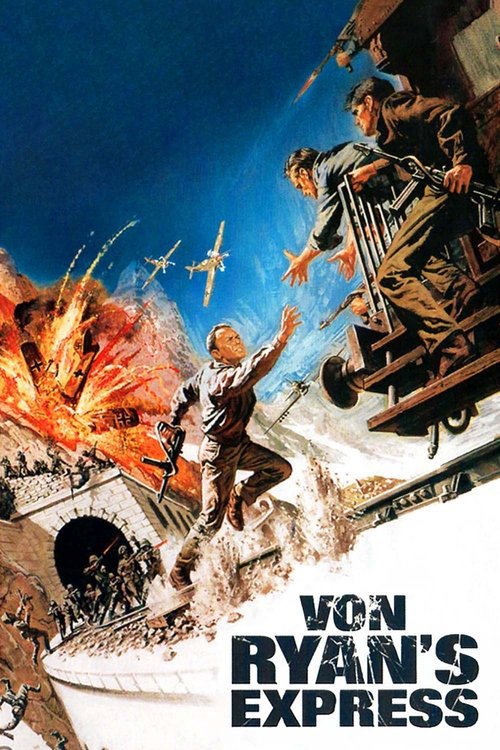
1965
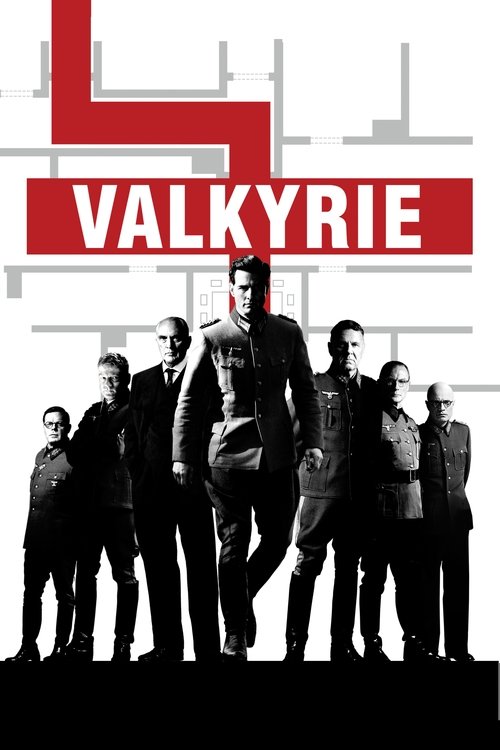
2008

1943
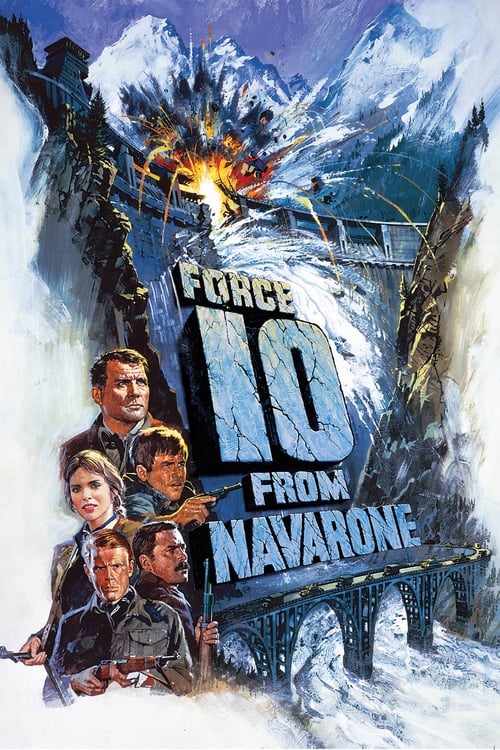
1978
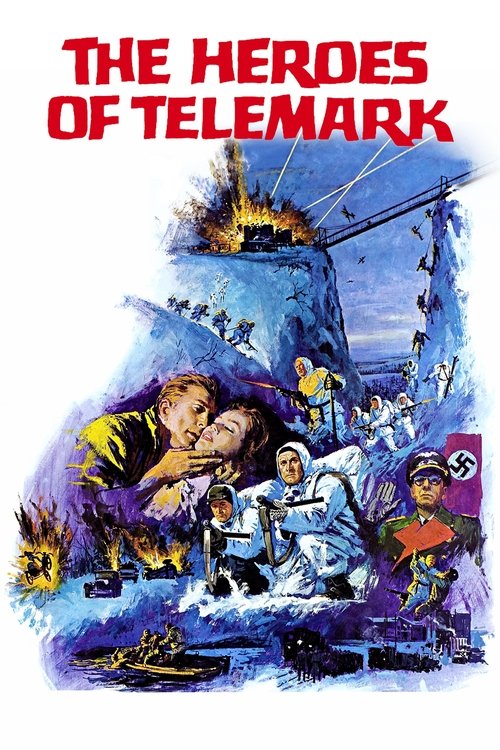
1965
No reviews yet. Be the first to share your thoughts on this movie!
Use the rating form above to leave a star rating and optional review.